Who is Durga and When to Do This Puja
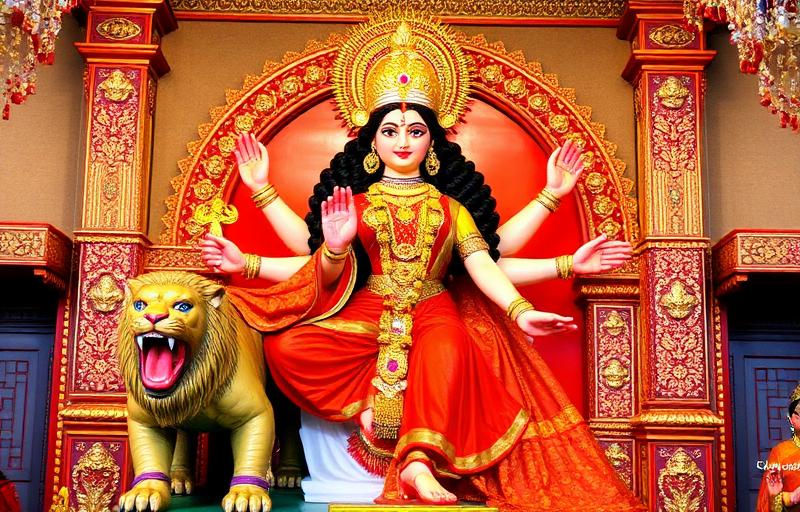
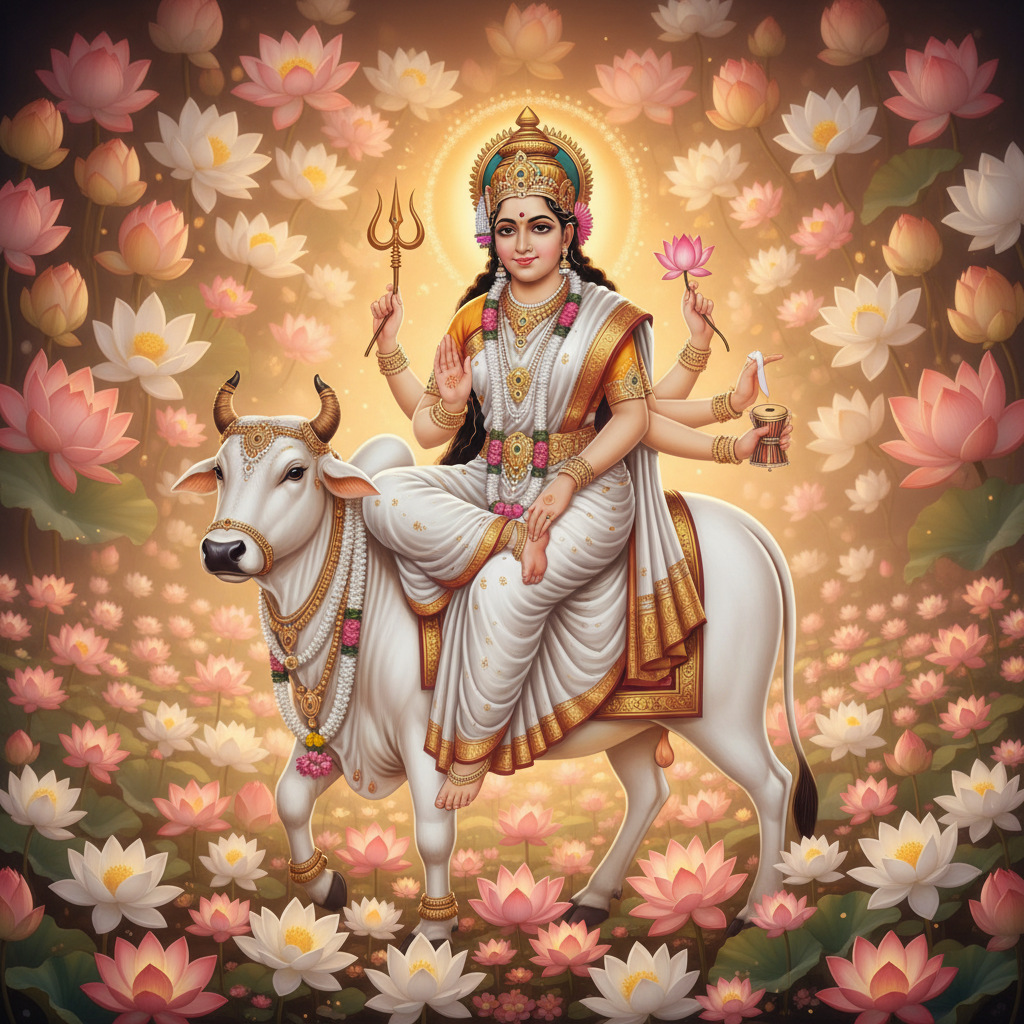
Durga is the Divine Mother in her powerful, protective form, worshipped as the one who destroys evil and restores balance and dharma. She is invoked most widely during Navratri, when many households perform a nine-day kalash sthapana (installation of a sacred pot) alongside her worship, but countless devotees also keep a photo, calendar image or small idol of Durga at home and offer worship to her through the rest of the year as well.
This puja can be as simple as a few minutes of daily devotion before her image, or a more elaborate nine-day observance during Navratri. The core method stays the same either way, only the duration and elaborateness change according to the occasion and your own time and capacity.
Complete Samagri List for Durga Puja
Keep these items ready before you begin:
- Durga idol or photo, and a low wooden chowki draped with a red cloth
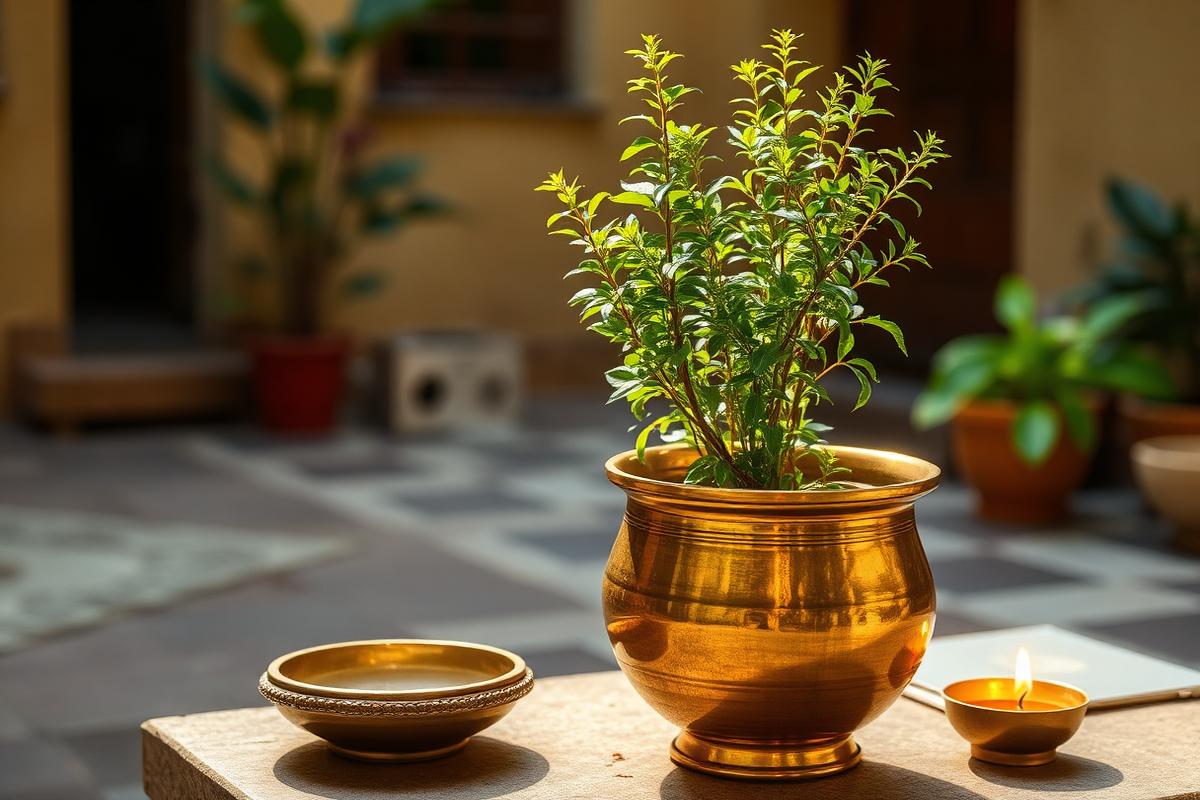
- Gangajal, and a kalash (copper or brass pot) with clean water, mango leaves and a coconut on top, if you are doing a sthapana
- Roli or kumkum, chandan (sandalwood paste), and akshat (whole, unbroken rice)
- A red chunri or red cloth as an offering to the goddess
- Red flowers, hibiscus (gudhal) if available, and a flower garland
- Agarbatti (incense sticks) and dhoop
- A small deepak (lamp) with ghee or oil and cotton wicks, plus a matchbox
- Naivedya: seasonal fruits, kheer, halwa or coconut barfi
- Panchamrit ingredients: milk, curd, honey, ghee and sugar
- Betel leaves (paan), supari (areca nut) and a few coins
- Camphor (kapoor) and a small bell (ghanti) for aarti
- A copy of the Durga Chalisa or Durga Saptashati, if you wish to recite from it
You do not need every single item on this list. A photo, some flowers, a lamp and a sincere heart are enough to begin.
Step-by-Step Durga Puja Vidhi at Home
Follow these steps in order:
1. Clean and bathe - tidy the puja area and bathe before you begin. 2. Sankalp - sit facing east or north, take a little water in your right hand, and silently state your intention for the puja. 3. Aavahan - with folded hands, invite Durga into the idol, photo or kalash with a simple prayer. 4. Snan - if you have a metal idol, bathe it gently with water and then panchamrit, followed by clean water again; for a photo, just sprinkle a few drops of Gangajal before it. 5. Vastra - offer the red chunri or cloth. 6. Chandan-tilak - apply kumkum and chandan. 7. Pushpa - offer flowers and the garland. 8. Dhoop-deep - light the incense and lamp, offering their fragrance and light to the goddess. 9. Naivedya - offer the bhog, then sprinkle a little water around the plate as is customary. 10. Mantra jaap - recite "Om Dum Durgayei Namah" or read the Durga Chalisa. 11. Aarti - perform aarti with a lit lamp or camphor, ringing the bell gently. 12. Closing - do a pradakshina (circumambulation) if space allows, ask forgiveness for any mistake made during the puja, and distribute the prasad. If you installed a kalash or idol for Navratri, immerse it respectfully on the final day; for a daily home puja, simply put the items away with care.
Best Time and Rules to Follow
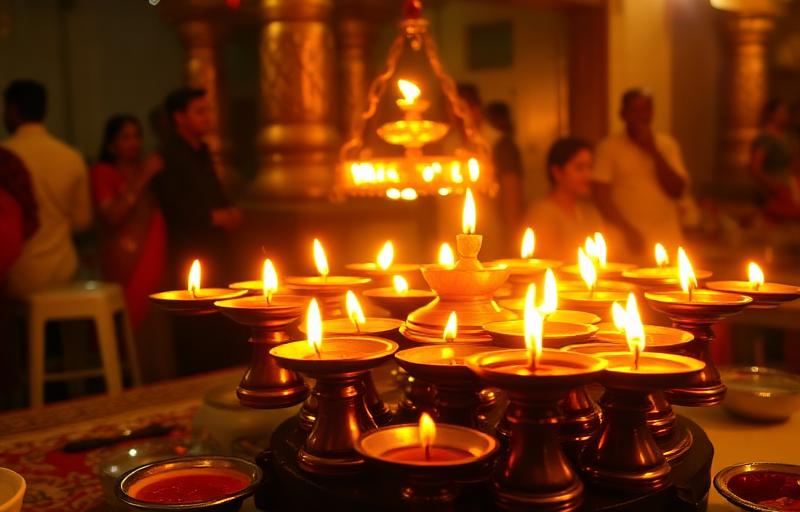
Early morning after a bath, or at dusk, are both considered good times for Durga puja. Navratri is regarded as the most significant period for her worship, and the Ashtami and Navami tithis within it hold special importance. Many households also set aside Tuesdays or Fridays through the year for Devi worship.
Sit facing east or north if possible. If you commit to a multi-day observance such as Navratri, try to keep the same approximate time each day. None of this is rigid; a sincere effort at a time that genuinely works for you matters more than matching an ideal down to the minute.
Common Mistakes to Avoid
- Do not offer wilted, broken or bruised flowers.
- Never leave a lit diya unattended near curtains or cloth.
- Avoid beginning the puja without bathing first.
- Do not rush through the mantra jaap; a mala is helpful but not mandatory, and sincerity matters more than counting.
- Keep your phone silent and away during the puja to stay focused.
- If you have lit an akhand jyoti for Navratri, keep a spare supply of oil or ghee ready so it does not go out.
- A short five to ten minute puja on a busy day is completely fine; consistency matters more than length.
A Simple Devotional Note
Durga puja at home is not about grandeur or perfection. It is about showing up, again and again, before the Divine Mother with a clean heart and a steady mind. Even a brief, heartfelt offering before her image can carry the same devotion as an elaborate ritual. Let her strength remind you of your own, and let this small daily practice become a quiet source of courage in your life.
What People Ask Most
Can Durga puja be done at home without an idol?+
Yes. A photo or picture of Durga placed respectfully on a clean chowki is enough for home worship. What matters most is devotion and regularity, not whether the form is an idol or an image.
What is the simplest way to worship Durga daily?+
A short panchopachara (five-step) worship works well daily: light a lamp and incense, offer a flower, apply tilak, offer a little water or naivedya, and do a brief aarti while reciting her name or a simple mantra.
Is Navratri necessary to worship Durga, or can it be done any time?+
Navratri is the most significant occasion for her worship, but it is not the only one. Durga can be worshipped at home on any day of the year; Navratri simply offers an especially auspicious, focused period for a more elaborate observance.
About the author
Dr. Suresh Iyer · Vastu Shastra & Jyotish, 18+ years
Dr. Suresh has practiced traditional Vastu and basic Vedic Jyotish for over 18 years across South India. He contributes the Vastu, direction, and home-puja layout guides on Vandnaa.
Meet the Vandnaa editorial team →