Who is Lakshmi and When to Do This Puja
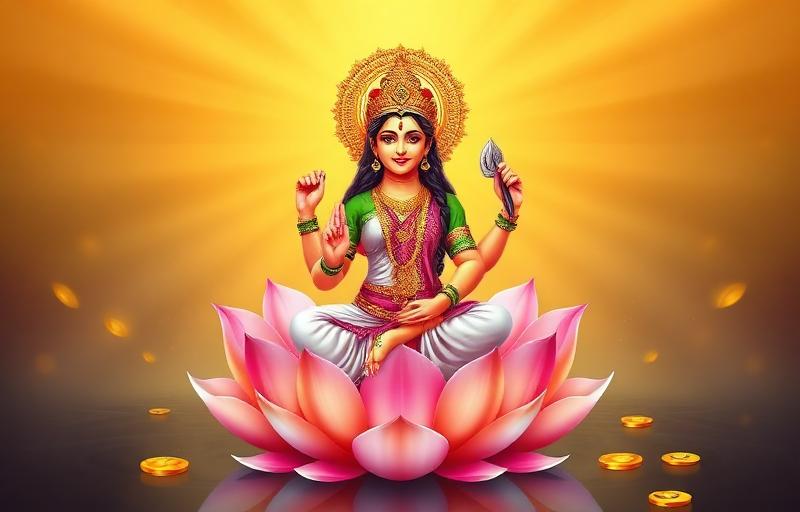
Lakshmi is the goddess of wealth, prosperity, peace and well-being, worshipped in almost every Hindu household as the one who brings abundance and removes want. She is believed to reside in homes that are clean, peaceful and welcoming, which is why her puja is closely tied to the upkeep of the home itself, and not only to the ritual before her image.
Many households worship Lakshmi daily at dusk, when a lamp is lit at the main entrance and before her image. She is also worshipped with special elaborateness on Fridays and during Diwali, but the same simple method applies whether it is a quick daily puja or a fuller weekly one.
Complete Samagri List for Lakshmi Puja
Keep these items ready before you begin:
- Lakshmi idol or photo, often shown together with Ganesh, and a chowki draped with a red or pink cloth
- Gangajal, and a kalash of water if you are doing a fuller puja
- Roli/kumkum and akshat (whole rice)
- A lotus flower if available, or any fresh fragrant flowers, and a garland
- A red or pink cloth as vastra
- Agarbatti and dhoop
- A deepak with ghee, and a matchbox; many households also keep a second lamp lit at the main door
- Naivedya: kheer, coconut ladoo, or seasonal sweets
- Panchamrit ingredients: milk, curd, honey, ghee and sugar
- Betel leaves, supari and a few coins or a small silver coin
- Camphor and a small bell for aarti
- A copy of the Lakshmi Chalisa or Sri Suktam, if you wish to recite it
A lamp, a flower and a clean, tidy space around it already carry most of the spirit of this puja.
Step-by-Step Lakshmi Puja Vidhi at Home
Follow these steps in order:
1. Clean and bathe - tidy the whole home, especially the entrance, and bathe before beginning; Lakshmi is said to enter homes that are clean and well lit. 2. Sankalp - sit facing east or north, take a little water in hand, and silently state your intention. 3. Aavahan - with folded hands, invite Lakshmi into the idol or photo. 4. Snan - bathe a metal idol with water and then panchamrit, followed by clean water; for a photo, sprinkle a few drops of Gangajal. 5. Vastra - offer the red or pink cloth. 6. Chandan-tilak - apply kumkum and chandan. 7. Pushpa - offer the lotus or flowers and the garland. 8. Dhoop-deep - light incense and the lamp, both at the altar and, if it is your custom, at the main entrance. 9. Naivedya - offer the bhog and a little water around the plate. 10. Mantra jaap - recite "Om Shreem Mahalakshmiyei Namah" or read the Lakshmi Chalisa. 11. Aarti - perform aarti with a lit lamp or camphor, ringing the bell gently. 12. Closing - offer pranam, distribute the prasad, and if it is your family's custom, let the entrance lamp burn out naturally rather than blowing it out.
Best Time and Rules to Follow

Dusk (sandhya kaal) is considered the best time for Lakshmi puja, since she is said to visit homes that are clean and lit at that hour. Fridays are widely observed for a fuller weekly puja, and Diwali night is her most significant annual worship.
Face east or north if possible, and try to keep the entrance area lit and tidy through the evening, not only during the puja itself.
Common Mistakes to Avoid
- Do not keep the main entrance or puja area dark, dirty or cluttered in the evening.
- Traditionally, very dark or black clothing and décor are avoided during Lakshmi puja in favour of bright colours.
- Check the lamp's placement so a draft does not blow it out right after lighting.
- Do not offer broken, stale or wilted items.
- Avoid arguments or a tense atmosphere around the time of the evening puja.
- Keeping your cash box, locker or workspace tidy is considered an extension of her worship, especially around Diwali.
A Simple Devotional Note
Lakshmi's blessing is said to follow not just a ritual but how a home is kept and how it feels: calm, clean and welcoming. A short daily lamp lit at dusk, and a home kept tidy with gratitude, is itself a quiet form of her worship, well beyond the few minutes spent before her image.
Frequently Asked Questions
What is the best day to do Lakshmi puja at home?+
Friday is widely considered the best day for a fuller weekly Lakshmi puja, though many households also light a lamp for her daily at dusk. Diwali night is her most significant annual worship.
Why is cleanliness so important in Lakshmi puja?+
Lakshmi is believed to reside in homes that are clean, peaceful and well lit. Keeping the home tidy, especially the entrance, is considered as much a part of her worship as the ritual before her image.
Can Lakshmi puja be done without a priest?+
Yes. A simple home puja with a lamp, flowers, naivedya and either a short mantra or the Lakshmi Chalisa is complete on its own and needs no priest for regular worship.
About the author
Dr. Suresh Iyer · Vastu Shastra & Jyotish, 18+ years
Dr. Suresh has practiced traditional Vastu and basic Vedic Jyotish for over 18 years across South India. He contributes the Vastu, direction, and home-puja layout guides on Vandnaa.
Meet the Vandnaa editorial team →