What Are the Puranas?
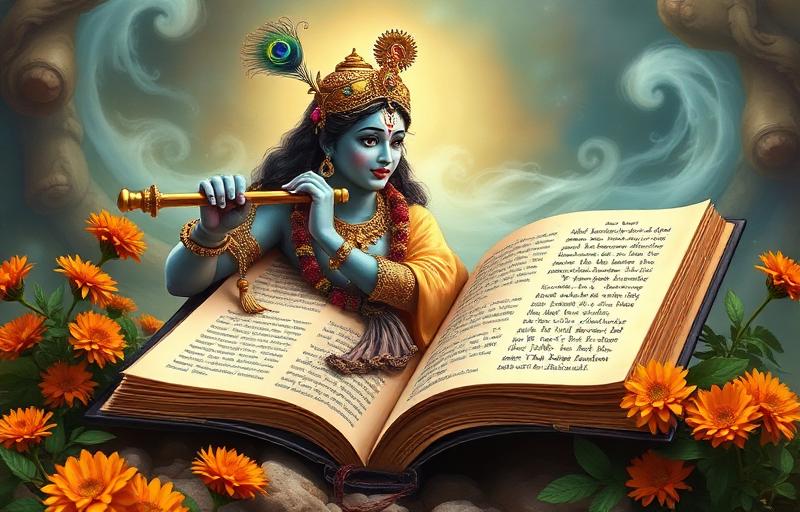
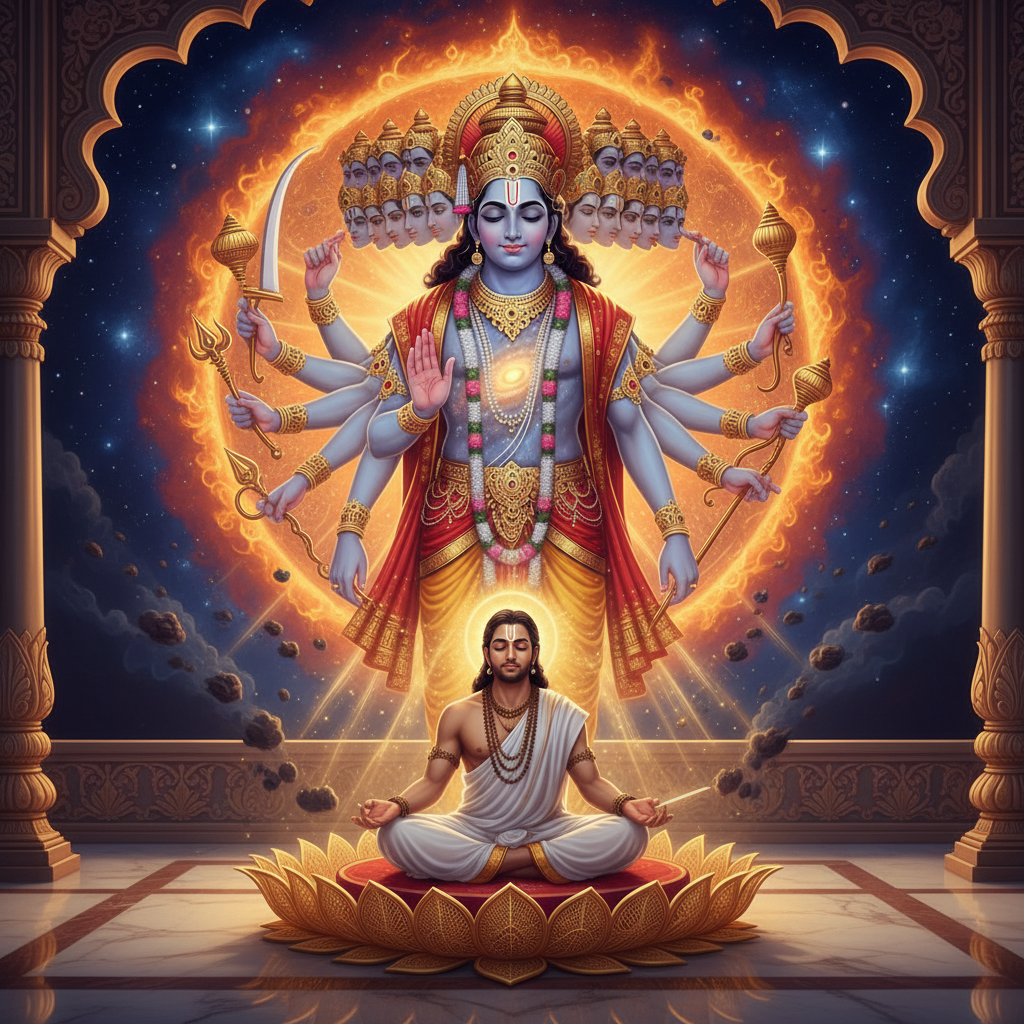
The word Purana means 'ancient' or 'of old times'. The Puranas are a vast body of sacred texts that carry the heart of Hindu tradition in the form of stories - of creation, of the gods and goddesses, of kings and sages, of dharma and devotion.
Unlike the Vedas, which are highly formal, the Puranas teach through narrative, hymn and example, so that everyone - not only scholars - can taste deep truths. Tradition counts 18 Mahapuranas (great Puranas) and 18 Upapuranas (secondary Puranas). They are attributed to the sage Veda Vyasa, the same compiler who arranged the Vedas and composed the Mahabharata.
A Purana is classically said to treat five subjects (pancha lakshana): creation, secondary creation, the lineages of gods and sages, the cosmic ages (manvantaras), and the histories of dynasties.
The 18 Mahapuranas - Complete List
Here are the eighteen Mahapuranas with a one-line description of each:
- Brahma Purana - opens with creation by Brahma; rich in tirtha (pilgrimage) accounts.
- Padma Purana - vast text named for the lotus from Vishnu's navel; covers cosmology, dharma and bhakti.
- Vishnu Purana - a model Purana centred on Lord Vishnu, his avatars and devotion.
- Shiva Purana - the glory, lingas, mantras and lilas of Lord Shiva.
- Bhagavata Purana - the most beloved, full of Krishna lila and pure bhakti.
- Narada Purana - teachings of sage Narada on devotion, ritual and the other Puranas.
- Markandeya Purana - contains the Devi Mahatmya (Durga Saptashati), the great praise of the Goddess.
- Agni Purana - an encyclopaedia of ritual, iconography, grammar and many sciences.
- Bhavishya Purana - 'of the future'; deals with prophecies, vows and the sun.
- Brahmavaivarta Purana - exalts Krishna and Radha and the divine feminine.
- Linga Purana - the symbolism and worship of the Shiva linga.
- Varaha Purana - centred on Vishnu's boar avatar and Vaishnava worship.
- Skanda Purana - the largest Purana, devoted to Kartikeya (Skanda) and many holy places.
- Vamana Purana - the dwarf avatar of Vishnu and sacred geography.
- Kurma Purana - the tortoise avatar; blends Shaiva and Vaishnava teaching.
- Matsya Purana - the fish avatar and the great deluge (pralaya).
- Garuda Purana - famous for teachings on death, the afterlife and the soul's journey.
- Brahmanda Purana - 'the cosmic egg'; cosmology and includes the Lalita Sahasranama.
How the Puranas Are Grouped
Tradition often groups the 18 Mahapuranas into three sets of six, each linked with one deity of the Trimurti and one of the three gunas:
- Sattvic Puranas (Vishnu, sattva guna): Vishnu, Bhagavata, Narada, Garuda, Padma and Varaha - these emphasise devotion, purity and liberation.
- Rajasic Puranas (Brahma, rajas guna): Brahma, Brahmanda, Brahmavaivarta, Markandeya, Bhavishya and Vamana - rich in creation, lineages and worldly knowledge.
- Tamasic Puranas (Shiva, tamas guna): Shiva, Linga, Skanda, Agni, Matsya and Kurma - centred on Shaiva worship and dissolution.
This grouping is a traditional guide rather than a strict rule, since most Puranas honour many deities. What it shows is the wonderful balance of the whole collection - together the Puranas hold the entire vision of creation, sustenance and transformation.
Where to Begin & Why They Matter
You do not need to read all eighteen to benefit. Most devotees begin with the one closest to their heart:
- For Krishna and pure bhakti: the Bhagavata Purana, especially the tenth canto of Krishna lila.
- For the Goddess: the Markandeya Purana's Devi Mahatmya (Durga Saptashati).
- For Lord Shiva: the Shiva Purana or Linga Purana.
- For understanding death and the soul: the Garuda Purana.
The Puranas matter because they turned the deep truths of the Vedas into living stories that any person could remember, sing and pass on. They preserved our festivals, vows, pilgrimage and the very faces of our beloved gods. To read even one Purana with devotion is to drink from the oldest wellspring of bhakti, told the way grandparents have always told it - simply, warmly and from the heart.
What People Ask Most
How many Mahapuranas are there?+
There are 18 Mahapuranas (great Puranas) and, by tradition, 18 Upapuranas (secondary Puranas). The 18 Mahapuranas are attributed to sage Veda Vyasa.
Which Purana is the most popular?+
The Bhagavata Purana (Shrimad Bhagavatam) is the most widely loved, especially for its tenth canto on Krishna lila and its message of pure devotion. The Markandeya Purana's Devi Mahatmya is also very widely recited.
Who wrote the Puranas?+
Tradition attributes the compilation of the 18 Mahapuranas to sage Veda Vyasa, the same rishi who arranged the Vedas and composed the Mahabharata. They were preserved and recited orally for ages.
What are the five subjects of a Purana?+
Classically a Purana treats five subjects (pancha lakshana): creation (sarga), secondary creation (pratisarga), the lineages of gods and sages (vamsha), the cosmic ages (manvantara), and the histories of dynasties (vamshanucharita).
About the author
Anjali Mehta · Editor, M.A. Religious Studies
Anjali is the managing editor for Vandnaa and oversees the festival and vrat coverage. She holds an M.A. in Religious Studies and reviews every published article for accuracy, accessibility, and tradition-fidelity.
Meet the Vandnaa editorial team →