What Is Ekadashi?
Ekadashi is the eleventh lunar day (tithi), occurring twice in every lunar month, once in the waxing phase and once in the waning phase. Of all the days observed in the Hindu calendar, Ekadashi is considered among the most sacred to Lord Vishnu, and observing a fast on this day is one of the most widely practiced vratas across India.
Each of the twenty-four Ekadashis in a year carries its own name and its own associated katha, though the underlying devotion behind all of them remains the same, a day set aside especially for remembering Vishnu.
The Katha Behind Ekadashi
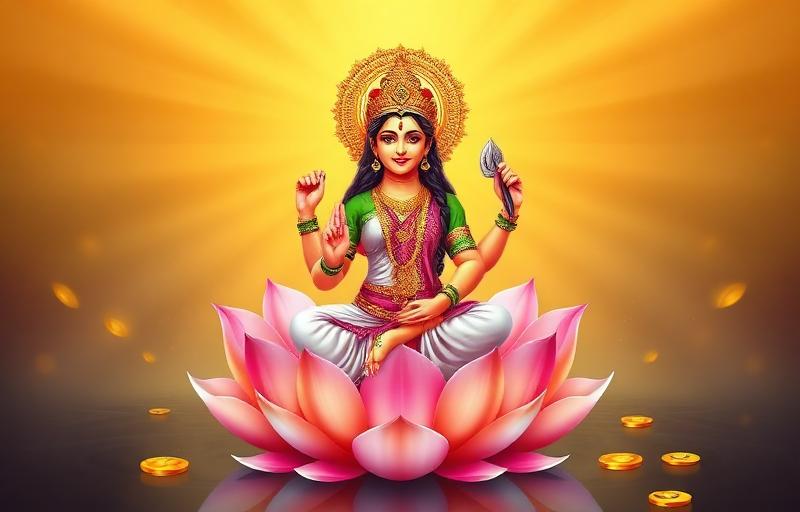
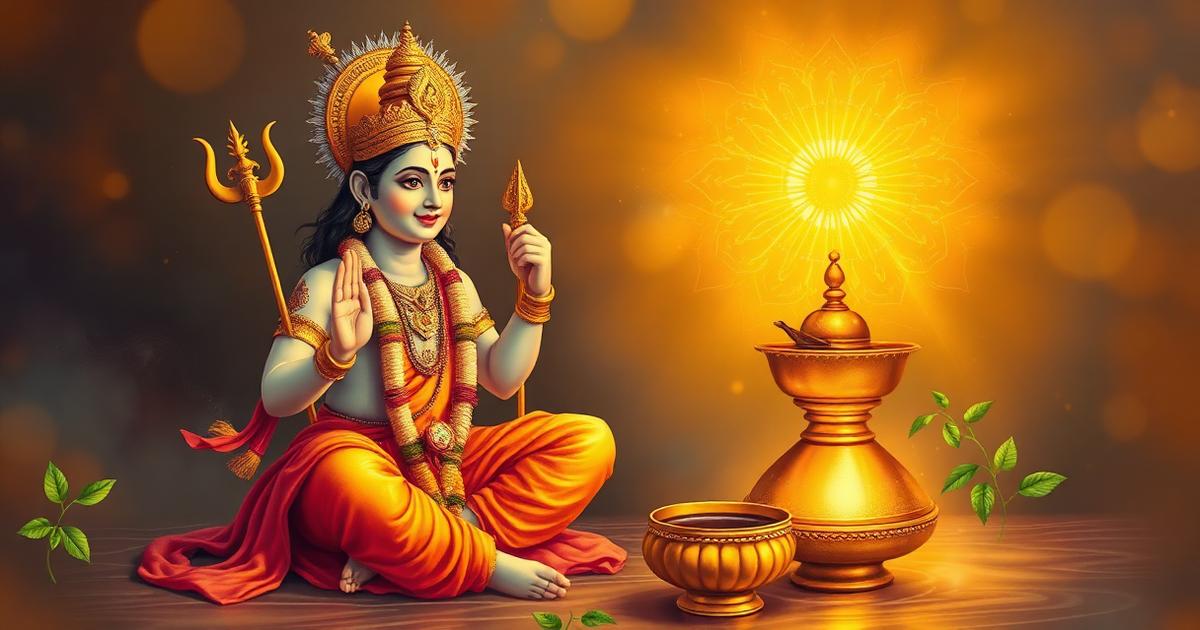
According to Puranic tradition, Ekadashi is personified as a devi who arose from Lord Vishnu's own being to help him defeat a powerful demon that even his weapons could not overcome. Pleased by her strength and devotion, Vishnu is said to have blessed her, declaring that her tithi would be regarded as most sacred, a day capable of purifying anyone who observes it with faith.
This story is one reason Ekadashi is spoken of not merely as a date on the calendar, but as a living presence, a devi in her own right who devotees honour through their fast and prayer.
The Significance of the Fast
Fasting on Ekadashi is understood in tradition as a way to lighten the body and calm the mind, creating space for prayer, reflection and remembrance of Vishnu that daily routine often crowds out. It is seen less as a rule to be endured and more as a gift a devotee gives themselves, one day set apart from ordinary concerns.
Many devotees also observe jagran, staying awake through the night in prayer or devotional singing, believing that this vigilance mirrors the alertness Ekadashi Devi herself showed in her devotion.
How Devotees Observe the Vrat

Practices vary by family and region, some devotees keep a complete fast, taking only water, while others avoid grains and beans and eat fruits, milk or specific permitted foods. Common to nearly all observances is chanting Vishnu's names, reading the Vishnu Sahasranama or listening to the Ekadashi katha, and breaking the fast the following day at the proper time, known as parana.
Those unable to keep a strict fast, whether due to health or age, are traditionally encouraged to still observe the day through prayer and simple, restrained eating, since sincerity of devotion matters more than the severity of the fast itself.
Benefits and the Takeaway
As per tradition, devotees believe that observing Ekadashi with sincerity brings discipline, detachment from over-indulgence, and steady progress on the path toward moksha, alongside the immediate benefit of a calmer, more focused mind.
The deeper takeaway of Ekadashi is the practice of setting aside regular moments, however small, purely for the divine. Worship is an act of faith and love, not a transaction, and a fast kept with a full heart is understood to matter far more than one kept only out of habit.
What People Ask Most
Why is Ekadashi considered especially sacred to Vishnu?+
Puranic tradition personifies Ekadashi as a devi who arose from Vishnu's own being to defeat a powerful demon, after which Vishnu blessed her tithi as the most sacred day for devotion to him.
What is allowed to eat on an Ekadashi fast?+
Practices vary by family, some keep a complete fast with only water, while others eat fruits, milk or specific permitted foods while avoiding grains and beans, following their own family or regional tradition.
What is parana in relation to Ekadashi?+
Parana is the breaking of the Ekadashi fast on the following day (Dwadashi), traditionally done within a specific window of time as a way of completing the vrat properly.
About the author
Pandit Mahesh Trivedi · Festival Traditions & Panchang
Pandit Mahesh leads the festival-date and Panchang content on Vandnaa. He cross-references multiple regional panchangs (Drik, Vaishnava, Bengali, Marathi) for every festival date published on the site.
Meet the Vandnaa editorial team →