What Is the Ekadashi Vrat?
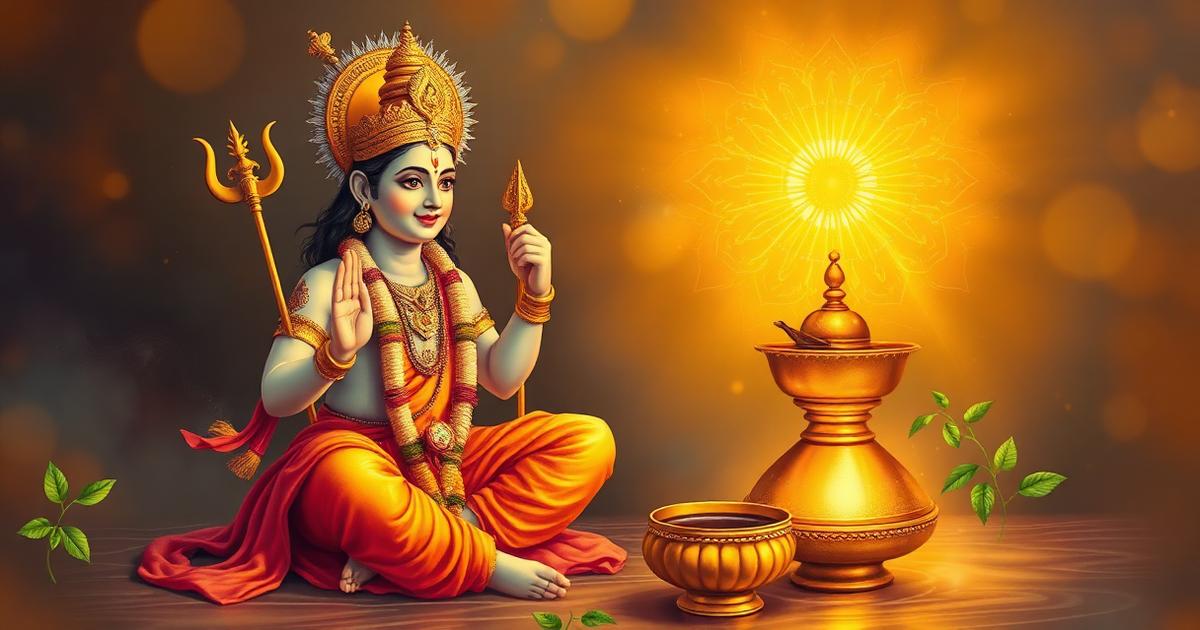
Ekadashi falls on the eleventh tithi of each lunar fortnight, occurring twice a month and roughly 24 times a year, and is dedicated to Lord Vishnu. Each named Ekadashi, from Nirjala to Devshayani, carries its own story and specific emphasis, but they all share a common core of vidhi and rules that most devotees follow.
This general vidhi is a useful starting point. For the exact date and any special rule of a particular Ekadashi, it is best to also check that month's specific guide or the panchang.
Samagri for Ekadashi Puja
- An image or idol of Lord Vishnu, or the relevant form such as Krishna
- Tulsi leaves, considered essential in Vishnu puja
- Yellow flowers and yellow cloth, if available
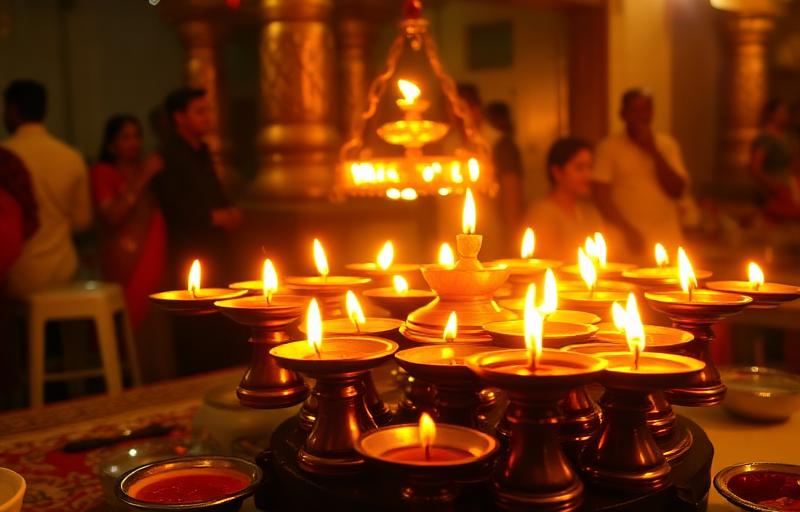
- A diya, incense and akshat
- Panchamrit and fruits for prasad
- Falahar items for the day, such as fruits, sabudana, kuttu flour or milk products, depending on family tradition
Grains and certain vegetables are typically kept out of both the offering and the devotee's own meals on this day.
Step-by-Step Vidhi Across the Three Days
1. Dashami evening: Eat a light, simple meal the evening before, avoiding heavy food, as a way of preparing the body and mind. 2. Ekadashi morning: Bathe early and take a sankalp, resolving to observe the fast with devotion to Vishnu. 3. Puja: Worship Vishnu with tulsi leaves, yellow flowers, a diya and incense, offering panchamrit if possible. 4. The day itself: Spend the day in prayer, bhajan or reading scripture such as the Vishnu Sahasranama, avoiding grains and, in stricter observance, sleeping during the day. 5. Night vigil: Some devotees keep a jagran, staying awake in prayer through the night, though this is optional and depends on health and family custom. 6. Dwadashi parana: Break the fast the next day within the prescribed parana window, after worship, ideally after feeding someone in need.
The vidhi can be adapted sensibly for health, age or personal circumstance; the spirit of devotion matters more than rigid perfection.
Best Time and Rules to Keep in Mind
The exact Ekadashi tithi timing and the parana window shift slightly each month, so checking a panchang or a specific Ekadashi's date is important to fast and break the fast correctly. As a general rule, grains, certain vegetables like onion and garlic, and non-vegetarian food or alcohol are avoided by observant devotees.
Those with health conditions, pregnant women, the elderly or children are traditionally encouraged to modify the intensity of fasting, perhaps eating fruits or one simple meal, rather than a strict waterless fast, in consultation with family custom.
Common Mistakes to Avoid
- Missing the parana window and breaking the fast either too early or too late
- Eating rice or grains inadvertently, without checking ingredients
- Observing the fast with irritation or complaint rather than devotion
- Skipping tulsi in the Vishnu puja, considered an important part of the offering
- Pushing the body too hard despite health conditions instead of adapting the vrat sensibly
The purpose of Ekadashi is disciplined devotion, not hardship for its own sake.
The Takeaway
The core of every Ekadashi vrat is the same: a disciplined day turned toward Vishnu, marked by simplicity, prayer and self-restraint. The specific story and additional rules of each named Ekadashi add their own flavour, but this general vidhi is the thread that connects all 24 through the year.
What People Ask Most
How many Ekadashis are there in a year?+
There are usually 24 Ekadashis in a year, two in each lunar month, with an additional two falling in an Adhik Maas (leap month) year.
What is parana and when should it be done?+
Parana is the act of breaking the Ekadashi fast on Dwadashi, the following day, within a specific time window after sunrise. This window changes slightly each month, so it is best checked against a panchang or a specific Ekadashi's guide.
Can grains be eaten on Ekadashi?+
No, grains are traditionally avoided on Ekadashi. Devotees typically eat falahar, fruit-based or specific permitted foods depending on family custom, and resume normal meals after the Dwadashi parana.
About the author
Pandit Mahesh Trivedi · Festival Traditions & Panchang
Pandit Mahesh leads the festival-date and Panchang content on Vandnaa. He cross-references multiple regional panchangs (Drik, Vaishnava, Bengali, Marathi) for every festival date published on the site.
Meet the Vandnaa editorial team →