Why Flowers Matter in Puja
Offering flowers, or pushpa, is one of the sixteen traditional services (shodashopachara) given to a deity. Flowers symbolise purity, beauty, surrender and the blossoming of devotion in the heart. Their fragrance and freshness please the deity and uplift the worshipper. Each variety carries its own energy, which is why scriptures and tradition link specific flowers to specific gods and goddesses.
Lotus for Lakshmi and Saraswati
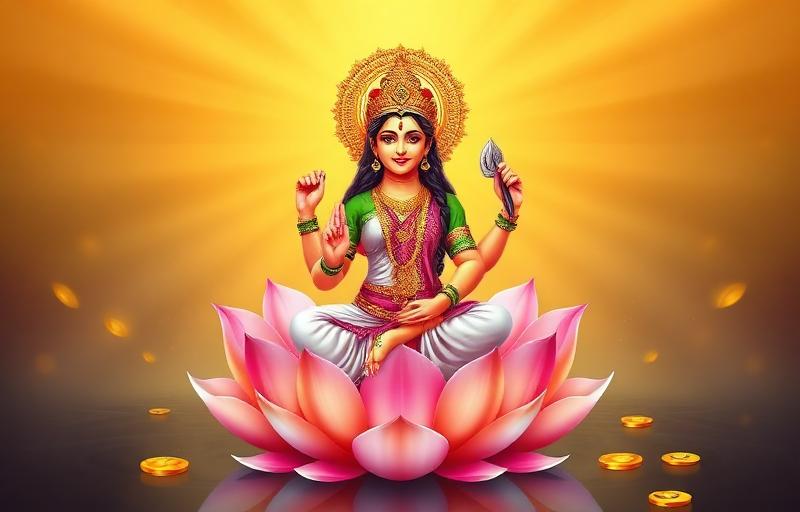
The *lotus (kamal) is the most sacred flower in Hindu worship and the seat of both Lakshmi and Saraswati*. The lotus, which rises pure and unstained from muddy water, symbolises detachment, purity and divine beauty. Offering a fresh lotus to Goddess Lakshmi is believed to invite prosperity, while a white lotus or white flowers please Saraswati, the goddess of knowledge.
Red Hibiscus for Durga, Kali and Ganesha
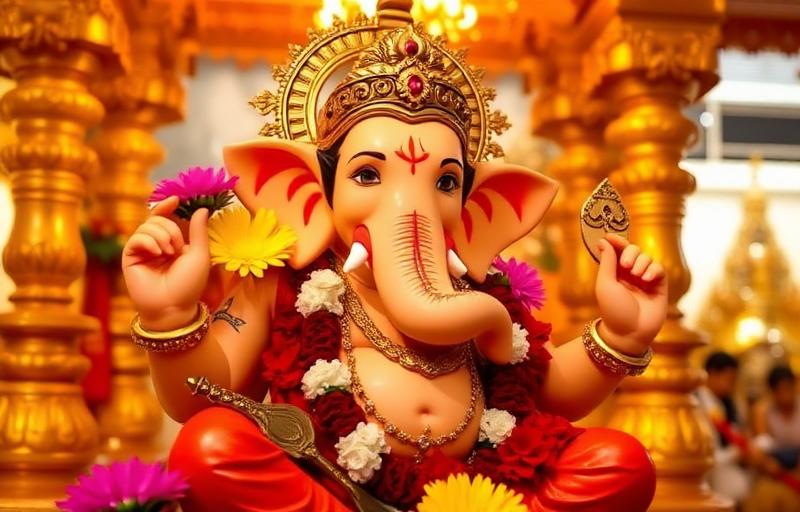
The *red hibiscus (japa) is especially dear to Maa Kali and Maa Durga, whose fierce, protective energy is invoked by its deep red colour. Lord Ganesha is offered red flowers and red hibiscus as well, along with durva* grass which he loves above all. Marigold, red roses and other red blooms are also welcome offerings to the Goddess, suiting her colour of shakti.
White for Shiva, Tulsi for Vishnu and Krishna
Lord Shiva is offered white flowers such as datura, white lotus and aak, along with bilva (bel) leaves, but never ketaki (kewra), which by legend he refused to accept. Lord Vishnu and Krishna are most pleased by tulsi (holy basil) leaves, considered essential to their worship, along with lotus, parijata and yellow flowers. Marigold (genda) is widely accepted by almost all deities and is a safe, auspicious choice.
Rules for Offering Flowers
1. Offer only fresh, clean and fragrant flowers; never wilted, faded or insect-eaten ones. 2. Do not offer flowers that have fallen on the ground or been smelled by you first. 3. Pluck flowers with care in the morning, ideally not at night, and never break a whole branch. 4. Offer with the flower facing the deity and the stem toward yourself, using the right hand. 5. Avoid offering flowers washed in dirty water or kept overnight unless still fresh. 6. Tulsi should not be plucked on Ekadashi, Sundays or after sunset.
Do's and Don'ts
Do: match the flower to the deity, offer fresh blooms with devotion, and use marigold as a safe choice when unsure. Don't: offer ketaki to Shiva, tulsi to Ganesha (he does not accept it except with special exceptions), wilted or fallen flowers to any deity, or flowers with a strong unpleasant smell. When in doubt, a clean, fresh flower offered with love is always accepted.
Common Questions From Devotees
Which flower is best for Goddess Lakshmi?+
The lotus (kamal) is the most sacred flower for Lakshmi and is her very seat. A fresh lotus, along with red and pink flowers, is believed to invite prosperity and abundance.
Why is ketaki not offered to Lord Shiva?+
By tradition, the ketaki (kewra) flower bore false witness and was cursed by Shiva, who declared it would never be used in his worship. Shiva is instead offered white flowers and bilva leaves.
Which flower is dear to Maa Kali and Durga?+
The red hibiscus (japa) is especially dear to Maa Kali and Durga. Its deep red colour reflects their shakti, and red flowers in general are welcome offerings to the Goddess.
Can wilted or fallen flowers be offered?+
No. Only fresh, clean and fragrant flowers should be offered. Wilted, faded, insect-eaten or fallen flowers, or those already smelled, are not considered fit for worship.
Which flower is used to worship Vishnu and Krishna?+
Tulsi (holy basil) leaves are essential to the worship of Vishnu and Krishna and please them most. Lotus, parijata and yellow flowers are also offered to them.
Which flower can be offered to almost any deity?+
Marigold (genda) is widely accepted by almost all deities and is a safe, auspicious choice when you are unsure which flower to offer. A fresh marigold offered with devotion is always welcome.
About the author
Pandit Mahesh Trivedi · Festival Traditions & Panchang
Pandit Mahesh leads the festival-date and Panchang content on Vandnaa. He cross-references multiple regional panchangs (Drik, Vaishnava, Bengali, Marathi) for every festival date published on the site.
Meet the Vandnaa editorial team →Explore on Vandnaa
Related Articles

Significance of Kumkum & Roli in Worship - Meaning, Use & Benefits
8 min read
Significance of the Red Color in Hindu Worship - Meaning & Use
8 min read
Panchamrit - Meaning, 5 Ingredients, Significance & Puja Vidhi
8 min read
Tulsi Mata Aarti & Chalisa - Significance & Puja Vidhi
8 min read
Lakshmi Aarti Lyrics – Om Jai Lakshmi Mata (लक्ष्मी आरती)
8 min read
Ganesh Aarti Lyrics – Jai Ganesh Deva (गणेश आरती)
8 min read