Significance of the Ganga Stotram
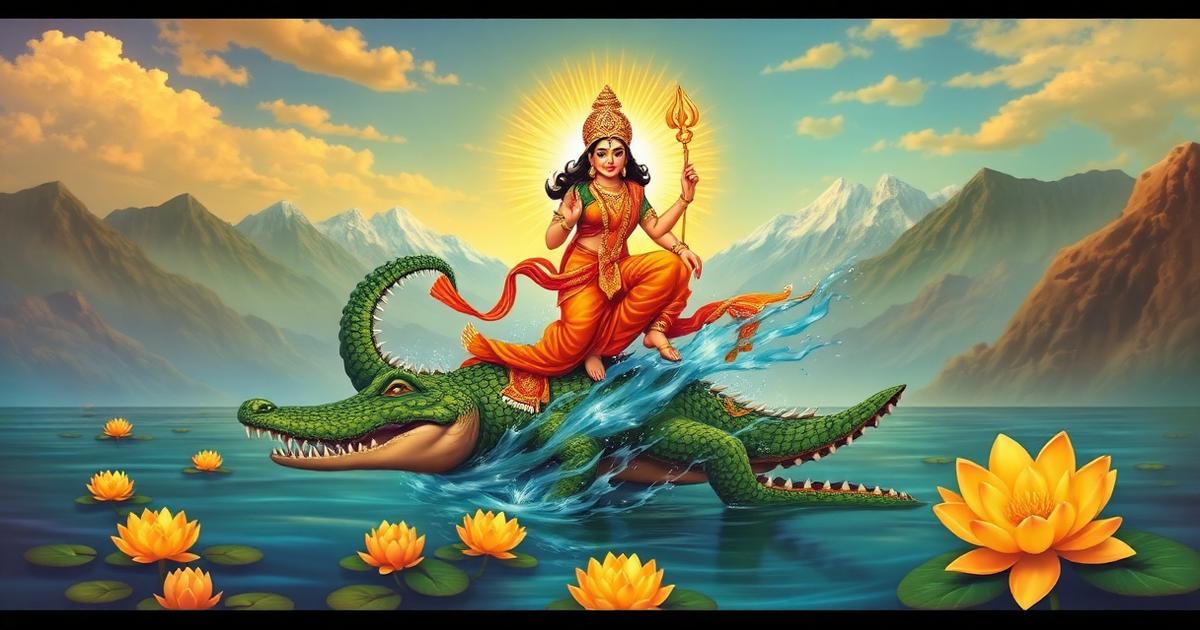
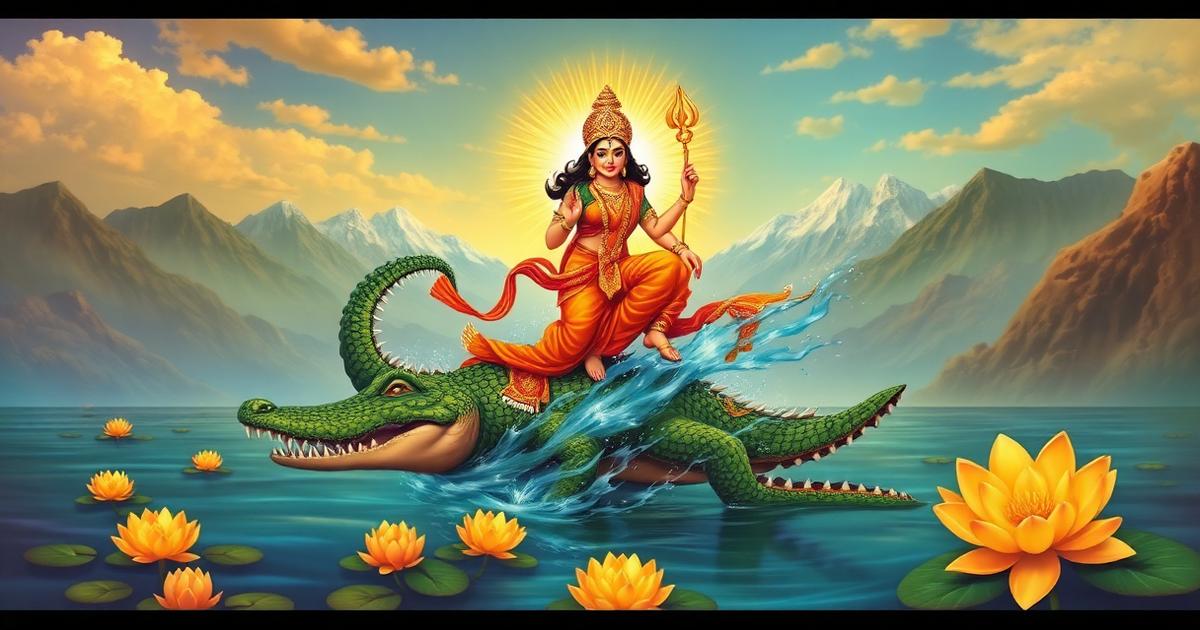
The Ganga Stotram is a celebrated hymn composed by Adi Shankaracharya in praise of Mother Ganga, the holiest river of Bharat. It begins with the immortal line Devi Sureshwari Bhagavati Gange and flows in the lilting rhythm that matches the river herself.
In the Sanatan tradition, Ganga is not merely water - she is a living goddess who descended from the heavens onto the matted locks of Lord Shiva to purify the earth. She is called Tripathaga (flowing through three worlds) and Patita Pavani (purifier of the fallen). To recite this stotram is to take refuge at her feet and pray that she carry the soul across the ocean of worldly existence.
The hymn is sung at Ganga aarti in Haridwar, Rishikesh, Kashi and Prayag, and is dear to anyone who turns to the sacred river for cleansing and grace.
Key Verses with Meaning
Opening verse:
Devi Sureshwari Bhagavati Gange, Tribhuvana Tarini Tarala Tarange. Shankara Mauli Vihaarini Vimale, Mama Matir Aastaam Tava Pada Kamale.
Meaning: O Devi Ganga, goddess of the gods, divine, the saviour of the three worlds with your rippling waves, you who play upon Shankara's head, O spotless one - may my mind ever rest at your lotus feet.
A further verse:
Bhagavati Bhava Kalushvinashini Bhava Vinashini Bhava Tarini.
Meaning: O Bhagavati, you destroy the impurities of worldly life, you remove the cycle of birth and death, and you ferry souls across the ocean of existence.
The full stotram continues in this metre, declaring that one who takes even a drop of Ganga water with devotion need not fear Yama, and that her grace alone can grant liberation. Each verse ends with the refrain placing the devotee's mind at her holy feet.
Benefits of Reciting the Ganga Stotram
- Purification of sins: Devotees believe sincere recitation washes away accumulated sins, just as Ganga water purifies the body.
- Peace of mind: The flowing rhythm calms the mind and turns thoughts toward the divine.
- Protection and fearlessness: The hymn promises freedom from the fear of death for one devoted to Ganga.
- Blessing of devotion: It steadies the mind at the feet of the goddess, deepening bhakti.
- Merit of pilgrimage: Reciting with faith, especially at sacred ghats or while offering Ganga jal, brings the merit of holy bathing.
The stotram is most often recited during Ganga aarti, on Ganga Dussehra and Ganga Saptami, and whenever one bathes in or offers worship to the river.
How to Recite (Vidhi)

1. Time: Recite at dawn or dusk, ideally after a bath, facing east or toward a river if near one. 2. Setup: Keep a small vessel of Ganga jal, a ghee lamp and a few flowers before an image of Mother Ganga or Lord Shiva. 3. Sankalp: Take a moment of intention, bow to Ganga and to Shiva on whose locks she rests. 4. Recitation: Chant the stotram slowly, letting the metre flow. Reading the full hymn is best; even the opening verse with devotion is fruitful. 5. Offering: Offer the flowers and lamp, sprinkle a little Ganga jal on yourself and your home, and pray for purity of mind and body. 6. Closing: End with Har Har Gange and distribute Ganga jal as prasad.
Reciting daily, or every Monday and on river festivals, deepens the blessing.
Frequently Asked Questions
Who wrote the Ganga Stotram?+
The Ganga Stotram beginning 'Devi Sureshwari Bhagavati Gange' is traditionally attributed to Adi Shankaracharya, the great 8th-century saint and philosopher who composed many devotional hymns.
What does 'Devi Sureshwari Bhagavati Gange' mean?+
It means 'O Goddess Ganga, ruler of the gods, divine Bhagavati'. It addresses Mother Ganga as the saviour of the three worlds whose rippling waves ferry souls across the ocean of existence.
When should the Ganga Stotram be recited?+
It is recited at dawn or dusk after a bath, during Ganga aarti, on Ganga Dussehra and Ganga Saptami, and whenever offering Ganga jal or bathing in the river. Daily recitation is also auspicious.
What are the benefits of reciting the Ganga Stotram?+
Devotees believe it purifies sins, brings peace and fearlessness, deepens devotion and grants the merit of holy bathing. The hymn places the mind at the feet of the goddess and prays for liberation.
About the author
Acharya Vinaya Kapoor · M.A. Sanskrit, Mantra & Stotra Studies
Acharya Vinaya holds an M.A. in Sanskrit from Banaras Hindu University and writes the mantra and stotra commentary on Vandnaa. Her focus is on accurate pronunciation, traditional context, and helping modern readers connect with classical texts.
Meet the Vandnaa editorial team →