What Are the Panch Prayag?
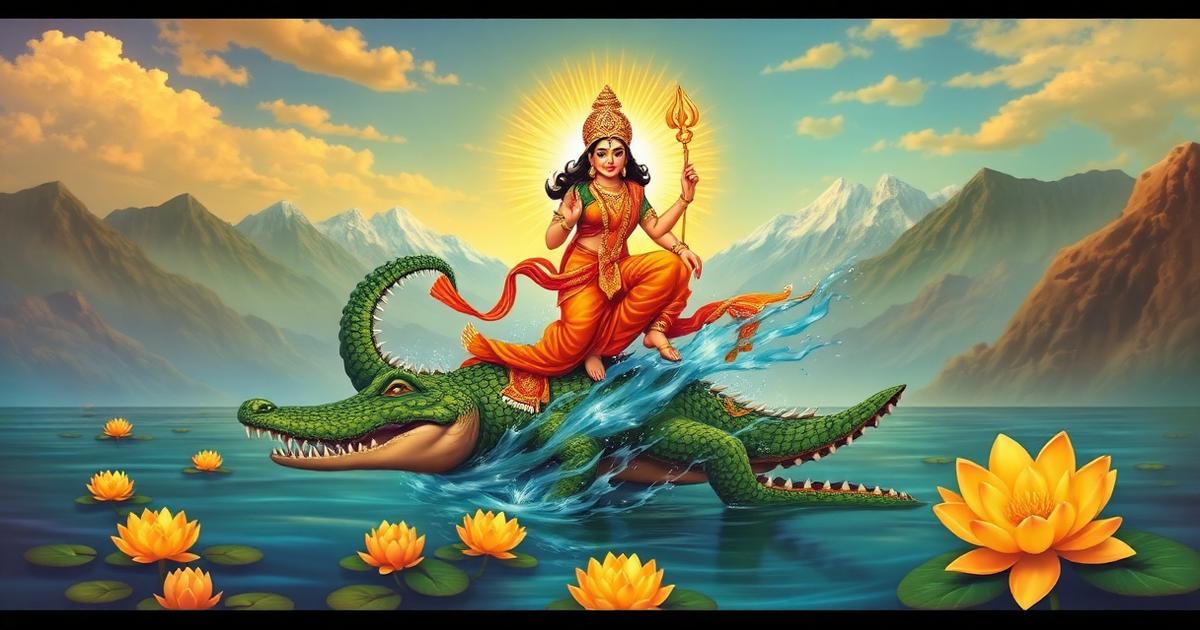
The Panch Prayag are five sacred sangams (confluences) along the course of the Alaknanda river in the Garhwal Himalayas of Uttarakhand. Prayag means a place where rivers meet, and such a meeting point is considered especially holy in the Hindu tradition.
As the Alaknanda flows down from the high glaciers, it joins five other mountain streams at five points. At the last of these, Devprayag, the Alaknanda meets the Bhagirathi and from there the river is called the Ganga. A bath at these confluences is believed to be deeply purifying, and the Panch Prayag lie along the same route as the Char Dham yatra.
Why Confluences Are Sacred
In the Hindu tradition, the meeting of rivers is seen as a meeting of energies and a place where the divine is close at hand. A prayag is considered a tirtha - a crossing point between the earthly and the sacred - where prayer, snan (holy bath) and rituals for ancestors carry special merit.
The Panch Prayag are tied to the very birth of the Ganga in the plains. To follow the Alaknanda from confluence to confluence is to trace how a great river is gathered from many streams - a living image of how the many paths of devotion flow into one. For the pilgrim, each prayag is a station of remembrance, gratitude and inner cleansing.
The Five Prayags - One Line Each
From the highest to the lowest along the Alaknanda:
- Vishnuprayag: The highest, where the Alaknanda meets the Dhauliganga, near Joshimath and Badrinath; associated with Lord Vishnu.
- Nandprayag: Where the Alaknanda meets the Nandakini, linked in tradition with King Nanda and Goddess Nanda.
- Karnaprayag: Where the Alaknanda meets the Pindar, associated with Karna of the Mahabharata, who is said to have worshipped here.
- Rudraprayag: Where the Alaknanda meets the Mandakini that comes from Kedarnath; named after Lord Shiva in his Rudra form.
- Devprayag: The final confluence, where the Alaknanda meets the Bhagirathi and the united river becomes the holy Ganga.
The Yatra Order & How to Visit
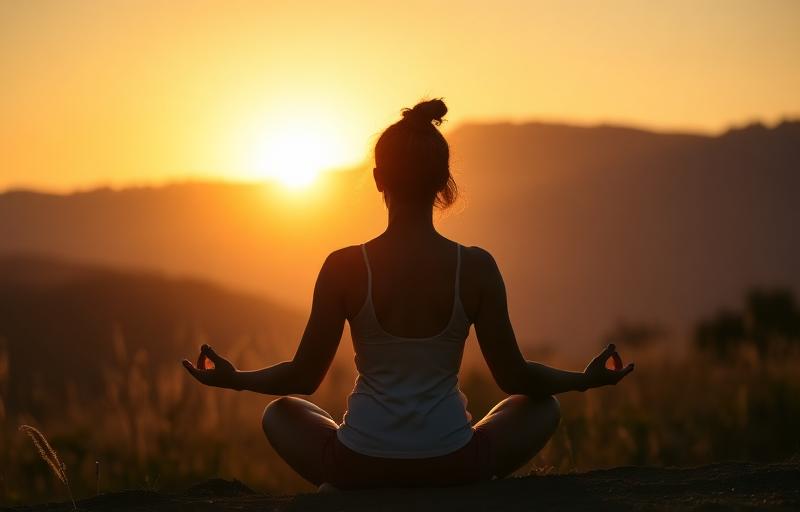
Pilgrims travelling up the valley towards Badrinath pass the prayags in the order Devprayag, Rudraprayag, Karnaprayag, Nandprayag and Vishnuprayag. Following the water downstream, the order reverses, beginning at Vishnuprayag.
- All five prayags lie along the main Char Dham route in Garhwal, so many devotees visit them while travelling to Badrinath and Kedarnath.
- A respectful snan or jal aachman at each confluence, a quiet prayer and an offering of flowers are the simplest ways to honour the prayag.
- Mountain weather and river levels change quickly, so check road and weather conditions and bathe only where it is safe.
- More than the count of confluences, the Panch Prayag invite the pilgrim to follow the Ganga to her source and offer gratitude to Mother Ganga at every meeting of her waters.
Reader Questions Answered
What are the five Panch Prayag?+
The Panch Prayag are Vishnuprayag, Nandprayag, Karnaprayag, Rudraprayag and Devprayag - five confluences along the Alaknanda in the Garhwal Himalayas. At Devprayag the river becomes the Ganga.
Where does the Ganga get her name?+
At Devprayag, the last of the Panch Prayag, the Alaknanda meets the Bhagirathi, and from that confluence onward the united river is called the Ganga.
Why is a river confluence considered sacred?+
A prayag is seen as a tirtha, a crossing point between the earthly and the divine, where the meeting of waters carries special power. Snan, prayer and rituals for ancestors at a confluence are believed to be deeply purifying.
Are the Panch Prayag on the Char Dham route?+
Yes. All five prayags lie along the main Garhwal route towards Badrinath and Kedarnath, so many pilgrims visit them during the Char Dham yatra. Check road and weather conditions, and bathe only where it is safe.
About the author
Pandit Ravindra Sharma · Vedic Rituals & Bhakti, 22+ years
Pandit Ravindra is the Vandnaa editorial team's resident specialist on aarti, chalisa, and daily devotion. He has performed home and temple pujas across Varanasi and Delhi for over two decades and contributes the bhakti-focused articles on this site.
Meet the Vandnaa editorial team →