Who Is Gayatri Devi?
Gayatri Devi is the goddess who personifies the sacred Gayatri Mantra - the most revered of all Vedic mantras, a prayer to the divine light (Savitr, the Sun) to illumine our intellect. When this supreme mantra is worshipped as a living goddess, she is Gayatri Devi.
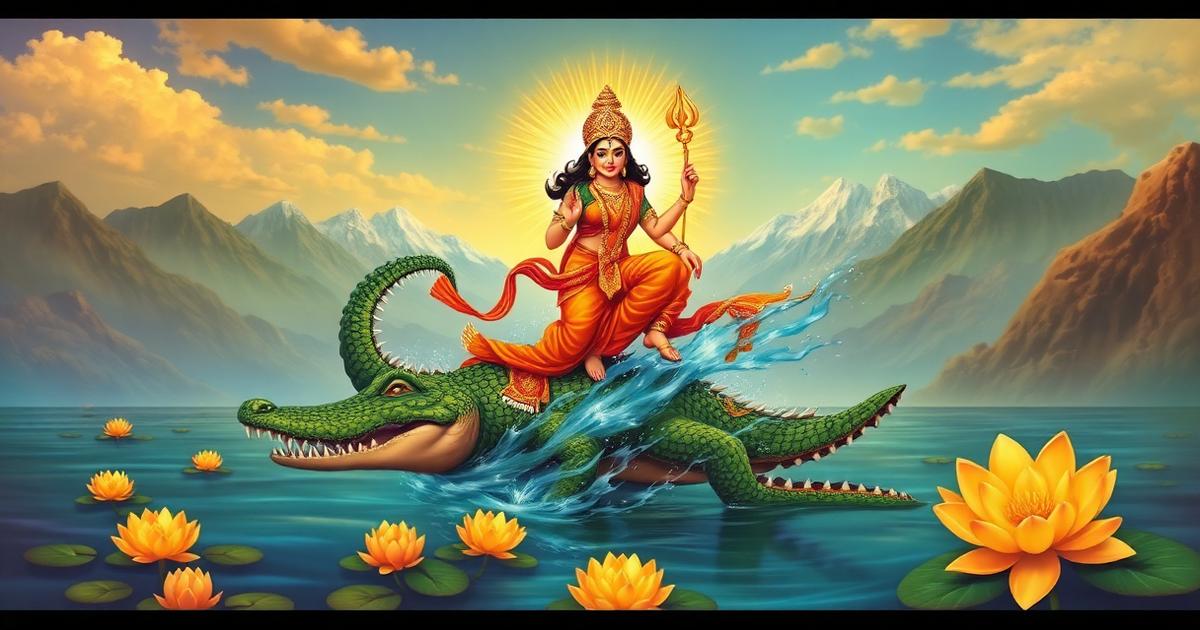
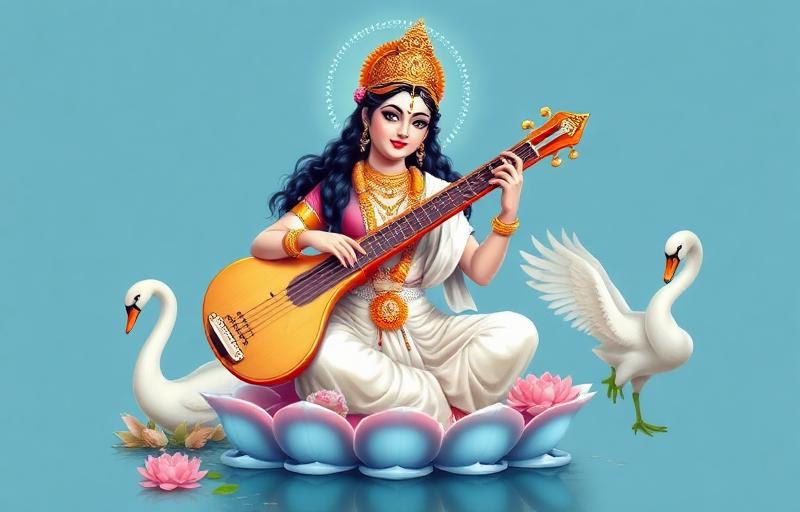
She is honoured as Vedamata - the Mother of the Vedas - because the Gayatri is considered the essence and source from which the Vedas and all sacred knowledge flow. She is also called Savitri and Sandhya Devi, worshipped at the three sandhya times (dawn, noon and dusk). Gayatri Devi is often depicted with five faces and ten hands, seated on a lotus, radiant and serene, embodying purity, wisdom and the light of divine knowledge. She is revered as a form of the Divine Mother who awakens the intellect and leads the seeker from darkness to light.
Significance as Vedamata
Gayatri Devi holds a supremely exalted place in our tradition:
- Mother of the Vedas: As Vedamata, she is honoured as the origin of the four Vedas and all sacred knowledge, the very source of the sound and wisdom of the scriptures.
- The light of the intellect: The Gayatri Mantra prays for the awakening and purification of the buddhi (intellect); Gayatri Devi is the grace that grants clear thinking, wisdom and discernment.
- The goddess of the three sandhyas: She is worshipped at dawn, noon and dusk in the Sandhya Vandana, connecting the devotee to the divine light through the day.
- Mother of all seekers: She is seen as the universal Mother who nurtures spiritual growth, purifies the mind and leads from ignorance toward truth.
- Beyond division: As the personified essence of the Vedas, she is revered across traditions as a supreme, unifying form of the Divine Mother.
Her worship is thus a worship of sacred knowledge, purity and the inner light itself.
How to Worship Gayatri Devi
The heart of Gayatri Devi's worship is the loving, sincere chanting of the Gayatri Mantra: Om Bhur Bhuvah Svah, Tat Savitur Varenyam, Bhargo Devasya Dhimahi, Dhiyo Yo Nah Prachodayat.
Simple ways to worship:
- Chant at the three sandhyas - dawn, noon and dusk - or at least in the early morning after a bath, facing east toward the sun.
- Keep an image of Gayatri Devi in the puja place; offer white or yellow flowers, a diya and pure water.
- Use a mala to chant the Gayatri Mantra 11, 21 or 108 times with a calm, focused mind.
- Gayatri Jayanti, in the month of Jyeshtha, is a special day to honour her.
- Cultivate the spirit: Since she is the light of the intellect, honour her by seeking wisdom, purity and truthful living.
Traditionally the Gayatri Mantra is received from a guru, especially at the sacred thread (Upanayana) ceremony, but it is widely chanted with devotion. These are traditional practices observed with faith.
What People Ask Most
Who is Gayatri Devi?+
Gayatri Devi is the goddess who personifies the sacred Gayatri Mantra, a prayer to the divine light to illumine the intellect. Revered as Vedamata, the Mother of the Vedas, she is often depicted with five faces and ten hands, embodying purity, wisdom and the light of divine knowledge.
Why is Gayatri called Vedamata, the Mother of the Vedas?+
Because the Gayatri Mantra is considered the essence and source from which the Vedas and all sacred knowledge flow. As the personified Gayatri, she is honoured as the origin of the four Vedas and the very source of the sound and wisdom of the scriptures.
How is Gayatri Devi worshipped?+
The heart of her worship is chanting the Gayatri Mantra with devotion, ideally at the three sandhyas (dawn, noon, dusk) or in the early morning facing the sun, often using a mala for 11, 21 or 108 repetitions. Devotees also keep her image, offer flowers and a diya, and honour Gayatri Jayanti in the month of Jyeshtha.
About the author
Acharya Vinaya Kapoor · M.A. Sanskrit, Mantra & Stotra Studies
Acharya Vinaya holds an M.A. in Sanskrit from Banaras Hindu University and writes the mantra and stotra commentary on Vandnaa. Her focus is on accurate pronunciation, traditional context, and helping modern readers connect with classical texts.
Meet the Vandnaa editorial team →