Who Is Maa Gayatri
Maa Gayatri is worshipped as the Vedmata - the mother of the Vedas - and the personification of the sacred Gayatri Mantra, the most revered verse of the Rig Veda. She is depicted with five faces and ten hands, seated on a lotus, symbolising mastery over the five elements and all directions of knowledge. As the goddess of gyaan (wisdom) and divine light, she is also seen as the combined power of Saraswati, Lakshmi and Kali - knowledge, abundance and strength. To worship her is to seek the light that dispels the darkness of ignorance.
What the Gayatri Chalisa Contains
The Gayatri Chalisa is a forty-verse hymn that glorifies Maa Gayatri as the source of the Vedas, the giver of wisdom, and the destroyer of sin and suffering. It describes her radiant form, her power to purify the mind and grant spiritual strength, and her grace upon sincere seekers. The verses affirm that regular recitation, along with the Gayatri Mantra, leads to clarity of thought, good character and steady progress on the spiritual path.
Opening Doha and Sample Verses
Doha: Hreem Shreem Kleem medha-prada, jagat-paalini Maat. Sat-marg par hum chalein, prabhu jee dharo nij haath.
Chaupai (sample): Jai jai jai Gayatri Mata, mangal-moorti brahm-vidhaata. Aadi-shakti tum alakh-niranjan, jag-paalan-kartri dukh-bhanjan.
These verses pray that the mother of supreme intelligence keep her devotees on the path of truth, and hail her as the primordial Shakti, the unseen, pure sustainer of the world and remover of sorrow.
The Gayatri Mantra
At the heart of all Gayatri worship is the Gayatri Mantra itself:
Om Bhur Bhuvah Svah, Tat Savitur Varenyam, Bhargo Devasya Dhimahi, Dhiyo Yo Nah Prachodayat.
Its meaning is a prayer to the divine light of the Sun and the supreme creator: 'We meditate on that adorable, radiant glory; may that divine light inspire and illumine our intellect.' Reciting the chalisa together with the Gayatri Mantra is considered especially powerful for purifying the mind.
Jap Vidhi - How to Recite
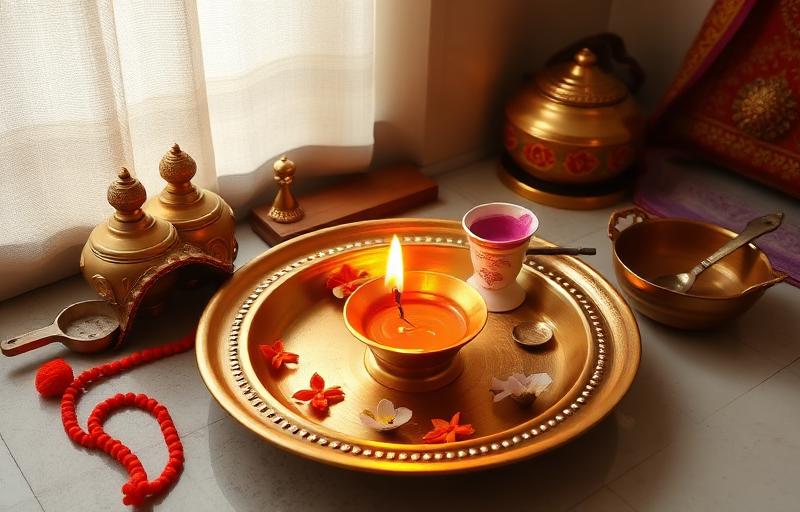
1. Bathe early, ideally before sunrise, and wear clean clothes; face east toward the Sun. 2. Place an image of Maa Gayatri and light a ghee lamp with agarbatti. 3. Offer water (arghya) to the Sun, along with white or yellow flowers and prasad. 4. Begin with the opening doha, then recite the forty verses of the chalisa calmly. 5. Chant the Gayatri Mantra 11, 21 or 108 times on a rudraksha or tulsi mala. 6. Sit quietly in meditation for a few moments, then pray for wisdom and purity. The three sandhya times - sunrise, noon and sunset - are traditionally the most auspicious for Gayatri jap.
Benefits of the Gayatri Chalisa
Reciting the Gayatri Chalisa with the mantra is believed to sharpen the intellect, purify the mind and heart, and bring clarity, focus and good character. It is said to remove negative thoughts and fears, grant spiritual strength and inner peace, and support success in studies and work. Above all, Gayatri worship awakens viveka (discernment) and gently turns the seeker toward truth, light and a virtuous life.
Tips for Daily Gayatri Sadhana

Try to keep a fixed time and clean place for your daily practice, preferably at sunrise. Sit with a straight back, breathe calmly and pronounce each word of the mantra clearly. Start with eleven or twenty-one repetitions and build up gradually; consistency matters far more than long sessions done irregularly. Keep your conduct truthful and your diet sattvic (pure), as a calm, clean life makes the sadhana far more fruitful.
What People Ask Most
Who is Maa Gayatri?+
Maa Gayatri is the Vedmata, the mother of the Vedas, and the personification of the Gayatri Mantra. She is the goddess of supreme knowledge and light, often seen as the combined power of Saraswati, Lakshmi and Kali.
What is the Gayatri Mantra?+
The Gayatri Mantra is 'Om Bhur Bhuvah Svah, Tat Savitur Varenyam, Bhargo Devasya Dhimahi, Dhiyo Yo Nah Prachodayat'. It is a prayer to the divine light to inspire and illumine our intellect.
When is the best time for Gayatri jap?+
The three sandhya times - sunrise, noon and sunset - are traditionally most auspicious. Sunrise, facing east toward the Sun, is especially favoured for daily Gayatri sadhana.
How many times should the Gayatri Mantra be chanted?+
Beginners can chant 11 or 21 times and gradually increase to 108 on a rudraksha or tulsi mala. Consistency each day matters more than the count, so build the practice steadily.
What are the benefits of the Gayatri Chalisa?+
It is believed to sharpen the intellect, purify the mind, bring clarity and good character, remove negative thoughts and fears, and grant spiritual strength, inner peace and success in studies and work.
Can anyone recite the Gayatri Chalisa and Mantra?+
Yes. Anyone with faith, cleanliness and sincere intent can recite the Gayatri Chalisa and Mantra. A calm mind, clear pronunciation and a sattvic, truthful life make the practice most fruitful.
About the author
Acharya Vinaya Kapoor · M.A. Sanskrit, Mantra & Stotra Studies
Acharya Vinaya holds an M.A. in Sanskrit from Banaras Hindu University and writes the mantra and stotra commentary on Vandnaa. Her focus is on accurate pronunciation, traditional context, and helping modern readers connect with classical texts.
Meet the Vandnaa editorial team →Explore on Vandnaa
Related Articles

Gayatri Mantra Meaning, Benefits & How to Chant (गायत्री मंत्र)
12 min read

Surya Gayatri Mantra - Meaning, 7 Powerful Benefits & Daily Chanting Vidhi
9 min read

Saraswati Chalisa - Lyrics, Meaning, Benefits & Jap Vidhi
8 min read
Ganga Aarti - Maa Ganga Significance, Lyrics & Puja Vidhi
9 min read

Om Namah Shivaya Mantra Benefits & Meaning (ॐ नमः शिवाय)
9 min read
Radha Chalisa - Lyrics, Meaning, Benefits & Jap Vidhi
8 min read