Who Is Maa Ganga
Maa Ganga is the most sacred river of India worshipped as a living goddess, the daughter of the Himalayas and the river that descended from Lord Shiva's jata (matted locks) to the earth. She is Patit Pavani - the purifier of the fallen - and a mother who washes away the sins and sorrows of all who come to her. Her waters are believed to carry amrit (nectar), and a single sincere dip is said to cleanse lifetimes of karma. To stand before her at the ghat is to feel both surrender and homecoming.
Significance of Ganga and Her Aarti
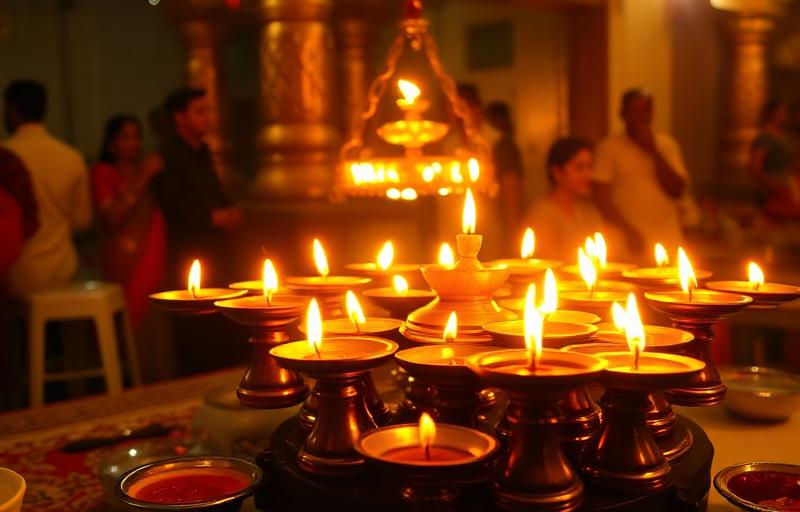
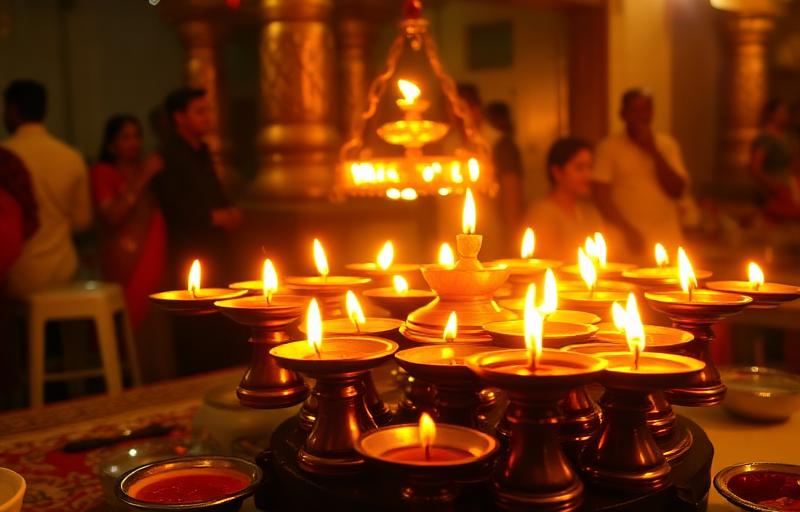
The Ganga Aarti is the grand evening offering of light to the river goddess, most famous at Har Ki Pauri in Haridwar and Dashashwamedh Ghat in Varanasi. Priests wave large multi-tiered lamps to the sound of bells, conch and chanting while devotees float diyas on the water. The aarti expresses gratitude to Ganga for giving life, food and salvation, and is believed to grant peace, purification and the blessing of moksha. Watching or performing it is one of the most moving experiences of Sanatan devotion.
Ganga Aarti - Lyrics and Meaning
The beloved aarti 'Om Jai Gange Mata' is sung as the lamps are waved:
Om Jai Gange Mata, Maiya Jai Gange Mata. Jo nar tumko dhyaata, manvanchhit phal paata.
Chandra-si jyoti tumhaari, jal nirmal aata. Sharan pade jo teri, so nar tar jaata.
The verses praise Ganga's moon-like radiance and pure waters, and declare that whoever remembers her with devotion crosses the ocean of worldly suffering and receives the fruit of their heart's wishes.
Ganga Mantra
The simple and powerful invocation of Ganga is:
Om Namo Gangayai Vishwarupini Namo Namah
Devotees also chant the popular jaikara Har Har Gange while bathing or offering water. A traditional verse recited before snan is:
Gange cha Yamune chaiva Godavari Saraswati, Narmade Sindhu Kaveri jalesmin sannidhim kuru.
This calls all the sacred rivers to be present in the water, sanctifying even a simple bath at home.
Ganga Puja Vidhi
At a ghat or at home, the worship is simple and heartfelt: 1. Rise early, bathe and wear clean clothes; if at the river, take a respectful dip facing the sunrise. 2. Offer water (arghya) to Ganga or the Sun while chanting 'Har Har Gange'. 3. Light a ghee or oil lamp and offer flowers, fruits and prasad. 4. Float a small leaf-boat diya on the water if you are at the ghat. 5. Sing the Ganga Aarti, waving the lamp clockwise. 6. Pray for purification, peace and the wellbeing of your family, and never pollute the river in return. Ganga Dussehra, Ganga Saptami and Kartik Purnima are the most auspicious days for this worship.
Benefits of Ganga Worship
Worship of Maa Ganga is believed to purify body and mind, wash away accumulated sins and karmic burdens, and bring peace to the heart and to departed ancestors through tarpan. Her aarti is said to grant prosperity, health and the fulfilment of sincere wishes, while a dip in her waters on auspicious days is considered a step toward moksha. Above all, her worship cultivates gratitude, humility and respect for nature.
Keeping Ganga Clean - A Sacred Duty

True devotion to Maa Ganga includes protecting her purity. Never throw plastic, waste or polluting offerings into the river, and use only natural flowers, leaves and biodegradable diyas. Bathe and offer prayers respectfully, and discourage others from dumping refuse. Keeping the river clean is itself a form of worship and the most meaningful gift a devotee can offer the mother who gives so much.
What People Ask Most
Why is the Ganga Aarti performed in the evening?+
The evening aarti offers light, gratitude and farewell to the river goddess at dusk. At Haridwar and Varanasi, priests wave large lamps to bells and chanting, and devotees float diyas, creating a deeply moving spiritual atmosphere.
What is the main Ganga mantra?+
A popular mantra is 'Om Namo Gangayai Vishwarupini Namo Namah', and devotees commonly chant the jaikara 'Har Har Gange' while bathing or offering water to the river.
Where are the most famous Ganga Aartis held?+
The most famous Ganga Aartis are at Har Ki Pauri in Haridwar and Dashashwamedh Ghat in Varanasi, with another well-known aarti at Triveni Ghat in Rishikesh.
Can I perform Ganga puja at home?+
Yes. Add a little Gangajal to your bathing water, chant 'Har Har Gange', offer arghya and a lamp, and sing the Ganga Aarti. Sincere devotion at home is as valued as worship at the ghat.
Which days are best for Ganga snan?+
Ganga Dussehra, Ganga Saptami, Kartik Purnima, Makar Sankranti and Amavasya are especially auspicious for a holy dip and for offering tarpan to ancestors.
How can devotees protect Maa Ganga?+
True devotion means keeping the river clean. Avoid plastic and polluting offerings, use only natural flowers and biodegradable diyas, and discourage dumping of waste, as keeping Ganga pure is itself worship.
About the author
Acharya Vinaya Kapoor · M.A. Sanskrit, Mantra & Stotra Studies
Acharya Vinaya holds an M.A. in Sanskrit from Banaras Hindu University and writes the mantra and stotra commentary on Vandnaa. Her focus is on accurate pronunciation, traditional context, and helping modern readers connect with classical texts.
Meet the Vandnaa editorial team →Explore on Vandnaa
Related Articles
Ganga Saptami 2026: Date, Snan Muhurat, Mantras & Why a Single Dip Washes 7 Lifetimes of Sin
9 min read
Chhath Puja 2026: Date, 4-Day Puja Vidhi, Surya Arghya Timings & Sacred Mantras
10 min read
Shiv Aarti Lyrics – Om Jai Shiv Omkara (शिव आरती)
13 min read
Om Namah Shivaya Mantra Benefits & Meaning (ॐ नमः शिवाय)
9 min read
Durga Aarti Lyrics – Ambe Tu Hai Jagdambe Kali (दुर्गा आरती)
8 min read