The Dakshin Ganga
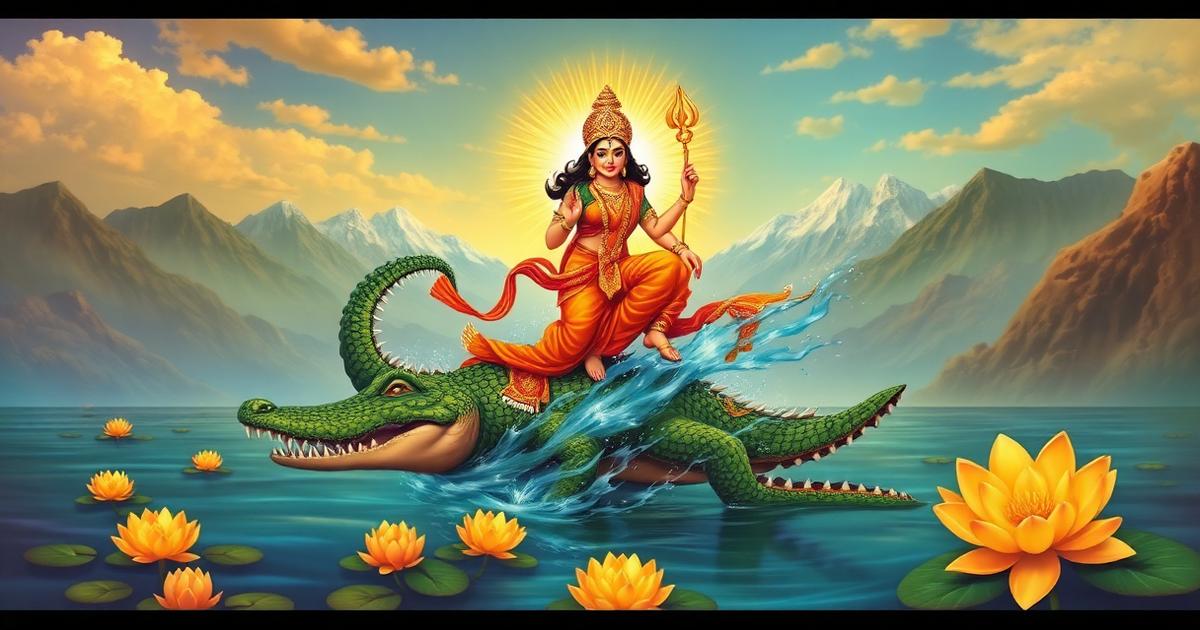
The Godavari is the second longest river in India after the Ganga, and among the most sacred. It rises at Trimbak near Nashik in Maharashtra and flows eastward across the Deccan, through Maharashtra, Telangana and Andhra Pradesh, before joining the Bay of Bengal. So deeply is it revered that it is lovingly called the Dakshin Ganga - the 'Ganga of the South'.
Like the Ganga, the Godavari is worshipped not merely as a river but as a living goddess and divine mother, who purifies, nourishes and blesses all who come to her. Her banks are dotted with ancient temples, holy towns and places sacred to great sagas of our tradition. To bathe in the Godavari, offer prayers at her ghats, or simply behold her flowing waters is considered deeply purifying and auspicious. She embodies the Hindu reverence for rivers as sacred, life-giving forms of the Divine.
Sacred Significance & Stories
The Godavari is woven through many sacred threads of our tradition:
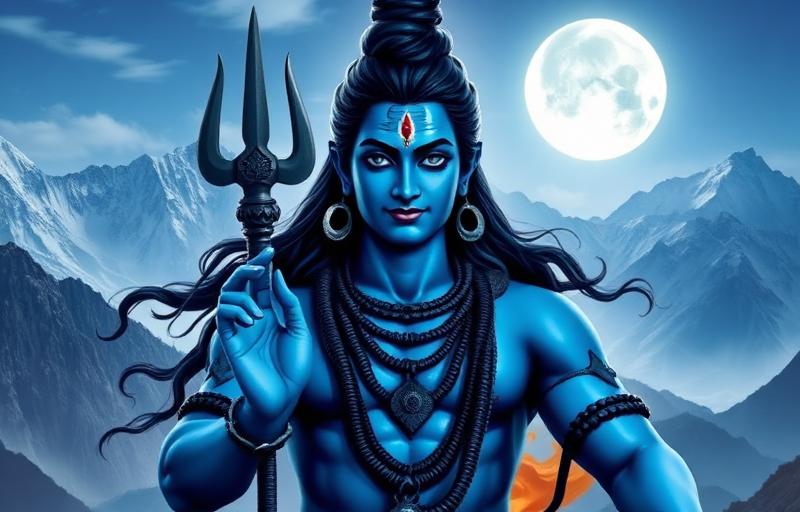
- Origin at Trimbak: She rises at Trimbak, home of the Trimbakeshwar Jyotirlinga, one of the twelve sacred Jyotirlingas of Shiva, making her very source deeply holy.
- The story of Gautami: By tradition, the sage Gautama Rishi brought the river down through the grace of Shiva to atone and bless the land, so the Godavari is also called Gautami Ganga.
- Links to the Ramayana: The region of Panchavati (near Nashik) on the Godavari's banks is where Lord Rama, Sita and Lakshmana are said to have stayed during their exile, making it sacred to devotees of Rama.
- The Pushkaram festival: Every twelve years, the grand Godavari Pushkaram draws millions of pilgrims to bathe in her holy waters, a great celebration of the river goddess.
- Holy towns: Nashik, Trimbak, Rajahmundry (Rajamahendravaram), Bhadrachalam and many others along her course are revered pilgrimage centres.
Thus the Godavari unites the grace of Shiva, the memory of Rama, and the devotion of countless pilgrims across the ages. These are matters of sacred tradition.
Honouring the River Goddess
Devotees honour the Godavari in ways that unite faith and gratitude:
- Snana (holy bath): Bathing in the Godavari, especially at Trimbak, Nashik and during Pushkaram, is considered deeply purifying and auspicious.
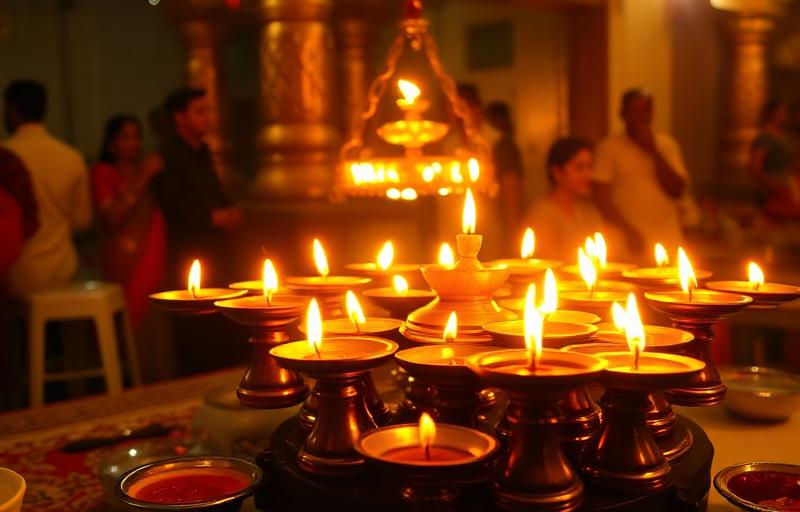
- Aarti and offerings: Devotees offer aarti, flowers, diyas and prayers at her ghats, honouring her as the divine mother.
- Pilgrimage: Visiting the sacred towns along her banks, from Trimbakeshwar to Bhadrachalam, combines darshan of great temples with the blessing of the holy river.
- Pushkaram: Taking part in the twelve-yearly Godavari Pushkaram is a cherished act of devotion for millions.
- Gratitude and care: As with all our sacred rivers, honouring the Godavari also means keeping her waters clean and treating the environment with the reverence due to a living goddess.
Whether through a holy dip, a prayer at her ghat, or simply gratitude for the life she gives, the Godavari invites every heart to remember the Divine flowing through nature. These are traditional beliefs held with devotion.
Quick Answers
Why is the Godavari called the Dakshin Ganga?+
The Godavari is lovingly called the Dakshin Ganga, or 'Ganga of the South', because it is the second longest and among the most sacred rivers of India, revered in the South much as the Ganga is in the North. Like the Ganga, it is worshipped as a living goddess and divine mother.
Where does the Godavari originate and what is there?+
The Godavari rises at Trimbak near Nashik in Maharashtra, which is also home to the Trimbakeshwar Jyotirlinga, one of the twelve sacred Jyotirlingas of Lord Shiva. This makes her very source deeply holy, and by tradition she is also called Gautami Ganga after the sage Gautama.
What is the connection between the Godavari and the Ramayana?+
Panchavati, near Nashik on the banks of the Godavari, is where Lord Rama, Sita and Lakshmana are said to have stayed during their exile, making the region deeply sacred to devotees of Rama. Along with Trimbakeshwar and the Pushkaram festival, this adds to the river's rich spiritual significance.
About the author
Pandit Ravindra Sharma · Vedic Rituals & Bhakti, 22+ years
Pandit Ravindra is the Vandnaa editorial team's resident specialist on aarti, chalisa, and daily devotion. He has performed home and temple pujas across Varanasi and Delhi for over two decades and contributes the bhakti-focused articles on this site.
Meet the Vandnaa editorial team →