What Is Grahan and Sutak
Grahan is an eclipse - Surya Grahan (solar) or Chandra Grahan (lunar) - when the Sun or Moon is temporarily veiled. Sutak is the sensitive period that begins before the eclipse and ends when it is over. For a solar eclipse, Sutak usually begins 12 hours before, and for a lunar eclipse about 9 hours before. During this time the atmosphere is considered subtle and impure, so devotees pause worldly activity and turn to prayer, japa and self-restraint. The exact Sutak timing changes with each eclipse and place.
What to Avoid During Sutak
During the Sutak and eclipse period, tradition advises: 1. Avoid eating and cooking - finish meals before Sutak begins. 2. Do not enter temples or touch idols; temple doors are kept closed. 3. Avoid starting new work, travel, shopping or important decisions. 4. Do not sleep during the actual eclipse; stay awake in prayer. 5. Avoid cutting, stitching, or sharp tasks, and refrain from physical intimacy. 6. Do not look directly at a solar eclipse with the naked eye. These are observed as acts of respect and inner discipline, not superstition or fear.
Food, Water and Tulsi
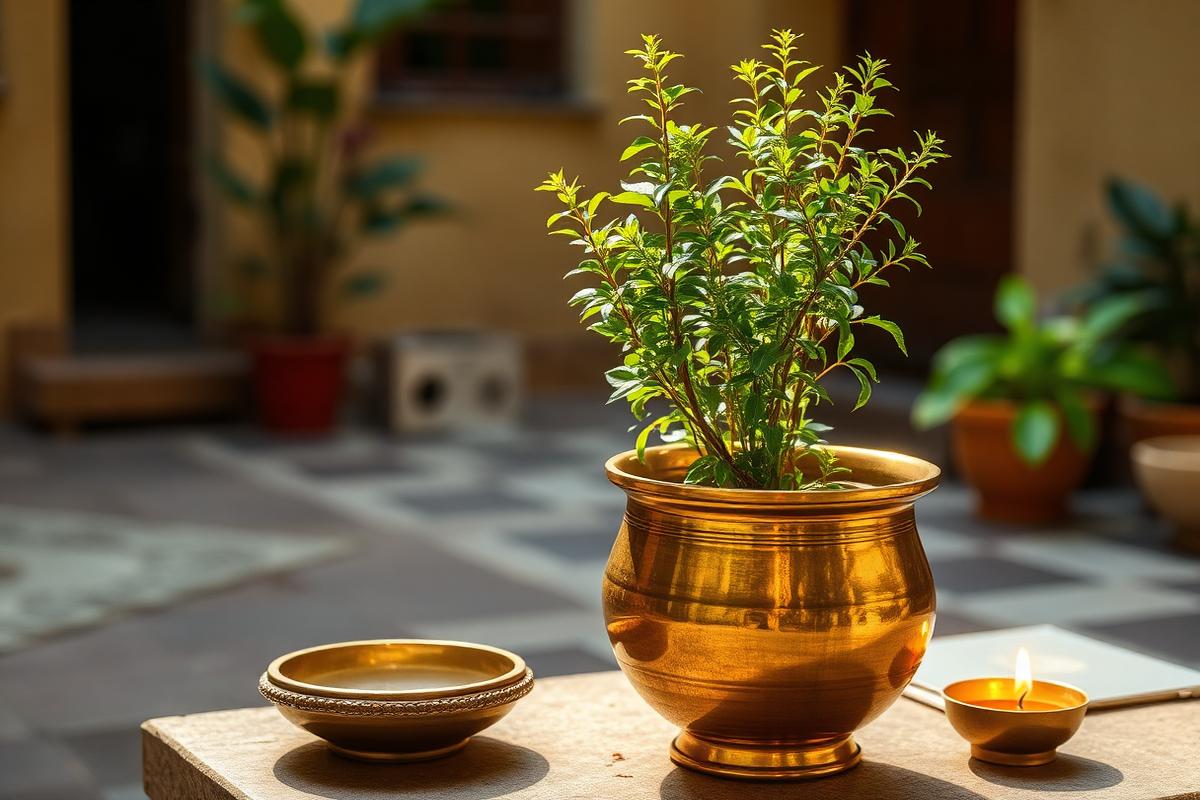
It is customary to place Tulsi leaves or Kusha grass into stored food, milk, curd, ghee, water and pickles before Sutak begins, as Tulsi is believed to protect them from the eclipse's subtle effects. Ideally, consume or finish perishables before Sutak, and avoid keeping cooked food through the eclipse. After the eclipse ends, the Tulsi leaves are removed and fresh food is cooked. These customs reflect a tradition of caution, purity and gratitude around food rather than strict prohibition.
Precautions for Pregnant Women
Tradition advises extra gentleness for expectant mothers during an eclipse. Customarily they are asked to rest, stay indoors, avoid cutting, stitching or using sharp objects, and to spend the time chanting or listening to mantras for the wellbeing of mother and child. Many keep a Tulsi leaf or coconut with them and bathe after the eclipse. These are caring, calming customs meant to encourage rest and prayer - they should never cause anxiety, and any health concern should always be discussed with a doctor.
Mantras to Chant During Grahan
The eclipse is considered a highly potent time for japa, when even simple chanting carries great merit. Recommended mantras: 1. Maha Mrityunjaya Mantra - Om Tryambakam Yajamahe - for health and protection. 2. Gayatri Mantra - Om Bhur Bhuvah Svah - for purity and light. 3. For a solar eclipse, the Surya Mantra Om Suryaya Namah or Aditya Hridaya Stotra. 4. For a lunar eclipse, the Chandra Mantra Om Som Somaya Namah. 5. Om Namah Shivaya and Vishnu names are chanted by all. Silent or soft chanting through the eclipse is the heart of the observance.
Remedies and Cleansing After the Eclipse
When the eclipse ends (moksha), perform these acts: 1. Take a bath, ideally in clean or Ganga-mixed water, and wear fresh clothes. 2. Sprinkle Ganga jal around the home and on the pooja area to purify it. 3. Wash and reopen the temple/altar, then offer fresh prayers and light a lamp. 4. Donate (daan) grains, clothes, money or food to the needy and Brahmins - charity after grahan is highly meritorious. 5. Discard old cooked food and cook fresh meals. 6. Feed the poor, cows or birds. Confirm the exact eclipse and Sutak timings for your city on the Vandnaa Panchang.
Quick Answers
What is Sutak during an eclipse?+
Sutak is the sensitive period before and during an eclipse, beginning about 12 hours before a solar eclipse and 9 hours before a lunar one, when worldly activity is paused for prayer.
Can we eat food during the eclipse?+
Tradition advises finishing meals before Sutak begins and avoiding cooking or eating during the eclipse. Tulsi leaves are placed in stored food and water, and fresh food is cooked afterward.
What should pregnant women do during a grahan?+
Customarily they rest indoors, avoid sharp tasks and spend time chanting mantras for mother and child. These are calming, caring customs and should not cause anxiety; consult a doctor for any health concern.
Which mantra should we chant during an eclipse?+
The Maha Mrityunjaya Mantra and Gayatri Mantra are ideal, along with Om Namah Shivaya. The eclipse is a highly potent time for japa, so even simple, sincere chanting carries great merit.
What should we do after the eclipse ends?+
Take a bath, sprinkle Ganga jal at home, clean and reopen the temple, light a lamp, donate to the needy, discard old cooked food and prepare fresh meals.
Why is donation important after a grahan?+
Charity after an eclipse is considered highly meritorious and a way to remove its negative subtle effects. Donating grains, clothes, money or food to the needy brings peace and blessings.
About the author
Acharya Vinaya Kapoor · M.A. Sanskrit, Mantra & Stotra Studies
Acharya Vinaya holds an M.A. in Sanskrit from Banaras Hindu University and writes the mantra and stotra commentary on Vandnaa. Her focus is on accurate pronunciation, traditional context, and helping modern readers connect with classical texts.
Meet the Vandnaa editorial team →Explore on Vandnaa
Related Articles

Maha Mrityunjaya Mantra: Meaning & Benefits (महा मृत्युंजय मंत्र)
9 min read

Navagraha Chalisa & Shanti Mantras - Nine Planets, Benefits & Vidhi
10 min read
Rahu-Ketu Shanti Mantra & Remedies for Grah Dosh - Beej Mantra
9 min read
Om Namah Shivaya Mantra Benefits & Meaning (ॐ नमः शिवाय)
9 min read
Kaal Sarp Dosh: Real Symptoms, 7 Powerful Remedies & The Only Puja That Works
8 min read
Narayan Kavach - Most Powerful Vishnu Protection Mantra (Meaning, Vidhi & 7 Benefits)
9 min read