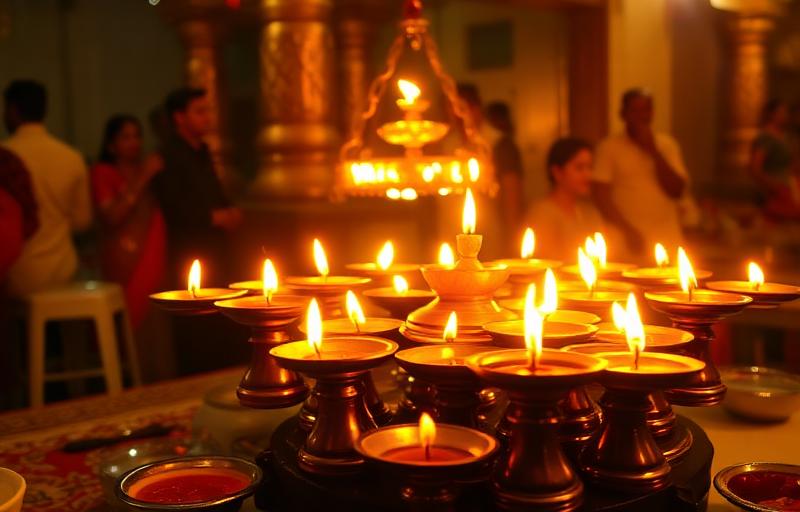
What Griha Pravesh Is, and Its Three Types
Griha Pravesh literally means entry into the home, and it refers to the puja performed when a family formally enters a house for residence, whether newly built, newly purchased, or being re-entered after renovation or an extended absence. The ceremony is meant to invoke blessings for the household, invite positive energy, and ritually settle Vastu Purusha, the deity believed to preside over the plot of land and the structure built upon it, before daily life begins there.
Traditional texts describe three distinct types of Griha Pravesh, and knowing which applies to your situation shapes how elaborate the ceremony needs to be.
- Apoorva Griha Pravesh: entry into a completely new house, built fresh or purchased new, never previously lived in by the family; this calls for the fullest version of the ceremony
- Sapoorva Griha Pravesh: re-entry into a home the family has already lived in, typically after a journey, temporary relocation, or renovation; this version is comparatively simpler
- Dwandwa Griha Pravesh: entry after a significant event such as a fire, major damage, or a long period of the house standing vacant, where purification takes on added importance
Most families planning a checklist are working with Apoorva Griha Pravesh, moving into a genuinely new home, and this guide is organised primarily around that fullest version, while noting where a Sapoorva entry can reasonably be trimmed down. Whichever type applies, the goal of the checklist below is the same: making sure nothing essential is missing on the day itself, when there is little room to run out for a forgotten item.
The Samagri Checklist
Gathering samagri (ritual items) a day or two in advance, rather than the morning of, avoids the most common source of last-minute stress. A fairly complete list for a full Griha Pravesh puja includes:
- Idols or images of Ganesh, Lakshmi and Kalash-worthy deities as per your family tradition, plus a Navgraha panel if the priest recommends one
- A kalash (brass or copper pot), coconut, mango leaves and a small piece of red cloth to dress the kalash
- Raw rice (akshat), turmeric, kumkum, sandalwood paste and haldi
- A mix of five or seven grains (saptadhanya) for certain regional variations of the puja
- Ghee, cotton wicks and diyas, plus matchboxes or a lighter
- Mango leaves (torans) for the main entrance door
- Fresh flowers and garlands, along with bel patra or tulsi leaves if advised
- Havan samagri: dry wood or havan cups, camphor, dhoop sticks, and a havan kund if a fire ritual is planned
- Panchamrit ingredients: milk, curd, honey, ghee and sugar
- A silver or steel coin, and a few extra coins for placing at the threshold
- Betel leaves and areca nuts (paan-supari)
- New clothes for the family members performing the puja, typically in a single auspicious colour
- A cotton mauli (sacred thread) for tying around wrists and around the kalash
- Milk for the boiling-over ritual, plus a new vessel to boil it in
- A tulsi plant, ideally already rooted, to be placed near the entrance or in a courtyard
Most priests provide a printed samagri list specific to their exact puja sequence when booked in advance, and many families now order a pre-packed Griha Pravesh samagri kit online, which covers the bulk of this list in one order and reduces the chance of missing something obscure like saptadhanya or a specific coloured cloth.
The Correct Sequence of Rituals on the Day
While exact sequence can vary slightly by region and by the presiding priest, most Griha Pravesh ceremonies follow a recognisable order that is useful to know in advance so the day flows smoothly.
- Vastu Shanti puja: performed first, often the evening or morning before the main entry, to pacify Vastu Purusha and any doshas (imbalances) associated with the plot or construction
- Ganesh puja and sankalp: the family takes a formal sankalp (intention) for the day, followed by prayers to Ganesh for an obstacle-free ceremony
- Havan: a sacred fire ritual invoking the Navgrahas (nine celestial bodies) and various deities for the home's protection and prosperity, with family members offering ahutis (offerings) into the fire
- Kalash sthapana: a kalash filled with water, mango leaves and a coconut is ceremonially placed, symbolising abundance and auspiciousness
- Threshold entry: the actual moment of Griha Pravesh, when the family crosses the main threshold together at the muhurat time, typically led by the woman of the house carrying the kalash or a plate with a diya
- Milk-boiling ritual: fresh milk is boiled over in a new vessel on the kitchen stove as the very first act of cooking in the home, symbolising prosperity flowing over and beyond
- House blessing walk: the priest or family walks through each room, sprinkling holy water and placing a small amount of akshat or a diya, particularly in the kitchen, pooja room and main bedroom
- Aarti and prasad distribution: the ceremony closes with a collective aarti, followed by distributing prasad to family and any guests present
Families often schedule a satyanarayan puja either the same day or within a few days of Griha Pravesh, extending the round of blessings, though this is considered a separate, optional addition rather than a mandatory part of the core sequence.
What to Carry Into the House First

Tradition places real weight on what physically enters the home first and who leads that entry, since these first acts are considered symbolically formative for the household's fortune.
- Who enters first: the woman of the house is traditionally the one to lead the entry, stepping in with her right foot first, often carrying the kalash or a plate with a lit diya; the rest of the family follows
- Milk, not an empty pot: a pot of milk, sometimes mixed with rice for kheer, is typically the first thing set to boil on the stove, allowed to boil over deliberately as a symbol of abundance overflowing into the home
- The kalash and coconut: carried in as part of the entry itself, later placed in the pooja room or a central area
- A silver or gold idol of Ganesh and Lakshmi: placed in the home before general household items, ideally in the spot designated for the pooja room
- A tulsi plant: brought in and placed near the entrance or a courtyard, if the home has space for one
- A broom, ideally new: some traditions specify bringing in a new broom early, as a symbol of cleanliness and removing negativity, though it is not placed before the deities
Heavy furniture, electronics and general packed boxes are traditionally brought in only after this sequence of symbolic items and the core puja are complete, not simultaneously with the ceremony. Many families schedule the bulk of the moving trucks for the following day specifically to keep the ceremony itself unhurried and centred, rather than competing with movers carrying furniture through the same door.
Items Families Commonly Forget
Even families who plan carefully tend to miss the same handful of small items, usually because they are easy to overlook amid the bigger logistics of moving.
- Extra matchboxes or lighters: diyas and havan fires need continuous flame through a long ceremony, and one box is rarely enough
- A mop and bucket for last-minute cleaning: floors often need a final wipe right before guests arrive, and this gets forgotten in the packing chaos
- A vessel dedicated only to the milk-boiling ritual: using a random kitchen pot works, but many families prefer to use a new one and keep it aside afterward as a memento
- Enough akshat and flowers for every room: families often prepare just enough for the main puja area and run short when the priest walks through the rest of the house
- Cash in small denominations: for dakshina (priest's offering) and for placing small coin offerings at the threshold and in corners of the home
- A change of clothes for young children: ceremonies run long, and children in their good clothes often need a comfortable change partway through
- Water for guests: with attention on the puja itself, basic hospitality items are frequently the last thing arranged
- A copy of the muhurat timing written down: so that the exact entry time is not left to memory or a single phone that might be busy with photos
✨ Vandnaa's app includes a downloadable Griha Pravesh samagri checklist and the auspicious muhurat calendar for your city, so you can tick off each item well before the priest arrives rather than improvising on the day.
A good general rule: prepare the checklist at least three to four days in advance, do a final walk-through the evening before, and delegate specific items to specific family members so no single person is responsible for remembering everything.
Choosing the Muhurat: What to Keep in Mind
The auspicious date and time for Griha Pravesh is not chosen casually; it typically factors in the lunar day, the day of the week, the current position of key planets, and the specific nakshatra active at the time, alongside a handful of well-known general guidelines.
- Certain months, such as Chaitra, Vaishakh, and specific windows within Margashirsha and Phalguna, are traditionally considered favourable across most regional calendars, though local variations exist
- Chaturmas, the four-month period when Vishnu is believed to be in cosmic sleep, is broadly avoided for Griha Pravesh, similar to its avoidance for weddings
- Certain nakshatras such as Rohini, Mrigashira, Uttara Phalguni, Uttarashada and Uttara Bhadrapada are commonly cited as favourable for entry
- Fridays, Mondays, Wednesday and Thursdays are generally preferred; Saturdays and Tuesdays are usually avoided unless specific planetary conditions offset the concern
- Avoid the Shraddha or Pitru Paksha period, generally considered unsuitable for new beginnings
- A pregnant woman in the family is traditionally advised to avoid actively participating in the core rituals, particularly the havan, though she may be present
Most families work with a priest or a trusted panchang-based app to finalise the exact date and time rather than relying on general guidelines alone, since planetary positions shift every year and even within a single favourable month, only specific days and hours may qualify as a genuine muhurat. Booking the priest and confirming the muhurat at least two to three weeks in advance leaves enough runway to also complete the samagri shopping and any last home repairs without a last-minute scramble.
Common Questions From Devotees
What is the difference between Apoorva and Sapoorva Griha Pravesh?+
Apoorva Griha Pravesh applies to a completely new home never lived in before, and requires the fullest ceremony. Sapoorva Griha Pravesh applies to re-entering a home the family has already lived in, such as after renovation or a long trip, and is typically a shorter, simpler version.
What should be carried into the new house first?+
Traditionally, the woman of the house enters first carrying a kalash or a lit diya, followed by a pot of milk to boil over on the stove as the first act in the kitchen, and idols of Ganesh and Lakshmi placed in the pooja area. Heavy furniture and boxes are brought in after these symbolic items.
Is a havan compulsory for Griha Pravesh?+
A havan is a standard and highly recommended part of the full Griha Pravesh ceremony, especially for Apoorva Griha Pravesh, but families with space, health or logistical constraints sometimes opt for a simpler puja without a fire ritual, guided by their family priest.
Can Griha Pravesh be performed if the house is not fully finished or furnished?+
Yes, though most families prefer the kitchen, main door, and at least one liveable room to be ready. Some choose a symbolic Griha Pravesh on an auspicious muhurat even before construction fully finishes, followed by actually moving in later, to avoid missing a favourable date.
What are the most commonly forgotten items on Griha Pravesh day?+
Extra matchboxes, a separate vessel for the milk-boiling ritual, enough flowers and akshat for every room the priest blesses, small cash for dakshina and threshold coins, and a written note of the exact muhurat time are the items families most often realise they are missing at the last minute.
About the author
Dr. Suresh Iyer · Vastu Shastra & Jyotish, 18+ years
Dr. Suresh has practiced traditional Vastu and basic Vedic Jyotish for over 18 years across South India. He contributes the Vastu, direction, and home-puja layout guides on Vandnaa.
Meet the Vandnaa editorial team →