What Is Griha Pravesh
Griha Pravesh (griha, home, and pravesh, entry) is the sacred housewarming ceremony performed when a family first enters a new home to live in it. Before settling in, the home is purified and the blessings of Lord Ganesh, Goddess Lakshmi and the Vastu Purush (the deity of the dwelling) are sought. It is believed to fill the home with positive energy and to ensure peace, health and prosperity for those who live there.
Types of Griha Pravesh
Tradition describes three types: 1. Apoorva - entering a newly built home for the very first time, on freshly acquired land. 2. Sapoorva - re-entering a home after travelling or being away for a long time. 3. Dwandwah (or Dwandwa) - re-entering a home that was repaired, rebuilt or restored after damage. The full puja with Vastu shanti is most important for Apoorva (a brand-new home), while the others may follow a shorter purification.
Choosing the Muhurat
A good muhurat is considered essential for Griha Pravesh. The muhurat is chosen as per the Panchang, looking at the tithi, nakshatra, day, lagna and the month, and avoiding inauspicious periods such as certain months, eclipses and unfavourable tithis. Some months and nakshatras are traditionally considered especially auspicious for entering a new home. For the right date and time for your home, refer to the Vandnaa Panchang rather than fixing a day at random.
Samagri to Keep Ready
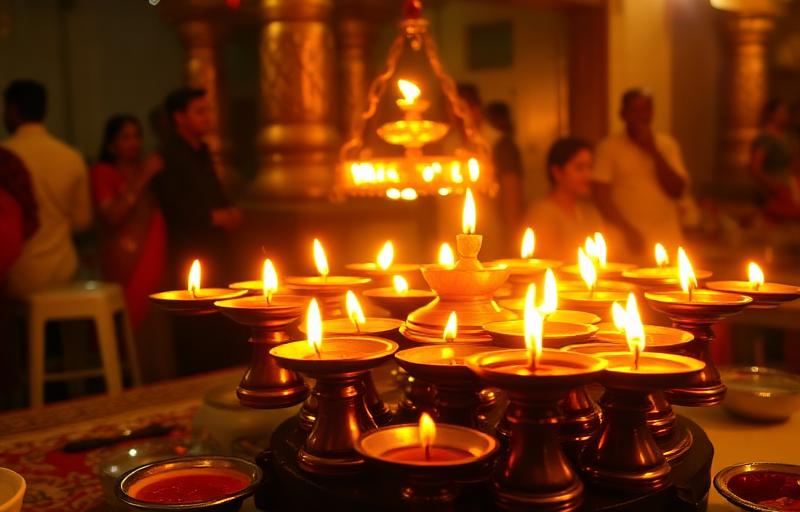
Keep ready: a kalash (copper or brass pot) with water, mango leaves and a coconut on top, an idol or image of Ganesh and Lakshmi, roli, kumkum, haldi, rice (akshat), flowers, incense, a ghee lamp, panchamrit, fresh milk for boiling, navadhanya (nine grains), betel leaves and nuts, sweets, and havan samagri if a havan is done. Also keep a new broom, and rangoli colours to decorate the entrance with auspicious patterns.
Step-by-Step Vidhi
A simple traditional vidhi: 1. Clean the home and decorate the entrance with rangoli, a toran of mango leaves and marigold flowers. 2. The couple or head of the family carries the kalash and enters with the right foot first, often led by the woman of the house. 3. Perform Ganesh puja first to remove obstacles, then Lakshmi puja for prosperity. 4. Conduct the Vastu shanti puja and, where done, a havan to purify the home and please the Vastu deity. 5. Boil milk in a new vessel in the kitchen until it rises and overflows, a sign of abundance, then cook a simple sweet dish. 6. Offer bhog, perform aarti, and share prasad and a meal with family and guests.
Kalash, Boiling Milk and Their Meaning
The kalash filled with water, topped with mango leaves and a coconut, symbolises the divine, abundance and auspicious beginnings; carrying it in is a way of welcoming Lakshmi into the home. Boiling milk until it overflows in the new kitchen is a much-loved ritual that symbolises prosperity, growth and a home that will never lack nourishment. The first meal cooked - often a sweet like kheer - is offered to the deities before the family eats.
Rules and Things to Avoid

Do: perform Griha Pravesh on a Panchang-chosen muhurat, enter with the right foot first, light a lamp that stays on through the day, and keep the kitchen and water flowing as the first signs of life in the home. Dont: move into a home before the puja, hold it during a pregnant woman's restricted months if tradition advises waiting, leave the home empty and dark on the first night, or skip the Vastu shanti for a brand-new house. Spend at least the first night in the home after the puja.
Frequently Asked Questions
What is Griha Pravesh?+
Griha Pravesh is the Hindu housewarming ceremony performed before a family lives in a new home. It purifies the home and invokes the blessings of Ganesh, Lakshmi and the Vastu deities for peace and prosperity.
What are the three types of Griha Pravesh?+
The three types are Apoorva (entering a newly built home for the first time), Sapoorva (re-entering after a long absence) and Dwandwah (re-entering a home repaired or rebuilt after damage).
Why is milk boiled during Griha Pravesh?+
Boiling milk until it overflows in the new kitchen symbolises prosperity, growth and a home that will never lack nourishment. The first dish cooked, often kheer, is offered to the deities first.
How is the Griha Pravesh muhurat decided?+
The muhurat is chosen as per the Panchang, looking at tithi, nakshatra, day, lagna and month, and avoiding inauspicious periods. For the right date and time, refer to the Vandnaa Panchang rather than fixing a day at random.
What is Vastu shanti in Griha Pravesh?+
Vastu shanti is a puja, often with a havan, to purify the new home and please the Vastu Purush, the deity of the dwelling. It is most important for a brand-new (Apoorva) home to ensure harmony and protection.
Should one spend the first night in the new home?+
Yes. After the puja, the family should spend at least the first night in the home and avoid leaving it empty and dark. A lamp is kept lit and the kitchen and water are kept active as the first signs of life.
About the author
Dr. Suresh Iyer · Vastu Shastra & Jyotish, 18+ years
Dr. Suresh has practiced traditional Vastu and basic Vedic Jyotish for over 18 years across South India. He contributes the Vastu, direction, and home-puja layout guides on Vandnaa.
Meet the Vandnaa editorial team →Explore on Vandnaa
Related Articles

Home Mandir Setup - Direction, Vastu Rules, Dos and Don'ts
9 min read
Lakshmi Aarti Lyrics – Om Jai Lakshmi Mata (लक्ष्मी आरती)
8 min read
Ganesh Aarti Lyrics – Jai Ganesh Deva (गणेश आरती)
8 min read
Panchamrit - Meaning, 5 Ingredients, Significance & Puja Vidhi
8 min read
Namkaran Sanskar - Vidhi, Significance and Muhurat
9 min read
Bindi - Spiritual Significance and the Third Eye
8 min read