What Is Namkaran Sanskar
Namkaran (from nama, name, and karan, to make) is the Hindu naming ceremony for a newborn child. It is one of the sixteen sanskaras (shodasha sanskara) - the sacred rites that mark the milestones of life from conception to death. Through Namkaran, the child is formally given a name, blessed by elders and deities, and welcomed as a member of the family and the wider community.
Significance of the Naming Ceremony
A name is believed to shape a person's identity and even subtly influence their nature and destiny, so it is chosen with great care. The ceremony invokes the blessings of the deities and ancestors for the child's long life, health and good character. It also strengthens the bond of the family, as relatives gather to bless the newborn. In essence, Namkaran gives the child both an identity and a circle of love and protection.
When Is Namkaran Done and the Muhurat
Traditionally Namkaran is performed on the eleventh or twelfth day after birth, once the sutak (impurity period following childbirth) ends. Some families hold it on the tenth day, the hundredth day or the first birthday, as per custom and convenience. The exact muhurat is chosen as per the Panchang - the tithi, nakshatra, day and lagna - avoiding inauspicious periods. For the right date and timing for your family, refer to the Vandnaa Panchang rather than fixing a day at random.
Choosing the Name by Nakshatra
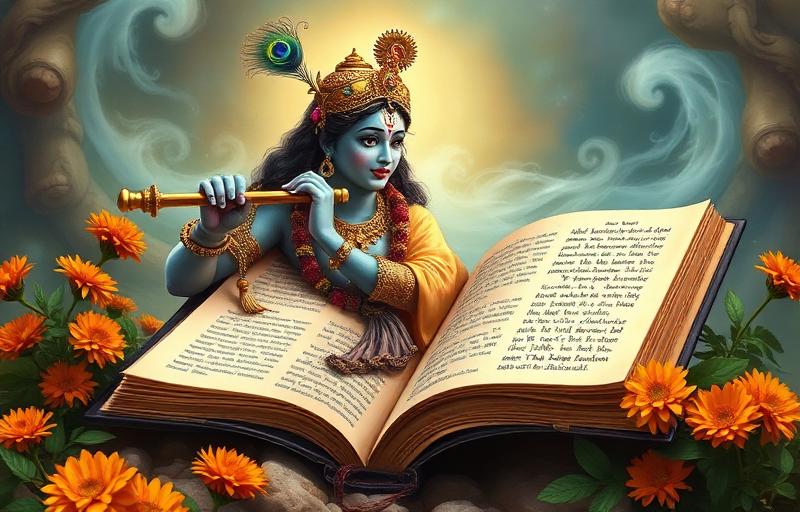
A unique feature of Hindu naming is the nakshatra-based syllable. Each of the 27 nakshatras is divided into four padas (quarters), and each pada is linked to a specific syllable (akshara). Based on the moon's position at birth, the family priest gives the naam akshar - the first sound the name should begin with. Many families choose this nakshatra name and a separate everyday name. This is believed to align the child's name with their birth star for harmony and good fortune.
Step-by-Step Vidhi
A simple traditional vidhi: 1. Clean the home and bathe the mother and child; the baby is dressed in new clothes. 2. Perform Ganesh puja and a kalash sthapana, then invoke the family deity and ancestors. 3. The priest performs a small havan and chants Vedic mantras for the child's wellbeing. 4. The father (or a chosen elder) whispers the chosen name into the child's right ear, often four times. 5. The name is announced aloud to the gathered family. 6. Elders bless the child by placing rice, kumkum or a gentle touch on the head, followed by sweets and a meal.
Samagri and a Blessing Mantra
Common samagri includes a kalash, mango leaves, coconut, roli, rice (akshat), flowers, new clothes for the baby, sweets, ghee and havan samagri if a havan is done. A widely loved blessing is the Gayatri Mantra, chanted for the child's wisdom and protection:
Om Bhur Bhuvah Svah, Tat Savitur Varenyam, Bhargo Devasya Dhimahi, Dhiyo Yo Nah Prachodayat.
Keep the gathering loving and calm, as the child's first ceremony should be filled with peace.
Dos and Donts

Do: wait until the sutak period ends, choose the name and muhurat as per the Panchang, keep the baby comfortable, and involve elders for blessings. Dont: rush the ceremony on an inauspicious day, expose the newborn to crowds or loud noise, or choose a name only for fashion while ignoring its meaning. A gentle, devotional atmosphere matters more than grandeur.
What People Ask Most
What is Namkaran Sanskar?+
Namkaran is the Hindu naming ceremony, one of the sixteen sanskaras. The newborn is formally given a name, blessed by elders and deities, and welcomed into the family and community.
On which day is Namkaran usually done?+
It is traditionally performed on the eleventh or twelfth day after birth, once the sutak period ends. Some families choose the tenth day, hundredth day or first birthday, with the muhurat set by the Panchang.
How is the first syllable of the name chosen?+
The first syllable is often based on the child's birth nakshatra. Each nakshatra has four padas, each linked to a syllable, and the priest gives the naam akshar from the moon's position at birth.
How is the muhurat for Namkaran decided?+
The muhurat is chosen as per the Panchang - the tithi, nakshatra, day and lagna - avoiding inauspicious periods. For the right date and timing, refer to the Vandnaa Panchang rather than fixing a day at random.
What samagri is needed for Namkaran?+
Common samagri includes a kalash, mango leaves, coconut, roli, rice, flowers, new clothes for the baby, sweets, ghee and havan samagri if a havan is performed by the priest.
Can both a nakshatra name and a common name be kept?+
Yes. Many families keep a nakshatra-based name aligned with the birth star for rituals, along with a separate everyday name used in daily life. Both are common and accepted.
About the author
Anjali Mehta · Editor, M.A. Religious Studies
Anjali is the managing editor for Vandnaa and oversees the festival and vrat coverage. She holds an M.A. in Religious Studies and reviews every published article for accuracy, accessibility, and tradition-fidelity.
Meet the Vandnaa editorial team →Explore on Vandnaa
Related Articles

Mundan Sanskar - Vidhi, Significance and Muhurat
9 min read
Upanayana (Janeu) Sanskar - Vidhi and Significance
10 min read
Griha Pravesh Puja - Vidhi, Muhurat and Rules
10 min read
Bindi - Spiritual Significance and the Third Eye
8 min read
Gayatri Mantra Meaning, Benefits & How to Chant (गायत्री मंत्र)
12 min read
Panchamrit - Meaning, 5 Ingredients, Significance & Puja Vidhi
8 min read