What Is Mundan Sanskar
Mundan, traditionally called Chudakarana, is the ceremony of removing a child's first hair (the hair grown in the womb). It is one of the sixteen sanskaras and marks an important early milestone in a child's life. The hair from birth is offered as a symbolic surrender, and the fresh hair that grows after is seen as a new beginning of health and strength. It is performed for both boys and girls.
Significance of Mundan
Mundan is believed to remove the impurities and negativity carried from the womb and from past lives, purifying the child for a fresh start. Removing the birth hair is also thought to keep the scalp healthy and help new, stronger hair grow. Spiritually, it is an act of tyaga (letting go) and gratitude, offering the child's first hair to the divine or a sacred river. Above all, it is a prayer for the child's long life, good health and bright future.
The Right Age for Mundan
Mundan is traditionally performed in an odd year of the child's life - most commonly at the completion of the first or third year, and sometimes the fifth or seventh. Even-numbered ages are generally avoided as per custom. Many families wait until the child is strong enough to sit calmly. Some perform it earlier as a vow to a family deity. Whatever the age, the child's comfort and health should always come first.
Where It Is Done and the Muhurat
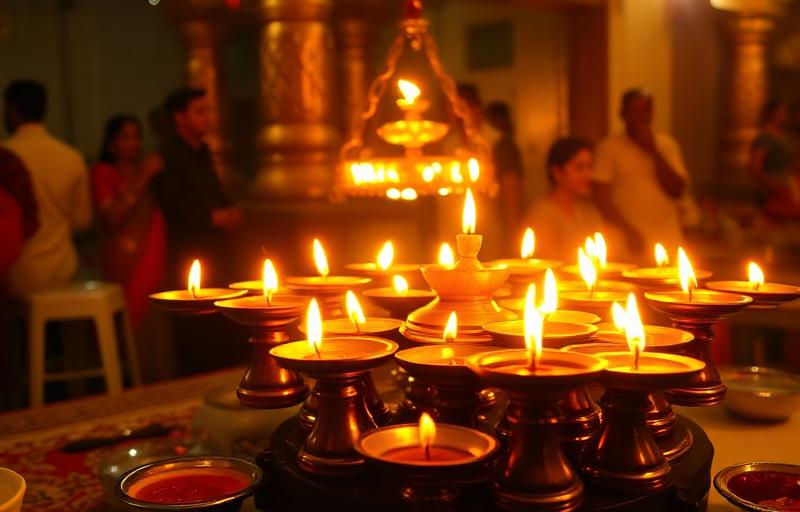
Mundan is often performed at home, but many families take a vow to do it at a temple or sacred Mundan site - such as a kuldevi or kuldevta temple, Tirupati, Vaishno Devi, or the banks of a holy river - where the hair is offered. The muhurat is chosen as per the Panchang, considering the tithi, nakshatra and day, and avoiding inauspicious periods. For the right date and time for your child, refer to the Vandnaa Panchang rather than fixing a day at random.
Step-by-Step Vidhi
A simple traditional vidhi: 1. Bathe the child and dress them in new or clean clothes; the family gathers. 2. Perform Ganesh puja and invoke the family deity for the child's wellbeing. 3. The priest chants mantras while a small havan is lit. 4. The maternal uncle (mama) or father gently holds the child as the first lock of hair is cut by the elder, then the barber shaves the head carefully. 5. The shaved head is washed and a paste of sandalwood or turmeric may be applied to soothe the scalp. 6. The hair is collected and offered to the deity, a sacred river or buried respectfully, followed by aarti and a meal.
Samagri and Things to Keep Ready
Keep ready: a kalash with water, mango leaves, coconut, roli, rice (akshat), flowers, ghee and havan samagri, new clothes for the child, sweets, and a clean razor or a trusted barber. Sandalwood paste, turmeric or a mild antiseptic helps soothe the scalp afterwards. Have the child fed and rested before the ceremony, and keep a favourite toy or comfort item close so the little one stays calm throughout.
Dos and Donts
Do: choose an odd year and a muhurat as per the Panchang, keep the child fed and calm, use clean instruments, and handle the scalp gently. Dont: force a frightened or unwell child, perform it on an inauspicious day, use harsh blades carelessly, or expose the freshly shaved head to harsh sun or cold immediately. The child's safety and comfort always come before ritual perfection.
Common Questions From Devotees
What is Mundan Sanskar?+
Mundan, also called Chudakarana, is the ceremony of removing a child's first hair grown in the womb. It is one of the sixteen sanskaras and is believed to purify the child and bless them with health.
At what age is Mundan performed?+
Mundan is traditionally performed in an odd year, most commonly at the completion of the first or third year, and sometimes the fifth or seventh. Even-numbered ages are generally avoided.
Where can Mundan be done?+
It can be done at home, but many families take a vow to perform it at a temple or sacred Mundan site, such as a kuldevta temple, Tirupati, Vaishno Devi, or a holy riverbank where the hair is offered.
How is the Mundan muhurat decided?+
The muhurat is chosen as per the Panchang, considering tithi, nakshatra and day, and avoiding inauspicious periods. For the right date and time, refer to the Vandnaa Panchang rather than fixing a day at random.
Is Mundan done for both boys and girls?+
Yes. Although customs vary by region and family, Mundan is traditionally performed for both boys and girls as a purifying first-hair ceremony and a prayer for the child's health and long life.
What is done with the hair after Mundan?+
The collected hair is offered to the family deity, immersed in a sacred river, or buried respectfully. It is seen as a symbolic surrender and a gesture of gratitude for the child's wellbeing.
About the author
Anjali Mehta · Editor, M.A. Religious Studies
Anjali is the managing editor for Vandnaa and oversees the festival and vrat coverage. She holds an M.A. in Religious Studies and reviews every published article for accuracy, accessibility, and tradition-fidelity.
Meet the Vandnaa editorial team →Explore on Vandnaa
Related Articles
Namkaran Sanskar - Vidhi, Significance and Muhurat
9 min read
Upanayana (Janeu) Sanskar - Vidhi and Significance
10 min read
Griha Pravesh Puja - Vidhi, Muhurat and Rules
10 min read
Bindi - Spiritual Significance and the Third Eye
8 min read
Ganesh Aarti Lyrics – Jai Ganesh Deva (गणेश आरती)
8 min read
Gau Mata Puja - Significance, Benefits & Vidhi to Worship the Cow
9 min read