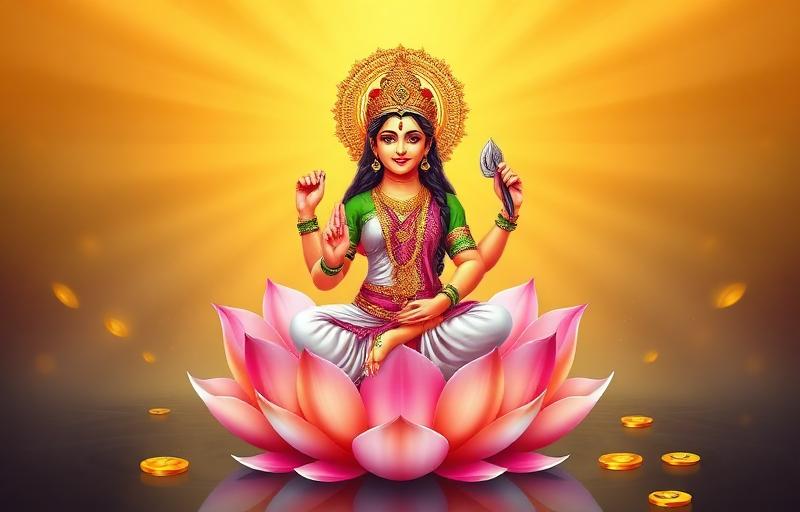
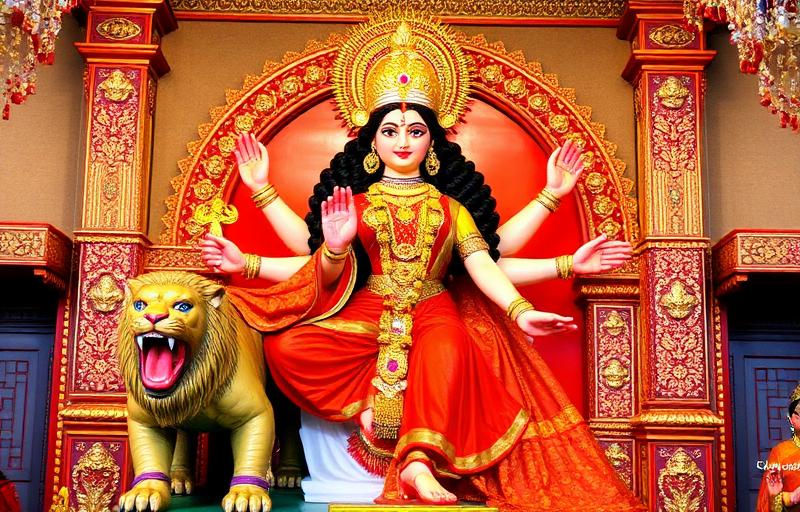
Who is Guhyeshwari
Guhyeshwari (also spelled Guhjeshwari) is one of the most revered Shakti Peethas, located in Kathmandu, Nepal, just a short distance from the great Pashupatinath Temple on the banks of the Bagmati river. The name Guhyeshwari means 'the hidden goddess' or 'goddess of the secret place', reflecting how the deity here is worshipped in a concealed, formless aspect rather than through an elaborate idol.
The temple's link with the neighboring Pashupatinath shrine, dedicated to Shiva, mirrors the eternal pairing of Shiva and Shakti found across the subcontinent's sacred geography.
The Legend Behind the Shrine
As per Shakti Peeth tradition, this site is associated with a part of Sati's body falling here after Lord Vishnu's Sudarshan Chakra cut through her form, following her sacrifice at Daksha's yagna. Some traditions hold that it is her knees, others her hidden secret parts, that fell at this spot, giving the shrine its name and its air of sacred mystery.
The presiding Bhairava associated with Guhyeshwari is worshipped as Kapali, continuing the pattern seen at Shakti Peethas of the goddess being flanked by a form of Shiva.
Significance and What Devotees Seek
Devotees regard Guhyeshwari as an especially potent site for seeking protection, inner strength and the removal of hidden obstacles in life, given the goddess's own hidden nature at this shrine. Pilgrims visiting Pashupatinath very often extend their visit to Guhyeshwari, treating the two shrines as a single, complete darshan of Shiva and Shakti together.
As per tradition:
- Devotees pray for protection from unseen difficulties
- The shrine is associated with deep, inward spiritual strength
- Visiting both Pashupatinath and Guhyeshwari together is considered especially auspicious
Worship here, as at every Shakti Peeth, is an act of faith and love, not a transaction.
Darshan Guide
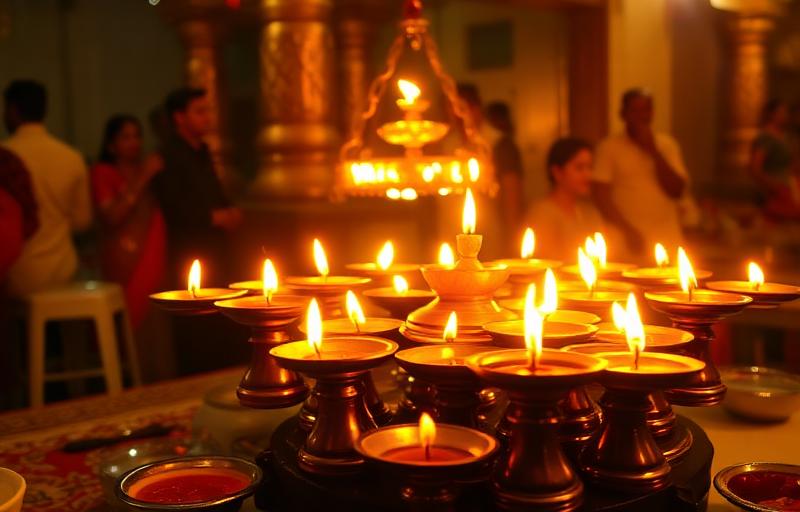
Guhyeshwari sees a steady flow of devotees throughout the year, with larger crowds during Navratri and other major Devi festivals, when special pujas are conducted. Many pilgrims visiting Pashupatinath during Shivratri also make it a point to have darshan of the goddess here.
As at many Shakti Peethas, non-Hindus have historically had restricted access to the innermost sanctum, and devotees are advised to check current temple norms and dress modestly and respectfully before visiting.
How to Reach
Guhyeshwari Temple is located in Kathmandu, within easy reach of the Pashupatinath temple complex, making it simple for pilgrims to combine both in a single visit. Kathmandu is well connected by air to major Indian cities, and the temple can be reached by a short taxi or auto-rickshaw ride from the city center.
Most pilgrims combine a visit here with the broader Kathmandu pilgrimage circuit, which includes Pashupatinath and other sacred sites along the Bagmati.
Mantra to Chant and a Closing Thought
Devotees offer their prayers to the goddess with the simple invocation: "Om Guhyeshwaryai Namah" (Salutations to the hidden Goddess Guhyeshwari)
This is often chanted quietly, reflecting the shrine's own hidden, understated character.
Guhyeshwari reminds devotees that divinity does not always announce itself loudly. Sometimes the deepest faith is found in what is hidden, quiet and formless, waiting only to be sought with a sincere heart.
Reader Questions Answered
What does the name Guhyeshwari mean?+
Guhyeshwari means 'the hidden goddess', reflecting how the deity at this shrine is worshipped in a concealed, formless aspect rather than through an elaborate idol.
How is Guhyeshwari connected to Pashupatinath?+
Guhyeshwari stands close to the Pashupatinath Temple in Kathmandu, and the two are traditionally visited together, representing the eternal pairing of Shiva and Shakti.
When is the best time to visit Guhyeshwari?+
Guhyeshwari can be visited throughout the year, though Navratri and other major Devi festivals see larger gatherings of devotees and special pujas.
About the author
Pandit Ravindra Sharma · Vedic Rituals & Bhakti, 22+ years
Pandit Ravindra is the Vandnaa editorial team's resident specialist on aarti, chalisa, and daily devotion. He has performed home and temple pujas across Varanasi and Delhi for over two decades and contributes the bhakti-focused articles on this site.
Meet the Vandnaa editorial team →