What Is the Guru Brahma Guru Vishnu Shloka
Guru Brahma Guru Vishnu Guru Devo Maheshwara is the most celebrated verse of guru vandana - salutation to the teacher - in the entire Sanskrit tradition. It opens the Guru Stotram, a hymn of praise to the guru drawn from the Guru Gita, which appears within the Skanda Purana as a dialogue between Lord Shiva and Devi Parvati. The shloka makes a startling claim: the guru is not merely like the gods - the guru is Brahma the creator, Vishnu the sustainer and Maheshwara (Shiva) the transformer, and beyond even them, the guru is sakshat para-brahma, the supreme reality standing visibly before us. Generations of students have recited it before lessons, musicians before practice, and disciples before their masters. On Guru Purnima, the full moon dedicated to teachers, this is the first verse chanted in homes, ashrams and schools across India.
Full Shloka in Sanskrit with Transliteration
Here is the complete shloka as it appears at the opening of the Guru Stotram:
गुरुर्ब्रह्मा गुरुर्विष्णुः गुरुर्देवो महेश्वरः । गुरुः साक्षात् परब्रह्म तस्मै श्रीगुरवे नमः ॥
IAST transliteration: gurur brahmā gurur viṣṇuḥ gurur devo maheśvaraḥ | guruḥ sākṣāt para-brahma tasmai śrī-gurave namaḥ ||
Overall meaning: The guru is Brahma, the guru is Vishnu, the guru is the god Maheshwara (Shiva). The guru is verily the supreme Brahman itself - to that revered guru, my salutations. The first line equates the guru with the Trimurti, the three cosmic functions of creation, preservation and dissolution. The second line goes further still - beyond all forms and functions, the guru is identified with the formless absolute. The verse then ends in the simplest possible act: namaḥ, a bow.
Word-by-Word Meaning of Guru Brahma Guru Vishnu
Here is the word-by-word meaning of the shloka: 1. guruḥ - the guru, the spiritual teacher (literally, the remover of darkness - gu meaning darkness, ru meaning remover) 2. brahmā - Brahma, the creator among the Trimurti 3. viṣṇuḥ - Vishnu, the sustainer and preserver 4. devaḥ - god, divine being 5. maheśvaraḥ - Maheshwara, the great lord, a name of Shiva the transformer 6. sākṣāt - directly, verily, in visible manifest form 7. para-brahma - the supreme Brahman, the absolute reality beyond all forms 8. tasmai - to that, unto that 9. śrī-gurave - to the revered, auspicious guru 10. namaḥ - salutation, bow, reverence The traditional etymology of guru is itself the key to the verse - the one who removes (ru) the darkness (gu) of ignorance performs, for the disciple, the work of all three gods at once.
The Deeper Meaning - Why the Guru Is the Trimurti
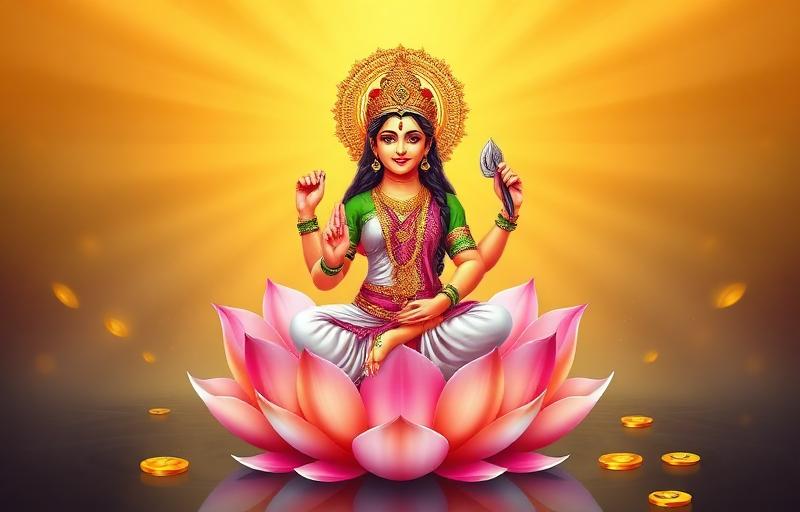
The comparison with the Trimurti is precise, not poetic exaggeration. Like Brahma, the guru creates - a new vision of life is born in the disciple, a second birth into knowledge, which is why the initiated are called dvija, twice-born. Like Vishnu, the guru sustains - protecting the disciple's growth through doubt, failure and distraction, year after patient year. Like Maheshwara, the guru destroys - not the disciple, but the disciple's ignorance, ego and limiting beliefs, the inner clutter that must dissolve before truth can be seen. And the second line guards against a final error - thinking the guru's body or personality is the point. Sakshat para-brahma declares that what shines through a true guru is the same absolute reality that pervades everything. Honouring the guru, the disciple is really bowing to truth itself, made accessible in human form.
The Guru Purnima Connection
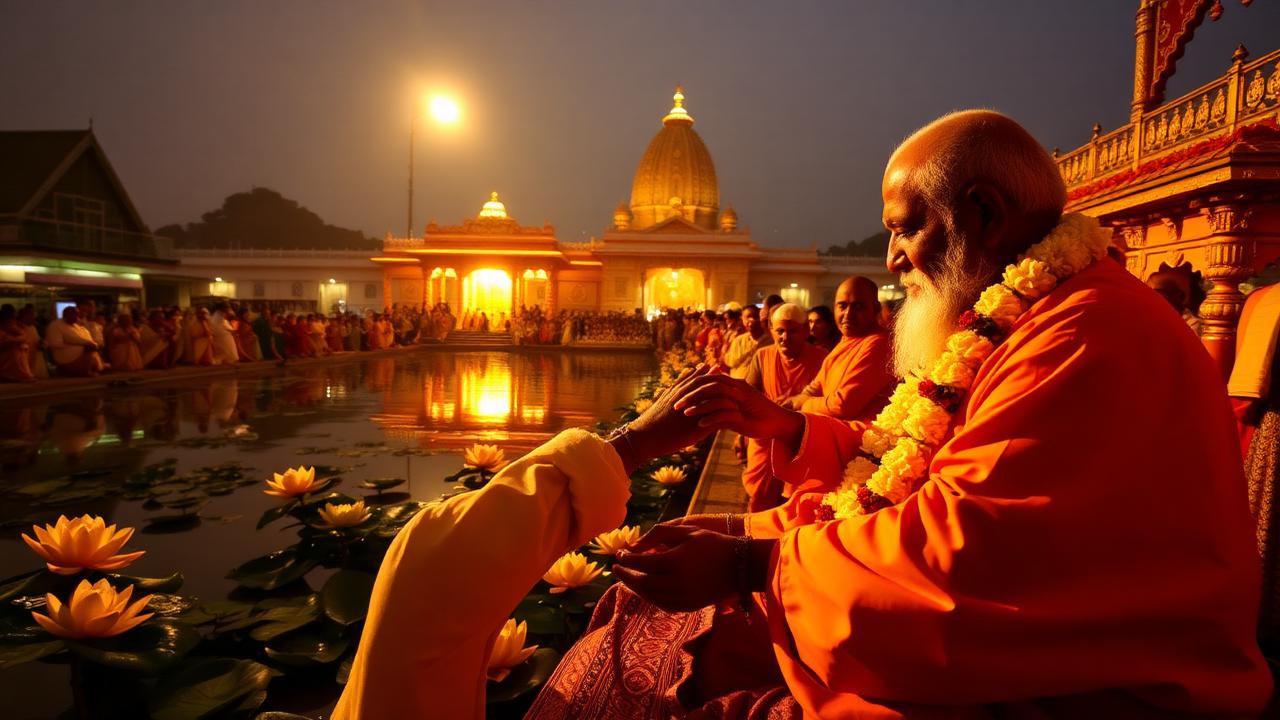
This shloka is inseparable from Guru Purnima, the full moon of the Ashadha month dedicated entirely to honouring teachers. The day is also called Vyasa Purnima, marking the birth of Ved Vyasa, the sage who compiled the Vedas and composed the Mahabharata, revered as the adi guru - the first teacher - of the tradition. On Guru Purnima morning, disciples bathe, offer flowers, fruit and cloth to their guru or to the guru's image or paduka (sandals), and the worship invariably opens with Guru Brahma Guru Vishnu. Students honour school teachers, musicians their ustads, and spiritual seekers their diksha gurus. Those without a living guru chant the shloka before Vyasa, their ishta devata, or simply the principle of guidance itself. The shloka turns the festival from mere gratitude into recognition - for one day, every teacher is consciously seen as a window to the Divine.
When and How to Chant the Guru Shloka
The Guru shloka has a natural place in many settings: 1. Before study or practice - students traditionally chant it once before opening books, and musicians and dancers before riyaz, invoking the lineage of teachers. 2. Morning puja - include it after invoking Ganesha, as the guru's blessing is held to make all other worship fruitful. 3. Guru Purnima - chant it 11, 21 or 108 times as the centrepiece of guru puja on the Ashadha full moon. 4. School assembly - it is among the most common assembly shlokas in Indian schools, honouring teachers daily. 5. Before meditation - one recitation bows to the inner guru before the practice of silence begins. Chant with folded hands, ideally facing your guru, a guru's image, or north. Pronounce gurur with a clear short ending and pause briefly at the danda (।) between lines. Sincerity of the bow matters more than melody.
Who Is a Guru Today - Teachers, Parents and Mentors
A common question is whether this shloka applies only to a formal diksha guru. Tradition answers generously. The scriptures themselves name multiple gurus - the mother is the first guru, the father the second, the teacher the third. Dattatreya, the great avadhuta, famously counted twenty-four gurus, including the earth, the river and the honeybee, because he learned from each. The deeper principle is that guru names a function, not only a person: whatever genuinely removes your darkness is, in that moment, your guru. So a school teacher who awakens curiosity, a grandmother who teaches prayer, a mentor who corrects your course, even a hard experience that matures you - all carry a spark of the guru tattva. Chanting Guru Brahma with this understanding keeps the heart teachable. The shloka also sets the standard for discernment - honour as guru that which leads you toward light, never toward dependence or fear.
Benefits of Chanting the Guru Shloka
Regular chanting of Guru Brahma Guru Vishnu carries benefits that the tradition has prized for centuries: 1. Humility before learning - beginning study with a bow keeps the mind open; an arrogant mind learns nothing. 2. Gratitude practice - daily remembrance of teachers counters the modern habit of taking guidance for granted. 3. Steady faith - honouring the guru principle gives the seeker a fixed point of trust through the ups and downs of practice. 4. Stronger student-teacher bond - children who chant it at school approach teachers with respect, which transforms how they receive instruction. 5. Spiritual protection - tradition holds that the guru's blessing, invoked sincerely, removes obstacles on the path the way light removes darkness. The shloka takes ten seconds to recite. Practised daily, those ten seconds slowly reshape one's whole relationship to knowledge - from consuming information to receiving wisdom with reverence.
What People Ask Most
What is the meaning of Guru Brahma Guru Vishnu in one line?+
It means: the guru is Brahma, Vishnu and Maheshwara (Shiva), and verily the supreme Brahman itself - to that revered guru I bow. The teacher who removes ignorance embodies all divine functions.
Which scripture is Guru Brahma Guru Vishnu from?+
It is the opening verse of the Guru Stotram, drawn from the Guru Gita, which appears in the Skanda Purana as a dialogue between Lord Shiva and Devi Parvati on the glory of the guru.
Why is the guru compared to Brahma, Vishnu and Shiva?+
Because the guru performs all three cosmic functions for the disciple - creating new knowledge like Brahma, sustaining the disciple's growth like Vishnu, and destroying ignorance and ego like Shiva.
Can I chant this shloka for my school teacher or parents?+
Yes. Tradition regards the mother as the first guru and honours every genuine teacher. The shloka may be offered to school teachers, parents, mentors or any guide who removes the darkness of ignorance from your life.
When should the Guru shloka be chanted?+
Daily before study, practice or meditation, during morning puja, and especially on Guru Purnima, the Ashadha full moon dedicated to teachers, when it is chanted 11, 21 or 108 times during guru puja.
What does sakshat para-brahma mean in this shloka?+
Sakshat means directly or visibly, and para-brahma is the supreme formless reality. The phrase declares that the true guru is not merely a representative of God but the supreme reality itself, made directly accessible to the disciple in human form.
About the author
Acharya Vinaya Kapoor · M.A. Sanskrit, Mantra & Stotra Studies
Acharya Vinaya holds an M.A. in Sanskrit from Banaras Hindu University and writes the mantra and stotra commentary on Vandnaa. Her focus is on accurate pronunciation, traditional context, and helping modern readers connect with classical texts.
Meet the Vandnaa editorial team →