What Is Guru-Shishya Parampara?
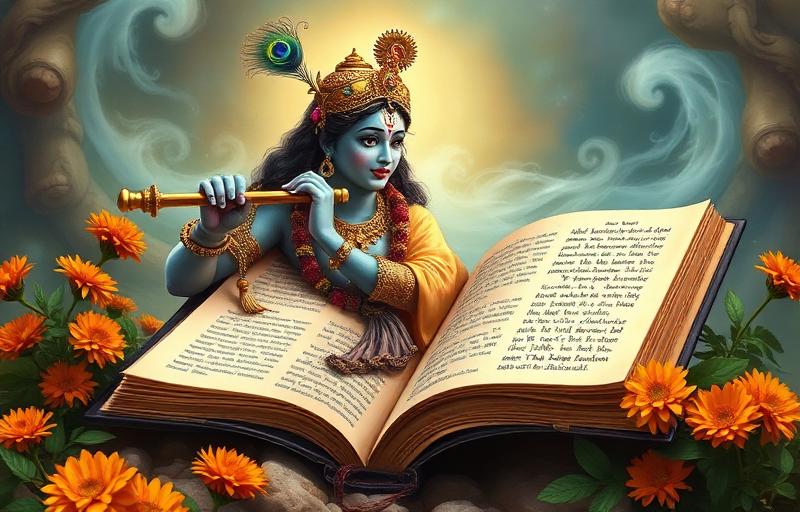
Guru-Shishya Parampara is the sacred teacher-disciple tradition of Hinduism - the time-honoured way in which spiritual knowledge passes directly from a guru (teacher) to a shishya (disciple). Guru means 'one who removes darkness' (gu = darkness, ru = remover), and parampara means an unbroken succession handed down from one generation to the next.
In this tradition, true knowledge is not gained from books alone but received living, heart to heart, from a realised teacher. The guru not only imparts teachings but guides, corrects and awakens the disciple, while the shishya offers humility, service and trust.
This is why Hindu culture holds the guru in the highest reverence - sometimes spoken of in the same breath as God, for it is the guru who points the way to the divine.
Qualities of Guru and Shishya
The tradition rests on the worthiness of both the teacher and the seeker.
A true guru (sad-guru):
- Has direct, lived knowledge of the truth, not mere book-learning.
- Is established in dharma, self-control and compassion.
- Teaches selflessly, seeking the disciple's growth, not personal gain.
- Patiently meets each disciple at their own level.
A worthy shishya:
- Approaches with shraddha (faith) and humility.
- Offers seva (selfless service) to the guru.
- Listens deeply, reflects and practises the teaching.
- Is sincere, disciplined and free of ego and pretence.
When a sincere disciple meets a true guru, knowledge flows naturally. The scriptures say the seeker should approach the guru with humility, with questions, and with service (Bhagavad Gita 4.34).
Scriptural Basis & Lineages
The guru-disciple bond runs through the whole of Hindu scripture:
- Upanishads: The very word upanishad suggests 'sitting near' the teacher. These texts are dialogues between guru and shishya - like Yajnavalkya and Maitreyi, or Uddalaka and Shvetaketu.
- Bhagavad Gita: Arjuna becomes Krishna's disciple, saying shishyas te aham shadhi mam - 'I am your disciple; teach me' (2.7).
- Guru Gita: Part of the Skanda Purana, it sings the glory of the guru.
- The famous shloka: Gurur Brahma, Gurur Vishnu, Gurur Devo Maheshwara - 'The guru is Brahma, Vishnu and Shiva' - honours the teacher as the very form of the Trinity.
Whole spiritual lineages (sampradayas) - of the Acharyas, the Nathas, the Dashanami order founded by Adi Shankaracharya, and countless others - have carried their teachings unbroken through this parampara.
Why the Tradition Still Matters
In an age of endless information, the guru-shishya tradition reminds us of something deeper:
- Knowledge needs a living example. A teacher who has walked the path can show what no book can - how to live the truth, not just read it.
- The guru removes doubt. When a sincere question meets a wise heart, confusion clears in a way self-study rarely achieves.
- Humility opens the door. The shishya's reverence and service soften the ego, the very obstacle on the spiritual path.
- It preserves wisdom. This unbroken chain has carried the Vedas, the philosophies, music, dance and the inner sciences across millennia.
Even today, Guru Purnima is celebrated to honour the guru. The deepest guru, the tradition says, is finally within - but a true outer teacher awakens us to that inner light. Where a worthy guru is found, the path becomes clear; until then, the scriptures and saints serve as guides.
Reader Questions Answered
What does Guru-Shishya Parampara mean?+
It is the Hindu teacher-disciple tradition through which spiritual knowledge passes directly and unbroken from a guru to a shishya. Guru means 'remover of darkness' and parampara means an unbroken succession handed down through generations.
Why is the guru held so high in Hinduism?+
Because the guru removes inner darkness and points the way to the divine. The famous shloka 'Gurur Brahma, Gurur Vishnu, Gurur Devo Maheshwara' honours the guru as the very form of the Trinity, for it is the guru who reveals the path to God.
What qualities should a true disciple have?+
A true shishya approaches with shraddha (faith) and humility, offers selfless service (seva), listens and reflects deeply, and is sincere and free of ego. The Gita advises approaching the guru with humility, questions and service.
Which festival honours the guru?+
Guru Purnima, on the full moon of the Ashadha month, is celebrated to honour one's guru and the great teachers, especially Sage Vyasa. Disciples express gratitude through service, prayer and offerings to their guru on this day.
About the author
Pandit Ravindra Sharma · Vedic Rituals & Bhakti, 22+ years
Pandit Ravindra is the Vandnaa editorial team's resident specialist on aarti, chalisa, and daily devotion. He has performed home and temple pujas across Varanasi and Delhi for over two decades and contributes the bhakti-focused articles on this site.
Meet the Vandnaa editorial team →