Guruvar: Devotion to Vishnu and Brihaspati Dev
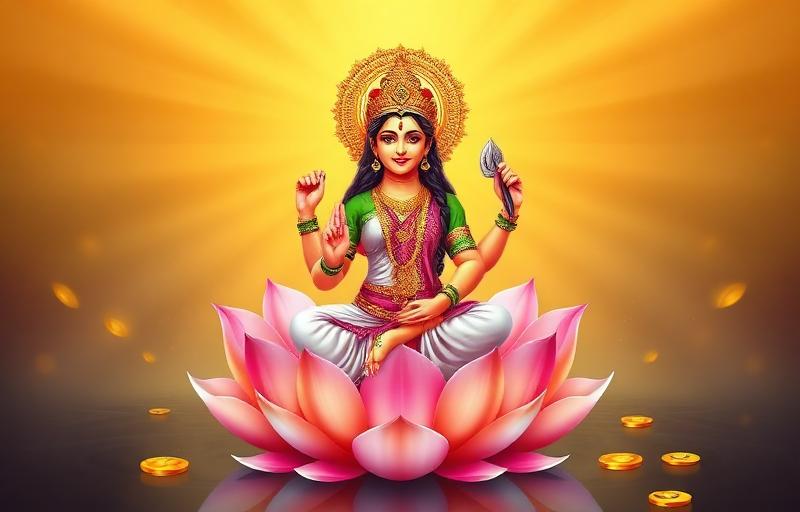
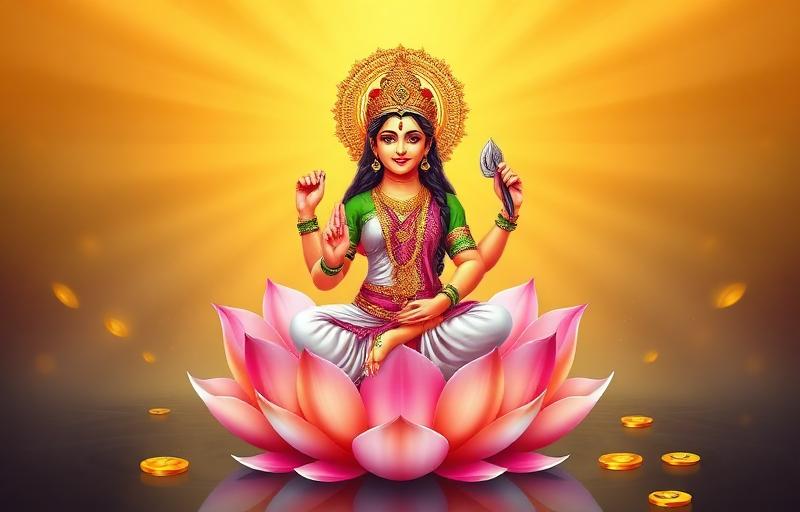
Thursday, Guruvar or Brihaspativar, is dedicated to Lord Vishnu, the preserver and sustainer of the universe, and to Brihaspati Dev, the divine guru and teacher of the gods. The day celebrates wisdom, right conduct, prosperity that comes from dharma, and gratitude to one's teachers and elders. The colour of the day is yellow, the colour of knowledge, auspiciousness and Vishnu's pitambar (golden robe).
Keeping the Guruvar vrat is, above all, an act of joyful devotion and thanksgiving. Devotees turn the day towards generosity, study, respect for gurus, and worship of the family deity Lord Vishnu in forms such as Narayan, Vasudev or Satyanarayan. In the devotional spirit, this fast is not about predicting fortune but about nurturing the inner qualities Brihaspati represents - wisdom, patience, fairness and humility - and the open-handed kindness that the vrat katha so memorably teaches.
The Brihaspativar Vrat Katha: The King and the Lazy Queen
The famous katha tells of a generous, devout king who kept the Brihaspativar vrat, donated freely to brahmins and the poor, and prospered greatly. His queen, however, was idle and miserly; she disliked his charity and felt the wealth was being wasted. While the king was away, Brihaspati Dev, disguised as a sadhu, came to the queen and asked her to give in charity and keep the vrat. The queen refused, scattered the grain, and turned the holy man away.
Displeased by her pride and stinginess, fortune slipped from the household, and hard times followed. Humbled and repentant, the queen and the king's family sought guidance, learned the proper Guruvar vrat, and began keeping it with sincerity - donating chana dal, jaggery and yellow items, feeding brahmins, and worshipping Brihaspati. Pleased by their genuine devotion and generosity, Brihaspati Dev restored their happiness and abundance. The katha's lesson is purely devotional: charity, humility and faith bring grace, while pride and miserliness drive it away. The vrat is a practice of open-hearted giving.
Puja Vidhi: Yellow Items, Chana Dal, Haldi and Kela Tree
The Guruvar puja glows with yellow, the colour beloved of Vishnu and Brihaspati. A traditional vidhi:
1. Rise early, bathe, and wear clean yellow clothes if possible. 2. Take a sankalp to keep the day with devotion, study and generosity. 3. Worship Lord Vishnu or Brihaspati Dev with yellow flowers, yellow sandal (haldi-chandan) tilak, and yellow sweets; offer chana dal and jaggery (gud) and a few pieces of banana. 4. Light a ghee diya and offer incense, then recite the Vishnu or Brihaspati mantra and the vrat katha. 5. Worship the banana (kela) tree, considered dear to Brihaspati: apply a haldi tilak to its trunk, offer water mixed with turmeric, chana dal and jaggery, light a diya, and circumambulate it with reverence. 6. Conclude with aarti, then distribute yellow prasad and donate chana dal, yellow cloth or food to brahmins and the needy.
The heart of the vidhi is daan in the spirit of the katha - giving generously and feeding others, especially with yellow items, transforms the day from ritual into living devotion.
Mantras for Vishnu and Brihaspati
For Lord Vishnu, the most beloved mantra is the great twelve-syllable mantra:
ॐ नमो भगवते वासुदेवाय
Om Namo Bhagavate Vasudevaya - "I bow to Lord Vasudeva (Vishnu)." Equally cherished is the simple ॐ विष्णवे नमः (Om Vishnave Namah), "I bow to Vishnu."
For Brihaspati Dev, the guru of the gods, the traditional prayer is:
ॐ बृं बृहस्पतये नमः
Om Brim Brihaspataye Namah - "I bow to Brihaspati," with Brim as his seed sound. A beautiful Vedic vandana is:
देवानां च ऋषीणां च गुरुं काञ्चनसन्निभम्। बुद्धिभूतं त्रिलोकेशं तं नमामि बृहस्पतिम्॥
Devanam Cha Rishinam Cha Gurum Kanchana-sannibham, Buddhi-bhutam Trilokesham Tam Namami Brihaspatim.
Meaning: "I bow to Brihaspati, guru of the gods and sages, golden-hued, the embodiment of wisdom, lord of the three worlds." Chant one mala (108) of either mantra with a tulsi mala, ideally during the Brahma muhurat or before the morning puja. Many also read a chapter of the Vishnu Sahasranama or sing the Guruvar aarti.
What to Eat: Yellow Food and Fasting Customs
The Guruvar vrat is famous for its yellow foods. Devotees commonly eat a single meal of yellow items: chana dal, besan, yellow moong, dishes coloured with turmeric, ripe bananas, and yellow sweets such as besan ladoo or kesar-tinted sweets. Many take this meal once a day, often before sunset, after the puja and katha. Some keep a lighter fast on fruit, milk and yellow items through the day.
A widely followed custom is to avoid salt on this day, and many do not eat bananas themselves if bananas have been offered to the tree and deity - instead they donate or share them. Generally avoid heavy, fried, tamasic food, alcohol and non-vegetarian items, keeping the meal simple and sattvic. As always, choose a level of fasting suited to your health: a fruit-and-yellow-food observance is perfectly valid. The point is not severity but devotion - eating with gratitude, sharing food generously, and keeping the heart light and giving, just as the vrat katha teaches.
Benefits and Niyam, Including the No-Washing Belief
Approached devotionally, the Guruvar vrat nurtures generosity, gratitude, respect for teachers, and a steady, dharmic outlook on prosperity. Devotees find that a weekly day of giving, study and calm worship brings contentment, gentler family relations, and a habit of sharing one's good fortune - genuine fruits of the practice, distinct from any predictive claim.
A well-known traditional niyam is that women, in particular, avoid washing their hair and avoid washing clothes on Thursday, and some avoid cutting hair or nails. This is a custom of respect for the day of the guru rather than a rule of fortune; it is observed as a sign of reverence and is not obligatory for everyone. Other niyam include keeping the same simple routine each Thursday, completing the puja and katha before the single meal, speaking kindly, and continuing the vrat for a set number of weeks (often 16) with a concluding udyapan. Keep the fast within your physical capacity - children, the unwell and pregnant women should observe lightly or do only the puja and daan.
What People Ask Most
Which deity is the Guruvar vrat dedicated to?+
Guruvar, or Brihaspativar, is dedicated to Lord Vishnu, the preserver of the universe, and to Brihaspati Dev, the divine guru and teacher of the gods. The day honours wisdom, right conduct, gratitude to teachers, and dharmic prosperity. Yellow is its colour, reflecting Vishnu's golden pitambar and the auspiciousness of knowledge. Devotees worship Vishnu in forms like Narayan or Satyanarayan alongside Brihaspati.
What is the lesson of the king and lazy queen katha?+
The katha teaches that charity, humility and faith attract grace, while pride and miserliness drive it away. The generous king prospered through giving, but his idle, stingy queen refused charity and even turned away a holy man, so fortune slipped from the household. Only when the family humbly resumed the vrat with genuine generosity did Brihaspati restore their abundance. The vrat is therefore a practice of open-hearted giving and gratitude.
Why is yellow so important on Thursday?+
Yellow is the colour of Lord Vishnu's pitambar (golden robe) and of Brihaspati, and it symbolises knowledge, auspiciousness and warmth. On Guruvar, devotees wear yellow, offer yellow flowers, apply a haldi tilak, offer chana dal and jaggery, and eat yellow foods like besan dishes and bananas. Using yellow throughout the day's worship keeps the heart and surroundings aligned with the bright, generous, knowledge-loving spirit of the deities.
Why do some people avoid washing hair or clothes on Thursday?+
This is a traditional custom of reverence for Guruvar, the day of the guru - many women in particular avoid washing their hair and clothes, and some avoid cutting hair or nails. It is observed as a mark of respect rather than a rule about fortune, and it is not obligatory for everyone. If your circumstances require otherwise, you can keep the spirit of the day through devotion, charity and the puja, without anxiety over the custom.
What should I eat during the Guruvar vrat?+
Yellow foods are central: chana dal, besan dishes, yellow moong, turmeric-coloured food, ripe bananas, and yellow sweets like besan ladoo. Many eat a single meal, often before sunset after the puja and katha; some keep a lighter fruit-and-milk fast. It is common to avoid salt and to share or donate any bananas offered to the tree rather than eating them. Avoid fried, tamasic and non-vegetarian food, and choose a level suited to your health.
How long should the Guruvar vrat be kept?+
Many devotees keep the vrat for a fixed number of consecutive Thursdays - 16 is a common count - and then perform a concluding udyapan with extra puja, charity and a feast for brahmins or the needy. Others simply keep it every Thursday as an ongoing weekly devotion. There is no single rule; take a sincere sankalp for whatever period you can maintain, keep the fast within your physical capacity, and let generosity and gratitude be the constant thread throughout.
About the author
Pandit Mahesh Trivedi · Festival Traditions & Panchang
Pandit Mahesh leads the festival-date and Panchang content on Vandnaa. He cross-references multiple regional panchangs (Drik, Vaishnava, Bengali, Marathi) for every festival date published on the site.
Meet the Vandnaa editorial team →