Shani Dev: The Deity of Discipline and Justice
Shani Dev is revered as the son of Surya (the Sun) and Chhaya, and as the divine keeper of karma - the one who lovingly but firmly returns to us the fruit of our own actions. He is the deity of discipline, patience, hard work, humility and justice. In the devotional tradition, keeping the Shanivar vrat is not about fearing misfortune; it is about cultivating the very qualities Shani embodies - honesty, perseverance, service to the poor and self-restraint.
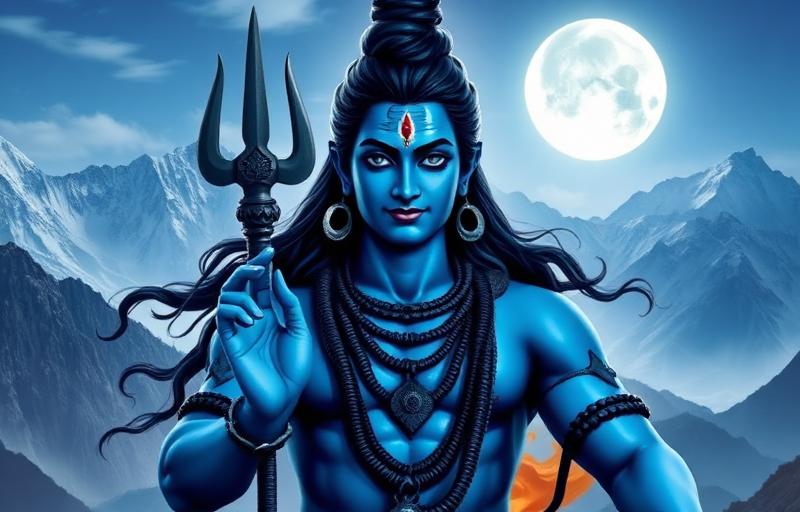
Shani Dev is usually depicted dark-complexioned, calm and unhurried, holding a mace, riding a crow or buffalo. Devotees see him as a strict but fair teacher: those who walk the path of righteousness and humility find him gentle. We do not frame this vrat around sade-sati or any planetary prediction - that belongs to astrology. Instead, Saturday becomes a weekly reset, a day to slow down, do good, reflect honestly on our conduct, and offer simple, sincere worship to the Lord of justice.
The Shanivar Vrat Katha
A beloved vrat katha tells of a debate among the Navagraha (the nine luminaries) about who was greatest. Unable to decide, they went to King Vikramaditya, famed for his fairness. The wise king, not wishing to insult anyone, arranged nine thrones of different metals in descending order and let each deity choose - placing Shani Dev's seat last. Shani, the deity of patience and justice, felt slighted and gently warned the king that his time of testing would come.
In the trials that followed, the king lost his wealth and was wrongly accused, suffering with great patience and never abandoning his righteousness or his faith. When the period of testing passed, Shani Dev, pleased by the king's humility, honesty and endurance, restored everything and blessed him. The moral is profoundly devotional: Shani tests not to destroy but to teach. Hardship, faced with patience, truthfulness and unwavering faith, becomes the doorway to growth and grace. Those who keep his vrat recall this story to strengthen their own resolve to remain humble and good.
Puja Vidhi: Black Sesame, Mustard Oil, Peepal and Shami
The Shanivar puja is simple, austere and deeply symbolic - dark, humble offerings that reflect Shani's nature. A traditional vidhi:
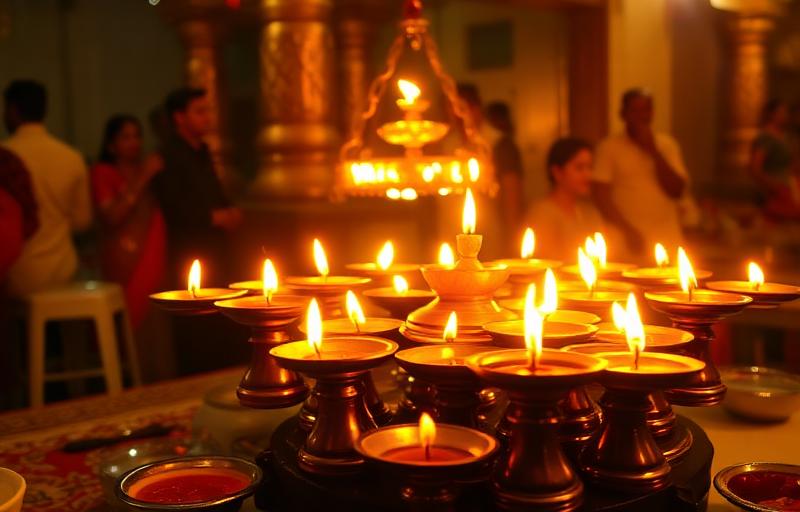
1. Rise early, bathe, and wear clean dark-blue or black clothes if you have them. 2. Take a sankalp to keep the day with patience, honesty and kindness. 3. Worship Shani Dev or a peepal tree, which is especially dear to him. At the peepal, offer water mixed with a little black sesame (til). 4. Light a diya of mustard oil (sarson ka tel) - the classic offering to Shani - and place black sesame, black urad dal, and a blue or black flower before him. 5. Many devotees also offer to the shami tree and light a mustard-oil lamp beneath it on Saturday evening. 6. Recite the Shani mantra and the Dasharatha Shani stotra, then do aarti and a humble pranam.
A central, beautiful niyam of this day is daan (charity): give food, oil, black sesame, blankets or shoes to the poor, labourers or the differently-abled. Serving the underprivileged is considered the truest worship of Shani, who watches over the humble and the hardworking.
Mantras: Shani Beej and Dasharatha Shani Stotra
Two prayers are central to Saturday worship. The Shani beej (seed) mantra is short and powerful:
ॐ प्रां प्रीं प्रौं सः शनैश्चराय नमः
Om Praam Preem Praum Sah Shanaishcharaya Namah.
Meaning: "I bow to Shani, the slow-mover," the seed sounds invoking his steadying, disciplining grace. A simpler form many use is ॐ शं शनैश्चराय नमः (Om Sham Shanaishcharaya Namah).
The Vedic vandana is also beloved:
नीलाञ्जनसमाभासं रविपुत्रं यमाग्रजम्। छायामार्तण्डसम्भूतं तं नमामि शनैश्चरम्॥
Nilanjana-samabhasam Ravi-putram Yamagrajam, Chhaya-martanda-sambhutam Tam Namami Shanaishcharam.
Meaning: "I bow to Shanaishchara, dark as collyrium, son of the Sun, elder brother of Yama, born of Chhaya."
The Dasharatha Shani stotra is a famous hymn in which King Dasharatha (father of Lord Rama) praises Shani Dev with deep humility, asking the Lord to be gracious to all beings. Reciting it on Saturday, or simply chanting one mala of the beej mantra with a black-thread or rudraksha mala, is a complete and heartfelt practice.
What to Eat and What to Avoid
The Shanivar vrat is kept in different ways, so choose what suits your health. Many observe a nirjala or single-meal fast, eating once after evening puja; others take only fruit, milk and water through the day. Foods linked with this vrat include items made of black sesame, black urad dal and simple khichdi - humble, sattvic food eaten without indulgence.
During the fast, avoid salt for some traditions, and generally avoid heavy, oily, fried or tamasic foods, alcohol, and non-vegetarian items. Beyond food, the deeper niyam of the day is conduct: speak truthfully, avoid anger and arguments, do not be harsh to workers, servants or animals, and never disrespect the poor or the elderly. Some devotees avoid buying iron, oil or salt for personal use on this day, choosing instead to give these to others as charity. The food fast is only the outer shell; the true Shanivar vrat is fasting from ego, cruelty and dishonesty for a day, and feeding that energy with humility and service.
Benefits and Who Should Keep the Vrat
Understood devotionally, the Shanivar vrat is a weekly discipline that strengthens patience, humility and self-control. Devotees find that setting aside one day for honest reflection, simple living, charity and prayer brings a calmer mind, gentler conduct and a renewed commitment to do their work sincerely. The act of serving the poor on this day cultivates compassion, while the austerity teaches contentment with less - both genuine spiritual fruits, quite apart from any predictive claim.
Anyone drawn to Shani Dev may keep the vrat - working people seeking the strength to persevere, those wishing to overcome impatience or anger, and anyone wanting to live with greater integrity. It is wise to keep the fast within your physical capacity: children, the elderly, the unwell, pregnant women and those on medication should take a lighter fruit-and-milk observance or simply do the puja and charity without fasting. Begin on a Saturday with a clear, humble sankalp, and let the practice gently reshape your daily conduct rather than chasing any outcome.
What People Ask Most
Is the Shanivar vrat about sade-sati or astrology?+
No. We present the Shanivar vrat purely as devotion and self-discipline - a day to cultivate patience, humility, honesty and service, the very qualities Shani Dev embodies. It is not a sade-sati remedy or a planetary prediction, and we do not recommend approaching it that way. The fast, the simple offerings and the charity are acts of faith and good conduct, not forecasts about fortune.
What are the main offerings for Shani Dev on Saturday?+
The classic offerings are a mustard-oil (sarson ka tel) diya, black sesame (til), black urad dal, and blue or black flowers, all reflecting Shani's humble, dark nature. Many worship the peepal tree, offering water mixed with black sesame, and light a mustard-oil lamp under the peepal or shami tree on Saturday evening. Charity to the poor - food, oil, blankets, shoes - is considered the most important offering of all.
Which mantra should I chant during the Shanivar vrat?+
The Shani beej mantra Om Praam Preem Praum Sah Shanaishcharaya Namah, or the simpler Om Sham Shanaishcharaya Namah, is ideal for japa with a rudraksha or black-thread mala. You may also recite the Nilanjana vandana and the Dasharatha Shani stotra, a famous hymn in which King Dasharatha praises Shani with humility. Chant calmly, with cleanliness and devotion; one mala of the beej mantra is a complete daily practice.
What can I eat during the Saturday fast?+
Choose an observance suited to your health. Many take only fruit, milk and water through the day and eat one simple meal after evening puja; foods linked to this vrat include black sesame, black urad dal and plain khichdi. Avoid heavy, fried, oily and tamasic food, alcohol and non-vegetarian items, and some traditions avoid salt. The deeper fast is from anger, ego and harshness, so keep your conduct gentle and honest all day.
Who should keep the Shanivar vrat?+
Anyone drawn to Shani Dev and to the values of patience, humility and integrity may keep it - especially those wishing to steady their temper, persevere through hard work, or live more honestly. Keep it within your capacity: children, the elderly, the unwell, pregnant women and those on medication should opt for a light fruit-and-milk fast or simply do the puja and charity without fasting at all. Sincerity matters more than severity.
What is the lesson of the Shanivar vrat katha?+
The katha of King Vikramaditya teaches that Shani Dev tests us not to destroy but to teach. The king lost everything and was wrongly accused, yet bore it with patience, truth and unwavering faith - and was ultimately restored and blessed. The message is deeply devotional: hardship faced with humility and righteousness becomes a doorway to growth. The vrat is a reminder to stay good and grounded, especially when life is difficult.
About the author
Pandit Mahesh Trivedi · Festival Traditions & Panchang
Pandit Mahesh leads the festival-date and Panchang content on Vandnaa. He cross-references multiple regional panchangs (Drik, Vaishnava, Bengali, Marathi) for every festival date published on the site.
Meet the Vandnaa editorial team →