What Is Gyan Mudra
Gyan Mudra, also called the mudra of knowledge, is one of the most widely recognized hand gestures in Hindu meditation and devotional practice. It is formed by gently touching the tip of the thumb to the tip of the index finger, while the remaining three fingers stay relaxed and extended.
The gesture appears constantly in depictions of sages, yogis and deities seated in meditation, and is one of the first mudras taught to anyone beginning japa, pranayama or quiet contemplation. Its name itself, gyan meaning knowledge, points to why devotees connect it so closely with the pursuit of wisdom.
Its Connection to Saraswati and Wisdom
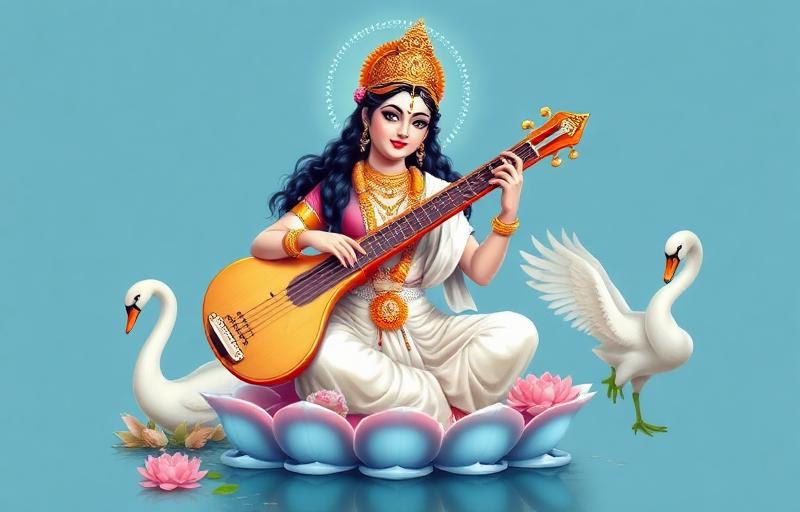
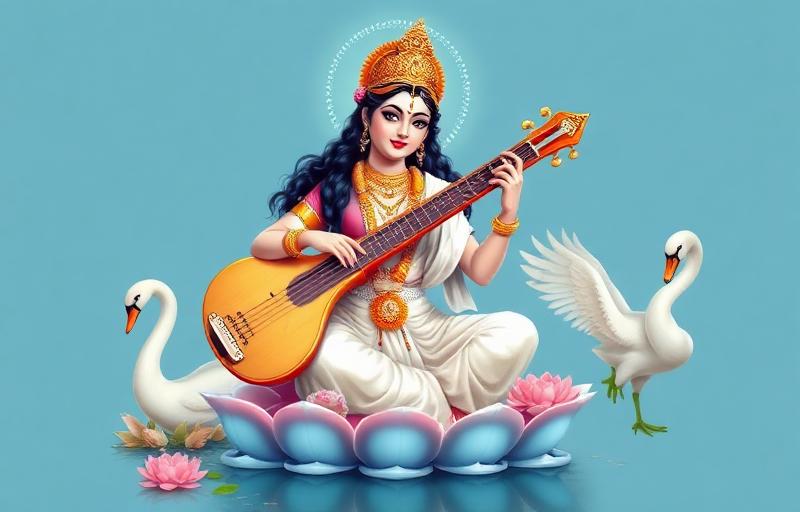
Although Goddess Saraswati herself is more commonly depicted holding the veena, book and mala, devotees who meditate upon her for clarity of mind and success in learning often sit in Gyan Mudra while doing so. The mudra is seen as a quiet, personal way of inviting the same qualities Saraswati represents, focus, discernment and calm intellect, into one's own posture and breath.
Because the gesture is associated with the awakening of intellect and memory, it is naturally paired with the recitation of the Saraswati Vandana or any prayer to the goddess of learning, especially before study sessions or examinations.
The Symbolic Meaning of the Gesture
In tradition, the thumb represents the supreme, universal consciousness, while the index finger represents the individual soul. Their gentle union at the fingertips symbolizes the seeker's mind turning toward and merging with higher wisdom, rather than remaining scattered in worldly distraction.
The remaining three extended fingers are often understood to represent the three gunas, sattva, rajas and tamas, the qualities of clarity, activity and inertia that every mind must balance. Keeping them open and relaxed, rather than clenched, is said to reflect a mind that observes these qualities without being ruled by them.
How Devotees Practice It
Gyan Mudra is practiced in a simple, accessible way:
- Sit calmly with the spine upright, resting the back of each hand gently on the knees
- Touch the tip of the thumb to the tip of the index finger on both hands
- Close the eyes and take a few slow, steady breaths
- Recite the Saraswati Vandana, a chosen mantra, or simply sit in silence for a few minutes
- Many students use it briefly before opening a book or entering an exam hall, as a moment to settle the mind
No elaborate preparation is required, making it one of the easiest devotional practices to include in a daily routine.
Benefits as Per Tradition
As per tradition, regular practice of Gyan Mudra alongside prayer is believed to sharpen concentration, calm a restless mind, and support memory and clarity during study. Devotees see it as a gentle companion to effort, not a replacement for it, a small physical reminder to approach learning with humility and focus.
It is said that when the gesture is joined with sincere recollection of Saraswati, the mind becomes more receptive to whatever knowledge follows, though devotees are always careful to describe this as a matter of faith rather than a guaranteed result.
A Simple Daily Takeaway
Gyan Mudra needs no temple, altar or special occasion, only a few quiet minutes and a sincere intention. Held with a prayer to the goddess of knowledge, it becomes a small daily reminder that wisdom is welcomed with a calm hand and an open, humble mind.
Quick Answers
How is Gyan Mudra formed?+
It is formed by gently touching the tip of the thumb to the tip of the index finger, while the other three fingers remain relaxed and extended, typically practiced with both hands.
Why is Gyan Mudra linked to Saraswati?+
Devotees who meditate on Saraswati for clarity and success in learning often sit in Gyan Mudra, as it is believed to invite the same qualities of focus and wisdom she represents.
When should Gyan Mudra be practiced?+
It can be practiced during meditation, japa or pranayama, and many students use it briefly before study sessions or exams as a way to settle and focus the mind.
About the author
Pandit Ravindra Sharma · Vedic Rituals & Bhakti, 22+ years
Pandit Ravindra is the Vandnaa editorial team's resident specialist on aarti, chalisa, and daily devotion. He has performed home and temple pujas across Varanasi and Delhi for over two decades and contributes the bhakti-focused articles on this site.
Meet the Vandnaa editorial team →