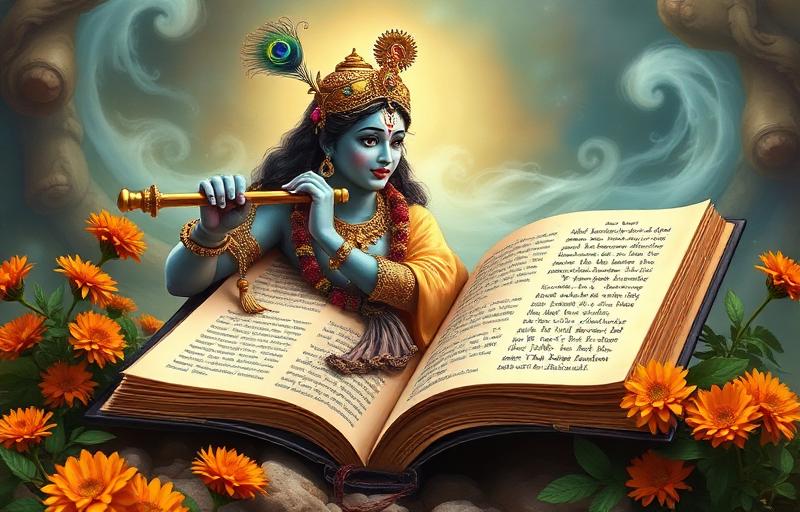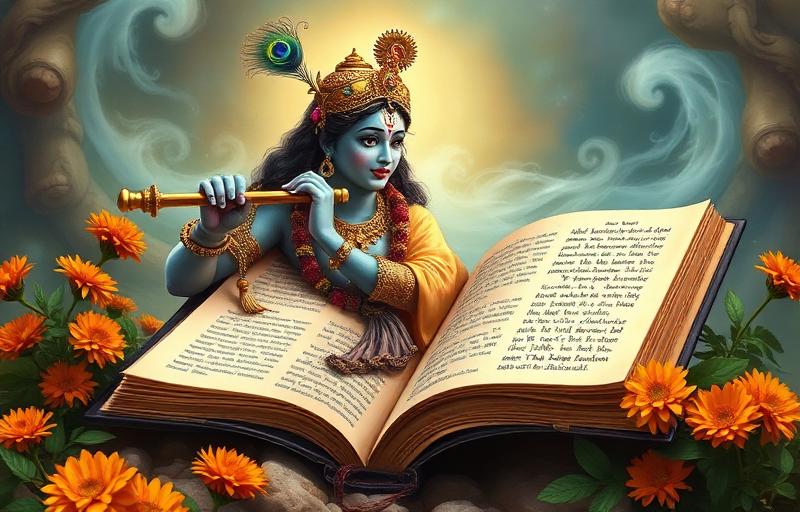
What Is Saraswati Vandana
A vandana is a short devotional verse of praise and salutation offered to a deity before an activity begins. Saraswati Vandana is the invocation offered to Goddess Saraswati, the deity of knowledge, speech, music and the arts, seeking her blessings before study, teaching, writing or any creative pursuit.
Across Indian schools, colleges and homes, it is traditional to begin the day, an examination, or a music recital with a few lines in her praise. Devotees believe that when the mind is offered to the goddess first, whatever is learned afterward settles more clearly and lastingly.
The most recited verse begins "Ya Kundendu Tushara Haara Dhavala", describing the goddess as white as the moon, jasmine and snow, seated on a white lotus, holding the veena, adorned in white, and always accompanied by grace and wisdom.
The Meaning Behind the Verse
The imagery of the vandana is rich with symbolism. The white color of the goddess represents purity of thought and the absence of confusion, since knowledge is said to shine clearest in a mind free of clutter. The veena in her hands stands for harmony, and the belief that true learning, like music, must be tuned with patience and discipline.
The verse closes with a prayer: "Om Saraswati Namah Tubhyam, Varade Kaamarupini, Vidyarambham Karishyami, Siddhir Bhavatu Me Sada" - meaning "Salutations to you, O Saraswati, granter of boons and desires. I begin my learning; may it always be accomplished with success." It is this closing line that is most often chanted before opening a book or beginning a class, as a humble request rather than a demand.
When and How It Is Recited
Saraswati Vandana is traditionally recited:
- At the start of the school or academic day, often in assembly
- Before beginning music, dance or any art form practice
- During Basant Panchami and Navratri, when Saraswati is worshipped
- Before opening a new notebook, starting an exam, or beginning to write
It requires no elaborate ritual. A short pause, folded hands, and a sincere recollection of the goddess before the day's learning is considered sufficient. Many families also keep a small image or picture of Saraswati near study tables or musical instruments as a quiet daily reminder.
Benefits as Per Tradition
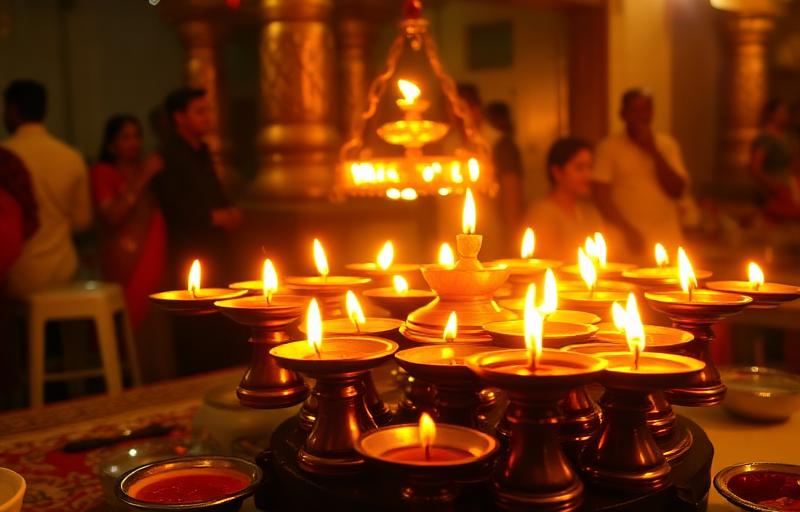
As per tradition, reciting Saraswati Vandana with devotion is believed to bring clarity of thought, calmness before exams or performances, and a humble reminder that all learning is a gift rather than a personal achievement alone. It is said to help still a restless mind and open it to receive knowledge with focus.
Devotees also believe it protects against forgetfulness and confusion, and instills discipline in the pursuit of any skill, whether academic, musical or artistic. These are matters of faith passed down through generations of teachers and students, not claims of guaranteed results.
A Simple Daily Takeaway
Saraswati Vandana need not be reserved for festivals alone. Even a single line, spoken quietly each morning before opening a book or picking up an instrument, keeps the spirit of humble learning alive. Worship of the goddess of knowledge is, at its heart, an act of faith and gratitude, not a shortcut to success.
Common Questions From Devotees
What is the most common Saraswati Vandana verse?+
The most widely recited verse begins with "Ya Kundendu Tushara Haara Dhavala", describing the goddess's white radiance, and closes with a prayer for successful learning, "Vidyarambham Karishyami, Siddhir Bhavatu Me Sada."
When should Saraswati Vandana be recited?+
It is traditionally recited before starting studies, music or dance practice, at the beginning of the academic day, and especially during Basant Panchami and Navratri celebrations of the goddess.
Do I need any special ritual to recite Saraswati Vandana?+
No elaborate ritual is required. Devotees simply fold their hands, pause for a moment, and recite the verse with sincerity, either aloud or silently in the mind.
About the author
Acharya Vinaya Kapoor · M.A. Sanskrit, Mantra & Stotra Studies
Acharya Vinaya holds an M.A. in Sanskrit from Banaras Hindu University and writes the mantra and stotra commentary on Vandnaa. Her focus is on accurate pronunciation, traditional context, and helping modern readers connect with classical texts.
Meet the Vandnaa editorial team →