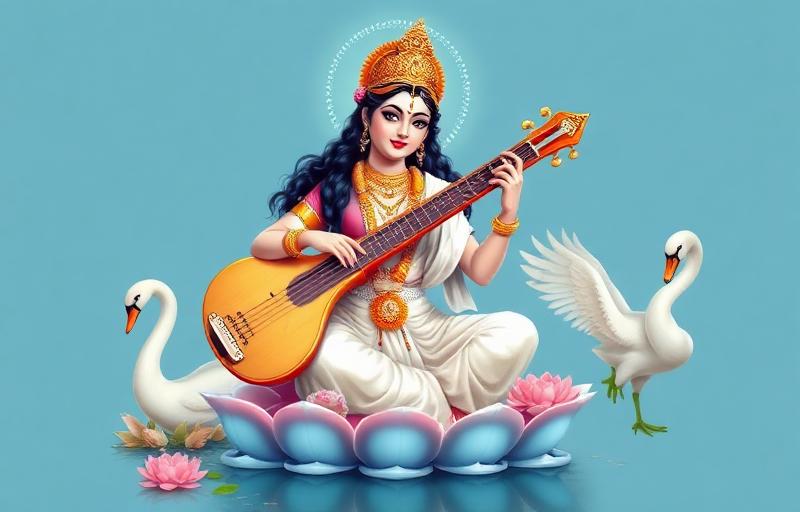
Who Is Sharada
Sharada is one of the most revered names of the goddess of knowledge, especially prominent in South India and Kashmir. The name is closely associated with Sharada Peeth, an ancient seat of learning historically linked to Kashmir, and with Sringeri Sharadamba, the presiding deity of the Sringeri Sharada Peetham established in tradition by Adi Shankaracharya in Karnataka.
In most devotional contexts, Sharada is not treated as a separate goddess but as another beloved name for Saraswati, in the same way a deity may be called by different names in different regions while devotees understand the same divine presence is being honored.
A Regional and Devotional Connection
According to tradition, the name Sharada gained particular prominence through Sharada Peeth, once counted among the important centers of learning in ancient India, and through the Sringeri Math, one of the four principal mathas established by Adi Shankaracharya. Because of this association, Sharada is often invoked specifically in contexts of higher scholarship, philosophy and the guru-shishya tradition of learning.
Saraswati, on the other hand, is the name most commonly used in everyday worship across North and Central India, in schools, homes and during Basant Panchami. Both names ultimately point devotees toward the same qualities: wisdom, speech, music and the arts.
Shared Iconography and Symbolism
Both Saraswati and Sharada are depicted with remarkably similar imagery: seated upon a white lotus or occasionally a swan, dressed in white, holding a veena and a book, and radiating a serene, gentle expression. This shared iconography is itself a devotional signal that the two names describe the same goddess of learning, understood through different regional lenses and lineages.
Some devotional texts and hymns use both names interchangeably within the same prayer, further reflecting how naturally they are understood as one.
How Devotees Worship Under Either Name
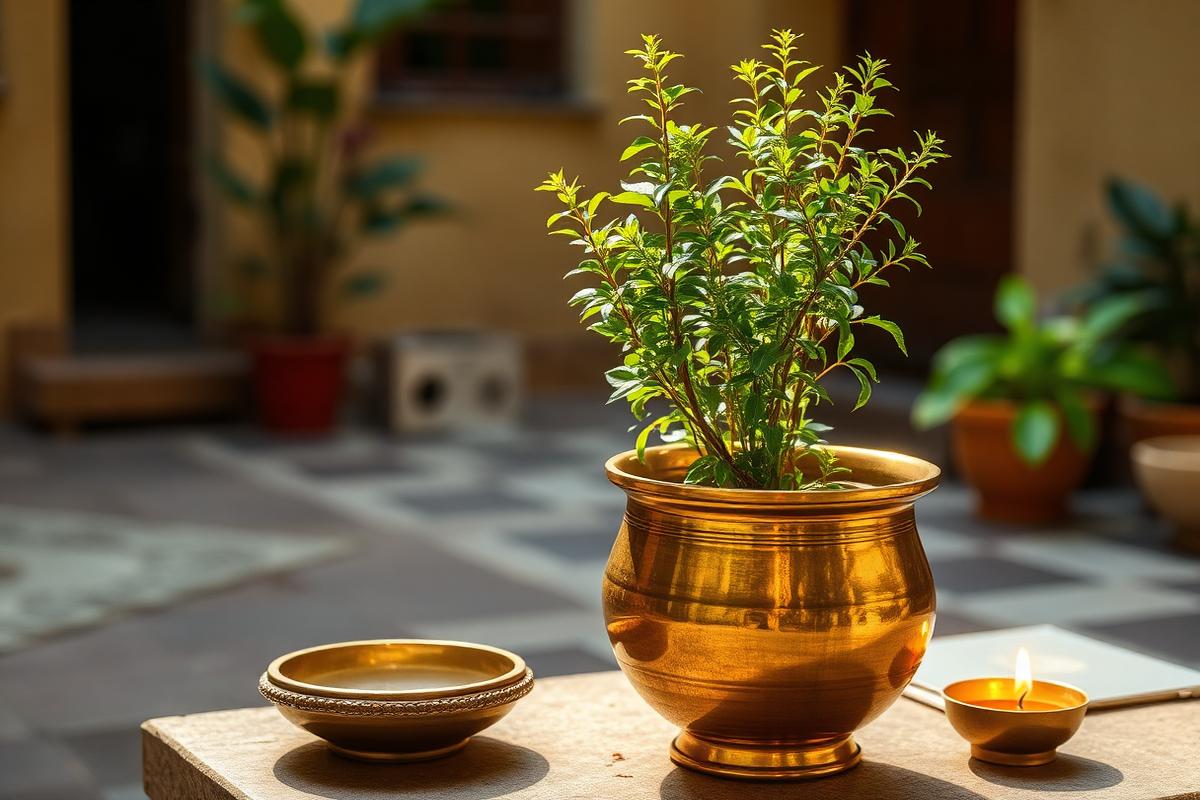
Worship practices remain largely the same whichever name is used:
- Offering white flowers, especially jasmine, and white sweets
- Placing books, musical instruments or writing tools before the deity for blessing
- Reciting Saraswati or Sharada stotras and the Saraswati Vandana
- Visiting a Sharada or Saraswati shrine, especially before exams or the start of learning a new skill
Devotees are free to use whichever name feels closer to their family or regional tradition, as both are believed to carry the same grace.
A Devotional Takeaway
Whether called Saraswati or Sharada, devotees believe the goddess responds to sincerity rather than to a particular name. The lesson tradition offers is one of unity: the pursuit of knowledge, wherever it is undertaken and by whatever name it is blessed, is ultimately one sacred path.
Frequently Asked Questions
Is Sharada a different goddess from Saraswati?+
No, in devotional tradition Sharada is understood as another name for Saraswati, the goddess of knowledge, particularly associated with Sharada Peeth and the Sringeri Sharada Peetham.
Why is Sharada associated with Sringeri?+
According to tradition, Adi Shankaracharya established the Sringeri Sharada Peetham in Karnataka with Sharadamba as the presiding deity, making the name Sharada especially prominent in South Indian scholarly tradition.
Should I worship Saraswati or Sharada?+
Either name may be used according to personal or regional preference, as devotees believe both refer to the same goddess of knowledge and respond with equal grace to sincere devotion.
About the author
Anjali Mehta · Editor, M.A. Religious Studies
Anjali is the managing editor for Vandnaa and oversees the festival and vrat coverage. She holds an M.A. in Religious Studies and reviews every published article for accuracy, accessibility, and tradition-fidelity.
Meet the Vandnaa editorial team →