What Is Basant Panchami
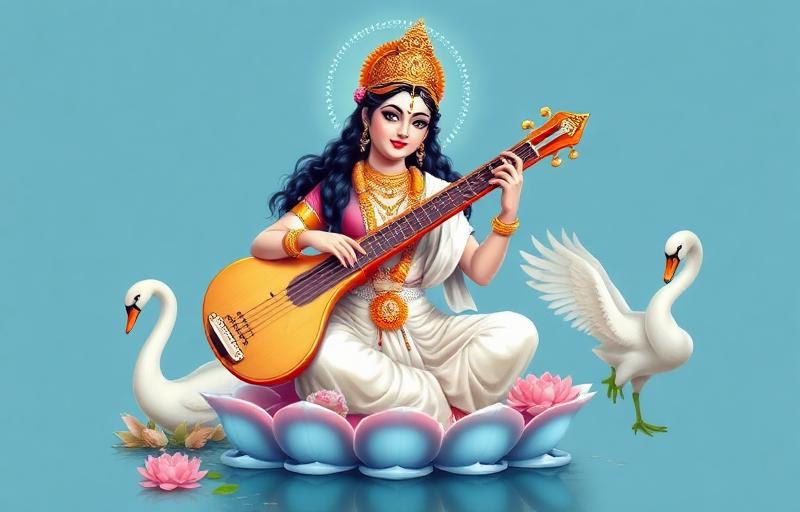
Basant Panchami, also called Vasant Panchami, falls on the fifth day of the bright half of the Hindu month of Magha, typically in late January or early February, marking the arrival of spring. It is one of the most widely celebrated festivals dedicated to Goddess Saraswati, observed across schools, homes and temples throughout India.
The day is considered especially auspicious for beginning a child's education, starting to learn a musical instrument, or opening a new chapter of study, since it is believed the goddess's blessings are most accessible on this day.
Significance in Tradition
As per tradition, Basant Panchami also carries the significance of nature's own renewal, mustard fields turning yellow, trees blossoming, and the general awakening of the season, all seen as expressions of Saraswati's creative energy. The color yellow is especially significant on this day, worn in clothing and used in offerings, symbolizing the vibrancy of spring and the brightness of knowledge.
The day is also associated in some regions with the beginning of preparations for Holi, and in Punjab it coincides with kite-flying traditions, though its devotional core across India remains the worship of the goddess of learning.
Saraswati Puja Vidhi on the Day
A simple, traditional vidhi followed by many devotees includes:
- Bathing early and wearing yellow or white clothing
- Placing an image or idol of Saraswati on a clean altar, often decorated with yellow flowers
- Offering white or yellow flowers, especially marigold, and sweets such as boondi or kesar-based dishes
- Placing books, notebooks, musical instruments and writing tools before the goddess for blessing
- Reciting the Saraswati Vandana and Saraswati Stotra, followed by an aarti
- Initiating young children into writing their first letters, a ritual known in some traditions as Akshar Abhyasam or Vidyarambham
The puja is kept simple and heartfelt, in keeping with the goddess's gentle nature, rather than elaborate or ostentatious.
Regional Observances
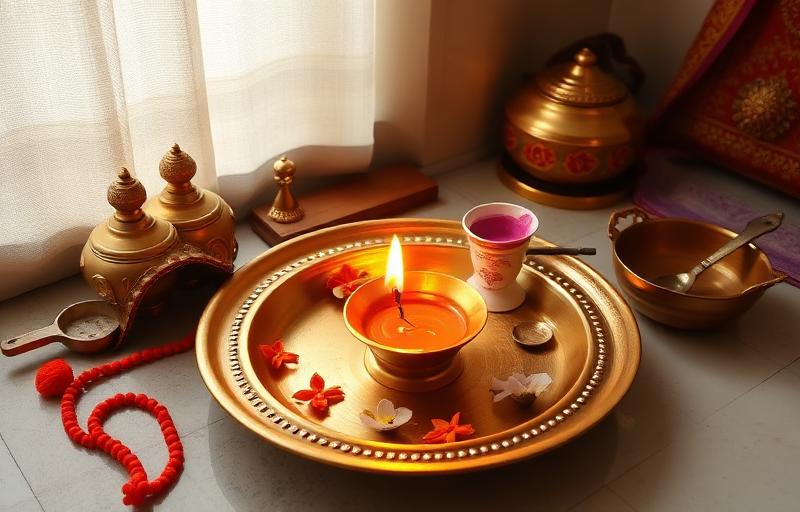
In Bengal, Basant Panchami is celebrated with grand community Saraswati Puja pandals, especially by students, while in Punjab it is marked by yellow attire and kite-flying alongside the puja. In many parts of North India, schools organize a formal puja with students offering their books at the goddess's feet. Despite these regional variations, the shared devotion to Saraswati as the giver of knowledge remains constant.
A Devotional Takeaway
Basant Panchami reminds devotees that knowledge, like spring, arrives gently and grows steadily when nurtured with sincerity. Worship on this day is an act of faith and gratitude, not a transaction for success, and its simplicity is precisely what makes it meaningful across generations.
Quick Answers
When is Basant Panchami celebrated?+
It falls on the fifth day of the bright half of the Hindu month of Magha, typically in late January or early February, marking the arrival of spring.
What is the significance of yellow on Basant Panchami?+
Yellow symbolizes the vibrancy of spring, mustard fields in bloom, and the brightness of knowledge, and is worn and offered widely during Saraswati Puja on this day.
Why do children begin learning letters on Basant Panchami?+
As per tradition, this day is considered especially auspicious for a child's first steps into learning, a ritual known as Akshar Abhyasam or Vidyarambham in some regions, seeking Saraswati's blessings.
About the author
Pandit Mahesh Trivedi · Festival Traditions & Panchang
Pandit Mahesh leads the festival-date and Panchang content on Vandnaa. He cross-references multiple regional panchangs (Drik, Vaishnava, Bengali, Marathi) for every festival date published on the site.
Meet the Vandnaa editorial team →