What Is Lanka Dahan
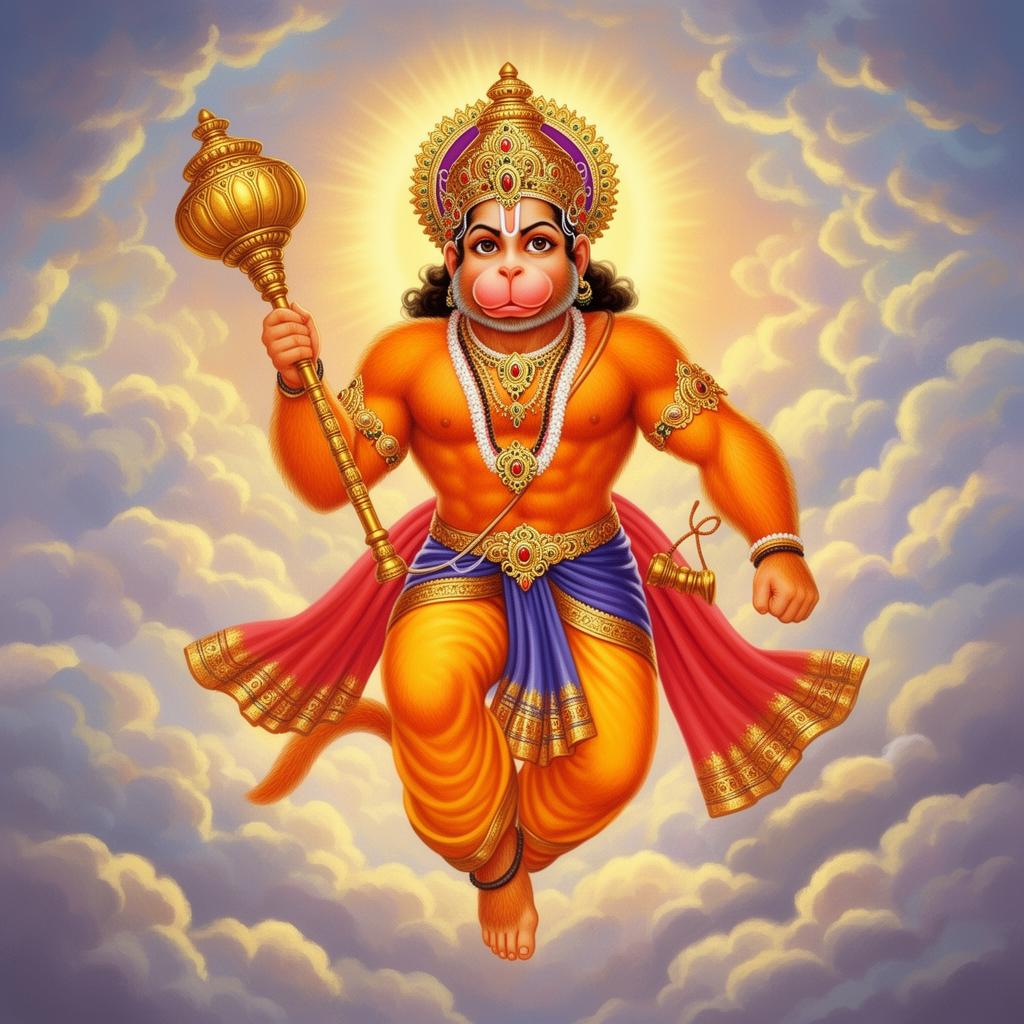
Lanka Dahan, meaning "the burning of Lanka", refers to the famous Ramayana episode where Hanuman's tail is set on fire by Ravana's forces after he is caught following his search for Sita, and he uses that very fire to set parts of the city ablaze before extinguishing it in the sea.
This episode comes right after Hanuman's meeting with Sita in the Ashoka Vatika, and it is remembered as a moment where restraint, courage and a message to Ravana's court all come together in one dramatic sequence.
The Story of the Burning
After delivering Rama's message to Sita and receiving her token in return, Hanuman is said to have deliberately allowed himself to be captured to gauge the strength of Ravana's court and deliver a message. Ravana, angered by his boldness, ordered his tail to be set on fire as punishment and humiliation.
Hanuman, rather than being distressed, is said to have used the growing flame to his advantage. He expanded his tail, leaping from rooftop to rooftop, setting much of the city on fire, before finally dousing the flame in the ocean. This is remembered as a display of both fearlessness in Rama's service and a clear signal of the strength Ravana was up against.
Significance and Meaning
Devotees see deeper meaning in Lanka Dahan beyond the dramatic imagery. It is often read as a lesson that Hanuman's fire did not consume him, symbolizing how devotion and righteousness can pass through adversity unscathed while still leaving an impact.
- A symbol of fearlessness in the service of dharma
- A reminder that righteous strength, even under attack, remains composed
- A warning delivered without excessive or needless destruction of innocents
- Devotees invoke this episode when seeking courage against overwhelming odds
How Devotees Remember This Episode

The Hanuman Chalisa references this valor with the line "Lanka jaari Asur sanhare", meaning "you burned Lanka and destroyed the demons", which devotees chant with reverence for Hanuman's courage. Some temples and folk performances of the Ramayana, particularly Ramlila, stage this episode with special enthusiasm during Navratri and Dussehra season.
Devotees often recall this story not to celebrate destruction, but to draw strength from the idea that fire meant to harm a true devotee instead became a tool in service of dharma.
A Simple Takeaway
Lanka Dahan reminds devotees that adversity aimed at a devoted heart can, through faith, turn into a source of strength rather than harm. It encourages steadiness even when circumstances feel like they are set against a person.
Recalling this episode with devotion, like all remembrance of Hanuman's deeds, is an act of faith and love, not a call to imitate destruction.
Common Questions From Devotees
Why was Hanuman's tail set on fire?+
As per the katha, Ravana ordered Hanuman's tail to be set on fire as punishment and humiliation after he was captured following his meeting with Sita in the Ashoka Vatika.
Why didn't the fire harm Hanuman?+
Devotees believe Hanuman's devotion and inherent power protected him from harm, and tradition holds that the very fire meant to hurt him became the means to send a strong message to Ravana's court.
When is Lanka Dahan remembered in devotional practice?+
This episode is recalled through the Hanuman Chalisa line about burning Lanka, and it is often staged during Ramlila performances around Navratri and Dussehra.
About the author
Anjali Mehta · Editor, M.A. Religious Studies
Anjali is the managing editor for Vandnaa and oversees the festival and vrat coverage. She holds an M.A. in Religious Studies and reviews every published article for accuracy, accessibility, and tradition-fidelity.
Meet the Vandnaa editorial team →