Haridwar - The Gateway of the Gods
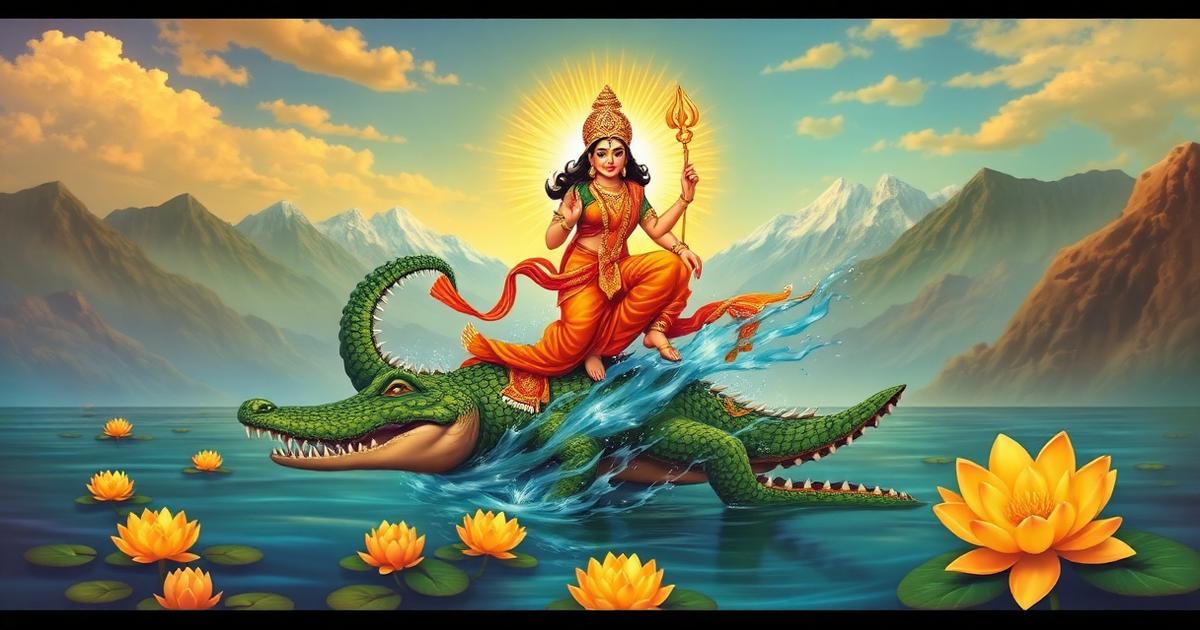
Haridwar is where Maa Ganga completes her mountain journey and enters the plains of India for the first time. The name itself carries a double blessing: Hari-dwar, the gateway to Vishnu, and Har-dwar, the gateway to Shiva. Pilgrims heading to Badrinath traditionally read it the first way, and those bound for Kedarnath the second, because Haridwar is the starting point of the Char Dham Yatra of Uttarakhand. The city is counted among the Sapta Puri, the seven cities that are believed to grant moksha (liberation). For thousands of years, sages, householders and renunciates have come here for one simple reason: to stand where the Ganga arrives from the Himalayas, still cold, fast and crystal clear, and to feel that the divine has a doorway on earth.
Har Ki Pauri and the Brahma Kund - Where Amrit Fell
Har Ki Pauri, literally the footsteps of Hari, is the most sacred ghat in Haridwar. A footprint impressed on a stone here is revered as that of Lord Vishnu himself. Within the ghat lies the Brahma Kund, the exact spot where, according to the legend of the Samudra Manthan (churning of the ocean), drops of amrit (the nectar of immortality) fell when Garuda carried the kumbha across the sky. Only four places on earth received these drops: Haridwar, Prayagraj, Ujjain and Nashik, and this is why the Kumbh Mela rotates among these four cities. Bathing at Brahma Kund is therefore considered equal in merit to a Kumbh snan in spirit. Devotees believe a dip here washes away lifetimes of paap and opens the path to liberation, which is why the kund is also called Moksha Dwar.
The Evening Ganga Aarti - Haridwar's Defining Moment
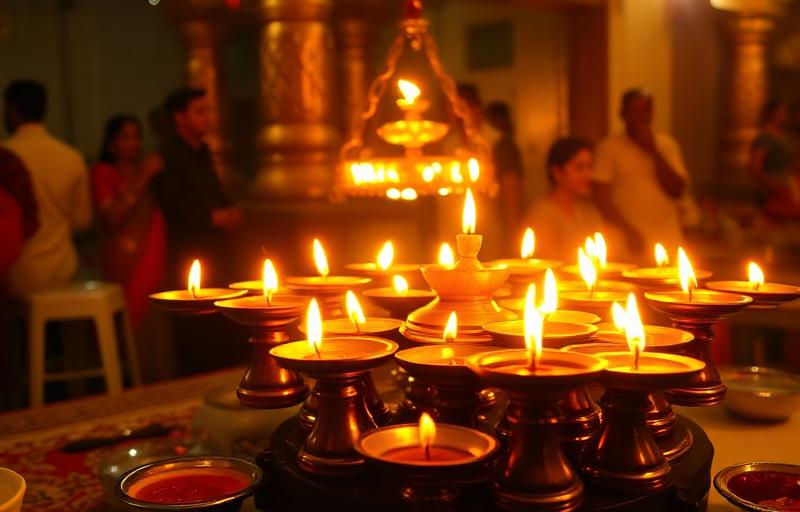
Every evening at sunset, Har Ki Pauri transforms into one of the most moving devotional sights in India: the Ganga Aarti. Priests of the Shri Ganga Sabha raise huge multi-tiered flame lamps in unison, bells ring from every temple along the ghat, and thousands of voices join the Om Jai Gange Mata aarti. Pilgrims float small leaf-boats (donas) carrying flowers and a single diya on the current, each tiny flame a prayer drifting toward the sea. The aarti happens both at dawn and at dusk, but the evening aarti draws the largest gathering. Arrive 45 to 60 minutes early to find a place on the steps near Brahma Kund, keep your footwear deposited away from the ghat, and simply sit and watch. Exact timings shift with sunset through the year, so check official Ganga Sabha sources for the day you visit.
Mansa Devi and Chandi Devi - The Hilltop Shakti Temples
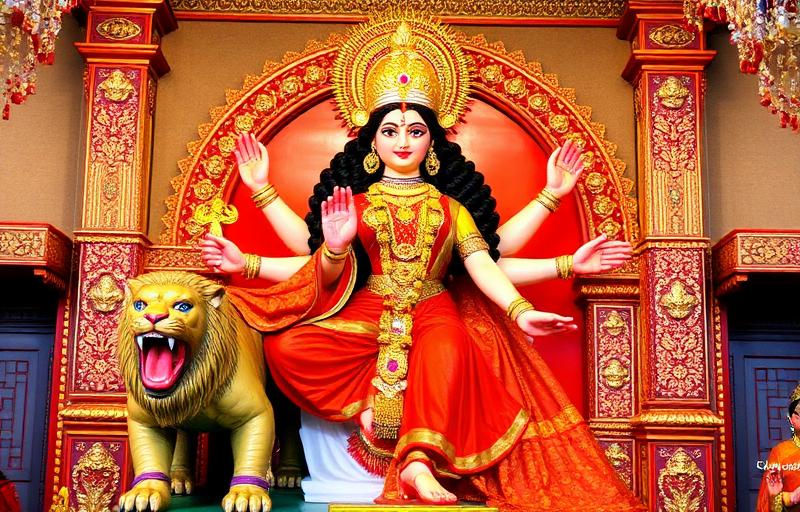
Two hills frame Haridwar, and each carries a powerful Devi temple. On Bilwa Parvat sits Mansa Devi, the wish-fulfilling goddess; devotees tie a sacred thread on the temple tree while making a manokamna (heartfelt wish) and return to untie it when the wish is granted. Across the Ganga, on Neel Parvat, stands Chandi Devi, linked to the goddess Chandika who slew the demons Shumbha and Nishumbha. Together with Maya Devi temple in the city, they form Haridwar's revered Siddha Peeth triangle, and many pilgrims complete darshan of all three in one day. Both hilltop temples can be reached by a brisk uphill walk or by ropeway (udankhatola), which offers sweeping views of the Ganga curving through the city. We have covered the Mansa Devi temple in detail in a separate guide, so here it is enough to say: do not leave Haridwar without seeking the Mother's blessings.
Daksha Mahadev Temple, Kankhal - Where Sati's Story Began
A few kilometres south of Har Ki Pauri lies Kankhal, one of the oldest sacred sites of Haridwar and home to the Daksha Mahadev temple. This is believed to be the very ground where King Daksha Prajapati performed his great yagna without inviting Shiva, and where Sati, unable to bear the insult to her husband, gave up her body in the sacrificial fire. Shiva's fierce form Virabhadra destroyed the yagna here, and the grieving Shiva later forgave Daksha and restored him with a goat's head. From Sati's sacrifice flows the entire tradition of the Shakti Peethas, which makes Kankhal a place of quiet, sober power rather than festivity. The temple complex includes Daksheshwar Mahadev and a ghat on the Ganga. During the month of Sawan, it is believed that Shiva himself resides at Kankhal, and the temple sees devoted crowds.
Ganga Snan - Significance and the Best Time to Visit
The heart of any Haridwar yatra is the Ganga snan. The scriptures hold that bathing in the Ganga at Haridwar, especially at Brahma Kund, purifies the mind, dissolves accumulated karma and brings peace to one's ancestors when done with tarpan. The most auspicious snan days are Somvati Amavasya, Ganga Dussehra, Makar Sankranti, Baisakhi and Kartik Purnima, when lakhs of devotees arrive. The grandest occasions of all are the Kumbh and Ardh Kumbh melas. For weather, October to March is pleasant and ideal for unhurried darshan; April to June is hot but manageable near the water; the Sawan month (July-August) brings the energetic Kanwar Yatra, when the city overflows with shiv-bhakts and road travel becomes difficult. If you seek quiet devotion, avoid Kanwar weekends; if you want to witness faith at full tide, that is exactly when to come.
How to Reach Haridwar and Practical Yatra Tips
By train: Haridwar Junction is one of north India's best-connected stations, with direct trains from Delhi, Mumbai, Kolkata, Lucknow and most major cities. By air: the nearest airport is Jolly Grant, Dehradun, about 35 km away, with taxis readily available. By road: Haridwar is roughly 210 km from Delhi via NH 334, typically a five to six hour drive. Once in the city, Har Ki Pauri, the markets and most ghats are walkable; autos and e-rickshaws cover the rest. Practical tips: keep valuables minimal at crowded ghats, hold children's hands firmly near the fast current and use the chain railings while bathing, do not use soap in the river, dress modestly, and beware of unsolicited pandas demanding fixed donations - any dakshina is voluntary. For aarti timings, Kumbh dates and ropeway details, always confirm with official sources before you travel.
Common Questions From Devotees
Why is Haridwar considered so sacred?+
Haridwar is where the Ganga enters the plains, one of the Sapta Puri (seven liberation-granting cities), and one of only four places where drops of amrit fell during the Samudra Manthan. It is also the gateway to the Char Dham of Uttarakhand, making it both a destination and a doorway for pilgrims.
What is the legend of Brahma Kund at Har Ki Pauri?+
During the Samudra Manthan, when the kumbha of amrit was carried across the sky, drops fell at four places: Haridwar, Prayagraj, Ujjain and Nashik. Brahma Kund at Har Ki Pauri marks the spot in Haridwar. This is why the Kumbh Mela is held in these four cities and why a snan here is considered supremely purifying.
What time is the Ganga aarti at Har Ki Pauri?+
The main Ganga aarti takes place every evening around sunset, with a smaller aarti at dawn. Since the exact time shifts with the seasons, check the Shri Ganga Sabha's official sources for the current schedule, and arrive 45 to 60 minutes early to find a good place on the steps.
Can Mansa Devi and Chandi Devi be visited in one day?+
Yes. Both hilltop temples are connected by ropeways, and combined darshan of Mansa Devi, Chandi Devi and Maya Devi (the Siddha Peeth triangle) is a popular one-day circuit. Start early in the morning to avoid queues, especially on weekends and during Navratri.
Which are the most auspicious days for Ganga snan in Haridwar?+
Somvati Amavasya, Ganga Dussehra, Makar Sankranti, Baisakhi and Kartik Purnima are the major snan days, drawing huge gatherings. The Kumbh and Ardh Kumbh melas are the grandest occasions of all. On ordinary days, an early morning snan at Brahma Kund is serene and equally heartfelt.
What should pilgrims keep in mind while bathing in the Ganga at Haridwar?+
The current at Har Ki Pauri is strong, so always hold the chain railings, keep children close, and bathe only at designated ghats. Do not use soap or shampoo in the river, keep valuables with a companion on the steps, and remember that any dakshina to priests is voluntary, never a fixed fee.
About the author
Acharya Vinaya Kapoor · M.A. Sanskrit, Mantra & Stotra Studies
Acharya Vinaya holds an M.A. in Sanskrit from Banaras Hindu University and writes the mantra and stotra commentary on Vandnaa. Her focus is on accurate pronunciation, traditional context, and helping modern readers connect with classical texts.
Meet the Vandnaa editorial team →