What Is Solah Shringar and Why It Matters for Teej
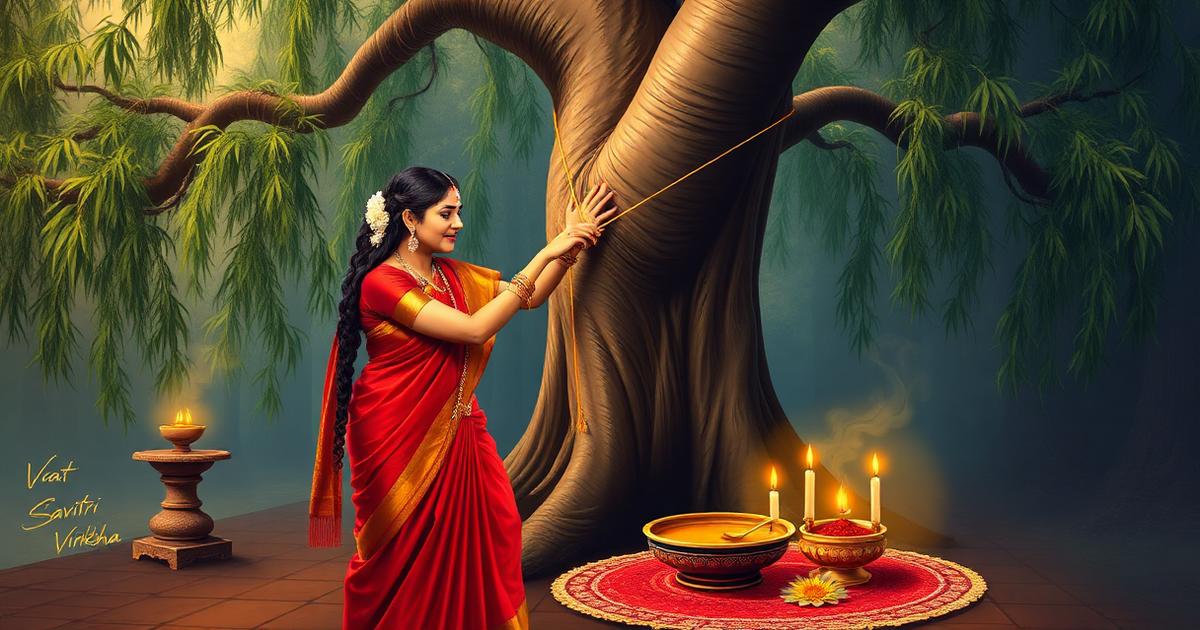
Solah Shringar literally means sixteen adornments, a traditional set of beauty rituals and ornaments believed to represent the complete, auspicious appearance of a married Hindu woman at her most festive and radiant. On Hartalika Teej specifically, the practice carries an added layer of meaning: legend holds that Goddess Parvati adorned herself elaborately during her long penance in the forest to win Lord Shiva as her husband, and women observing the vrat today mirror this act of devotion through their own shringar, treating the act of dressing up not as vanity but as a genuine offering made with intention.
Not every woman follows all sixteen items exactly to the letter, and meaningful regional variations exist across North and East India, where Hartalika Teej is most widely and enthusiastically celebrated, particularly in Uttar Pradesh, Bihar, Rajasthan and parts of Madhya Pradesh. What stays remarkably consistent across all these regions is the underlying idea: each item is applied mindfully and often unhurriedly, frequently with other women of the family or neighborhood gathered together in one room, turning the preparation itself into a shared, festive ritual rather than a rushed routine squeezed in before the puja begins.
The list below covers the sixteen items most commonly cited across tradition and regional practice, with a short note on what each one represents, useful both for women assembling the look for the very first time this year and for anyone simply curious about the meaning quietly sitting behind what can otherwise look, from the outside, like just an elaborate bridal-style outfit.
Items One to Eight: Face and Upper Body
The first half of the list focuses on the face, hands and upper body, the parts most visible during puja itself and most closely associated with a woman's overall shringar when people first look at her that morning:
- Bindi - worn on the forehead, believed to protect and represent the third eye of awareness and inner focus
- Sindoor - applied along the hair parting, the single most significant traditional marker of a married woman's status
- Maang Tikka - a headpiece resting on the parting, framing the face beautifully and traditionally believed to ward off negative energy directed at the wearer
- Kajal - dark kohl lining the eyes, both a genuine beauty item and considered protective against the evil eye in most regional traditions
- Mehendi - intricate henna patterns applied to hands and feet the evening before, symbolizing joy, celebration and marital happiness for years to come
- Choodiyan (Bangles) - typically glass or lac bangles in red and green, whose gentle sound while moving is considered auspicious and welcoming to guests
- Haar (Necklace) - a statement necklace, often layered with smaller pieces, worn as a visible symbol of prosperity and family wellbeing
- Karnphool (Earrings) - literally meaning ear-flowers, ornate earrings that complete the facial shringar and catch the light beautifully during aarti
Most of these first eight items are genuinely inexpensive and easy to source even at short notice, and many women already own several from previous festivals or their own wedding trousseau, meaning this half of the list rarely requires any major new spending each year.
Items Nine to Sixteen: Rest of the Body and Final Touches
The second half of the list moves further down the body and adds the final decorative and symbolic touches that genuinely complete the traditional Teej look from head to toe:
- Nath (Nose Ring) - an ornate nose ring or stud, one of the more visually striking and photographed pieces of bridal-style shringar
- Payal (Anklets) - silver anklets worn at the feet, their gentle chiming sound traditionally believed to announce a woman's auspicious presence as she walks
- Bichhiya (Toe Rings) - worn specifically in silver rather than gold, per long-standing custom, on the second toe of each foot before the puja begins
- Baju Band (Armlet) - an armlet worn on the upper arm, considerably less common in everyday wear but genuinely traditional for elaborate festive shringar
- Kamarbandh (Waist Belt) - a decorative belt worn at the waist over the saree or lehenga, both purely ornamental and symbolic of grace and posture
- Anguthi (Ring) - one or more rings worn on the fingers, very often including the original wedding ring itself as the most meaningful piece
- Gajra (Flowers in Hair) - fresh flowers, commonly mogra or jasmine, carefully woven into the braid or bun for fragrance and a sense of freshness through the day
- Alta or Mahawar (Red Dye) - a red dye applied to the edges of the palms and soles of the feet, considered highly auspicious and traditionally linked closely to the goddess Lakshmi
Together, these full sixteen items are meant to be worn as one complete set specifically on Teej, though everyday shringar for married women typically includes only a handful of these year-round, with bindi, sindoor and bangles being the three worn most consistently outside festival days.
The Outfit and Color Choices That Complete the Look
While not always formally counted as one of the sixteen individual items, the outfit itself genuinely sets the base and tone for the entire shringar to build upon. Red and green are the two most traditional color choices for Hartalika Teej, red symbolizing marital auspiciousness and enduring commitment, and green representing new growth, fertility and the arrival of the monsoon season the festival is culturally rooted in across most of North India. Many women also choose yellow or orange for at least part of the outfit, colors broadly associated with festivity, prosperity and good fortune across Hindu tradition more generally.
A saree, lehenga or the increasingly popular bandhani-print suit are all commonly worn for the occasion, with the specific choice varying more by regional and family custom than by any strict scriptural rule governing the day. Gold or gold-toned jewelry is traditional for most of the upper-body pieces, though many women today comfortably mix in silver anklets and toe rings per long-standing custom while choosing gold or kundan for the rest of the set, a blend that remains entirely within tradition rather than a modern shortcut.
Dupattas and stoles are frequently chosen in a contrasting or complementary shade to the main outfit, adding another layer of color to photographs taken through the day, and many families still pass down a specific saree or piece of jewelry worn by a mother or grandmother on her own first Teej, adding a quiet layer of personal history to the shringar beyond the tradition itself.
🪔 Vandnaa's Hartalika Teej vrat katha and puja vidhi can be read the night before, right alongside laying out the outfit and jewelry, so the whole preparation feels unhurried rather than rushed the next morning.
How Unmarried Girls and Young Women Adapt the List
Hartalika Teej is observed most visibly by married women praying for their husband's wellbeing and long life, but it is also widely observed by unmarried girls and young women, praying in the very tradition of Parvati herself for a good, compatible life partner in the future. For this group, the shringar list is naturally and sensibly adapted, since certain items, sindoor most notably of all, are specifically markers of married status and are therefore typically skipped or quietly replaced with something else entirely.
Unmarried observers commonly wear bindi, kajal, mehendi, bangles, earrings, a necklace and fresh flowers in the hair, essentially the full aesthetic and festive experience of the shringar, while omitting sindoor and, in many families, the maang tikka as well, since both carry meaning specifically tied to marriage rather than to the festival's broader spirit. There is no rigid rule strictly enforced here across families; households vary considerably, and what matters far more than exact compliance with all sixteen items is genuinely participating in the spirit of the festival and treating the ritual of adornment itself as an act of devotion rather than mere decoration.
Many young women treat this as their first real, hands-on experience of the full Teej shringar tradition, often guided patiently by mothers, aunts or grandmothers who pass down not just the technique of applying mehendi correctly or draping a saree properly, but the meaning quietly behind each individual piece, making the whole morning as much a moment of warm intergenerational connection as it is a religious observance in its own right.
Practical Tips for Assembling the Look on a Budget
A full solah shringar can sound genuinely expensive when listed out item by item, but most women already own the majority of these pieces from previous festivals, weddings they've attended over the years, or family heirlooms passed down, meaning very little actually needs to be purchased new each season. Bangles, bindis and kajal are inexpensive and widely available even a day or two before the festival at any local market, while items like a maang tikka, kamarbandh or baju band tend to be reused comfortably for years since they are only worn occasionally throughout the year.
Timing matters more than budget for a couple of specific items on this list. Mehendi should ideally be applied the evening before Teej, since the color deepens overnight through natural oxidation and looks noticeably richer by puja time the next morning than mehendi applied the same day. Booking a mehendi artist in advance, or setting aside proper time to apply it carefully at home, should happen a few days ahead of 13 September given how sharply demand spikes right before the festival across most cities.
Borrowing jewelry from a mother, sister or close friend for the pieces worn only once a year, an armlet or a statement necklace being common examples, is genuinely common practice and considered entirely appropriate rather than something to feel awkward or embarrassed about asking for. The tradition has always been fundamentally about the completeness and sincerity of the gesture, not the individual cost of each separate piece assembled for the day.
What People Ask Most
What are the 16 items in Solah Shringar?+
Bindi, sindoor, maang tikka, kajal, mehendi, bangles, necklace, earrings, nath, payal, bichhiya, baju band, kamarbandh, ring, gajra and alta are the sixteen items most commonly listed.
Do unmarried girls need to wear sindoor for Hartalika Teej?+
No, sindoor is a marker of marital status and is typically skipped by unmarried girls, who otherwise wear most of the remaining shringar items.
When should mehendi be applied before Hartalika Teej?+
Ideally the evening before, since the color develops and deepens overnight, giving the richest shade by puja time the next morning.
Is it necessary to buy all 16 shringar items new every year?+
No, most items like jewelry pieces are reused for years. Only perishable or daily-use items like bangles, bindis, mehendi and flowers typically need replacing each year.
Why are bichhiya (toe rings) traditionally worn in silver rather than gold?+
Long-standing custom and some traditional beliefs associate gold below the waist with disrespect toward the metal, so silver is used for anklets and toe rings specifically.
About the author
Pandit Mahesh Trivedi · Festival Traditions & Panchang
Pandit Mahesh leads the festival-date and Panchang content on Vandnaa. He cross-references multiple regional panchangs (Drik, Vaishnava, Bengali, Marathi) for every festival date published on the site.
Meet the Vandnaa editorial team →