How Hindu Faith Came to Guyana and Suriname
In what was then British Guiana, Indian indentured labourers first arrived in 1838 aboard the ships Whitby and Hesperus, among the earliest voyages of indenture anywhere in the world. In neighbouring Dutch-administered Suriname, Indian migration began later, in 1873, with the arrival of the Lalla Rookh, bringing labourers who would become the ancestors of today's Hindustani community.
In both nations, devotees carried their gods, scriptures and rituals across the ocean, rebuilding a devotional life on the banks of new rivers, the Demerara and the Suriname, far from the Ganga they had left behind.
Temples and Organisations That Sustained the Faith
In Guyana, mandirs large and small line the villages along the coast, sustained by both the Guyana Sanatan Dharma Maha Sabha and the Arya Samaj, two traditions that have coexisted and both flourished among the country's Hindu population, one of the largest in the Caribbean region by proportion.
In Suriname, organisations such as Sanatan Dharm and Arya Dewaker similarly maintain temples across Paramaribo and the countryside, with mandirs reflecting a blend of North Indian devotional styles brought by the community's Bhojpuri-speaking ancestors.
Significance for Devotees
For Hindu families in both Guyana and Suriname, faith has remained central to identity across generations who have never seen India yet carry its devotional life fully within them. Devotees believe that the very continuation of Sanatan Dharma so far from its homeland, sustained purely through community effort, is itself a mark of divine grace.
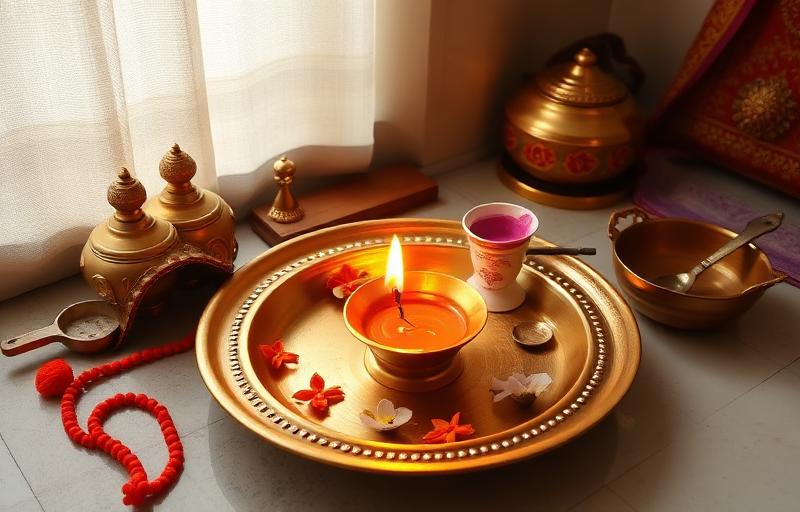
As per tradition, home shrines, regular puja and the observance of vrats remain common practice, with many families in both countries able to trace their devotional lineage back to the specific villages in India their ancestors left generations ago.
Festivals That Keep the Faith Alive

Diwali, locally called Divali, is a national public holiday in both Guyana and Suriname, celebrated with lit diyas, sweets and community programmes. Phagwah, the regional name for Holi, is celebrated with particular joy and colour across both countries, drawing communities of every background into the celebration.
Guyana observes Indian Arrival Day on 5 May, while Suriname marks Hindostani Immigration Day on 5 June, both honouring the ancestors whose journey made today's devotional life possible.
Experiencing the Heritage Today
Visitors to Georgetown in Guyana or Paramaribo in Suriname can find mandirs welcoming respectful guests, particularly during the lead-up to Diwali and Phagwah when temple grounds come alive with preparation and celebration. Many temples are happy to explain their history to visitors curious about how Hindu tradition took root so far from India.
As with any mandir, modest dress and a quiet, respectful manner within the sanctum are appreciated.
A Simple Mantra and the Takeaway
Devotees in both Guyana and Suriname often chant "Om Namah Shivaya" or sing chowtal folk hymns during Phagwah, songs that have been passed down through generations since the earliest days of indenture. Many families still keep a small jhandi flag outside their home, marking prayers offered and faith renewed.
Across two riverbanks far from the Ganga, the devotional life first carried over by indentured ancestors continues, largely unbroken. Worship here, as everywhere, is an act of faith and love, not a transaction.
Quick Answers
When did Indian indentured labourers first arrive in Guyana and Suriname?+
Labourers first arrived in what was then British Guiana in 1838 aboard the Whitby and Hesperus, and in Dutch Suriname in 1873 aboard the Lalla Rookh.
What is Phagwah?+
Phagwah is the regional name used in Guyana and Suriname for Holi, celebrated with colour, music and community gatherings across both countries.
Is Diwali a public holiday in Guyana and Suriname?+
Yes, Diwali, known locally as Divali, is a national public holiday in both Guyana and Suriname, reflecting the deep-rooted place of Hindu tradition in both nations.
About the author
Pandit Ravindra Sharma · Vedic Rituals & Bhakti, 22+ years
Pandit Ravindra is the Vandnaa editorial team's resident specialist on aarti, chalisa, and daily devotion. He has performed home and temple pujas across Varanasi and Delhi for over two decades and contributes the bhakti-focused articles on this site.
Meet the Vandnaa editorial team →