How Hindu Faith Came to Trinidad
Hindu faith in Trinidad and Tobago traces back to 1845, when the ship Fatel Razack brought the first indentured labourers from India to work the island's sugar estates. Over the following decades, tens of thousands more followed from villages across Bihar and Uttar Pradesh, crossing what the labourers themselves called the kala pani, the dark, forbidding waters that many believed could sever caste and custom.
Yet faith crossed with them. Devotees carried small murtis, tulsi seeds, copies of the Ramcharitmanas and the memory of rituals learned at home, and out of these fragments, a living Hindu community was rebuilt on Caribbean soil, one that today makes up a significant part of Trinidad and Tobago's population.
Temples Built Against the Odds
Among Trinidad's most beloved shrines is the Temple in the Sea at Waterloo, built by hand over decades by a devotee named Siewdass Sadhu after he was denied land for a temple on shore. Undeterred, he carried stone and cement out into the Gulf of Paria himself, building a small mandir to Lord Shiva on a tiny man-made island, a monument now to patient, unshakeable devotion.
Beyond Waterloo, mandirs both large and small dot villages across the island, many built by early indentured families and still tended by their descendants, alongside newer temples raised as the community's prosperity grew.
Festivals That Keep the Faith Alive
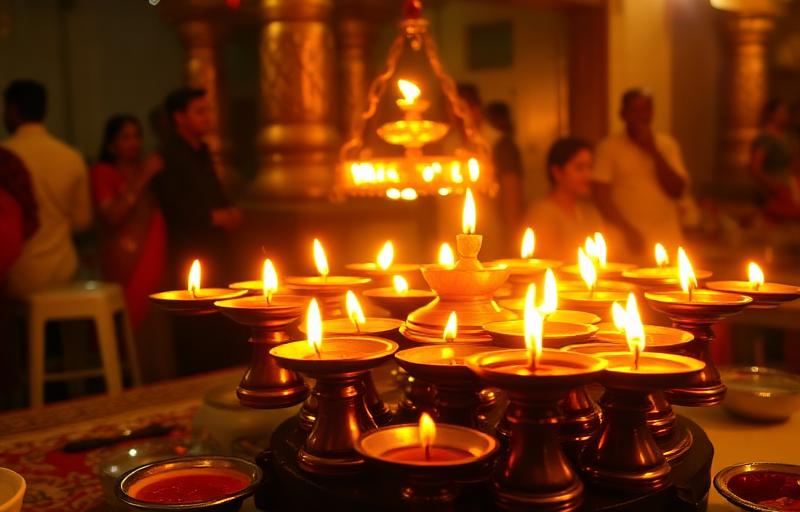
Each year, Divali Nagar in Chaguanas transforms into a small city of lights, lectures and cultural programmes in the weeks before Diwali, drawing visitors from across Trinidad. Ramleela, the dramatic retelling of the Ramayana performed by village troupes over many nights, has been passed down for generations and is recognised as an important piece of the island's cultural heritage.
Diwali itself is marked as a national public holiday in Trinidad and Tobago, a rare honour that reflects how deeply Hindu tradition is woven into the country's shared calendar.
Significance for Today's Devotees

For Indo-Trinidadian Hindus, faith carried across the kala pani has become a source of deep pride and identity, sustained through organisations like the Sanatan Dharma Maha Sabha, which oversees hundreds of temples and Hindu schools across the island. Devotees believe that the very survival of their traditions, against the odds of indenture and displacement, is itself a sign of divine grace.
As per tradition, families continue to observe pujas, samskaras and vrats much as their ancestors did, even as the outward setting has changed from Indian villages to Caribbean towns.
Visiting the Temples of Trinidad
Visitors to Trinidad can walk out to the Temple in the Sea at Waterloo along its short causeway, or time a trip around Divali Nagar for a full immersion in the island's Hindu cultural life. Many village mandirs also welcome respectful visitors during regular puja hours.
As with any mandir, modest dress and quiet respect are appreciated, and visitors are often struck by how naturally Hindu tradition sits alongside the island's other communities and faiths.
A Simple Mantra and the Takeaway
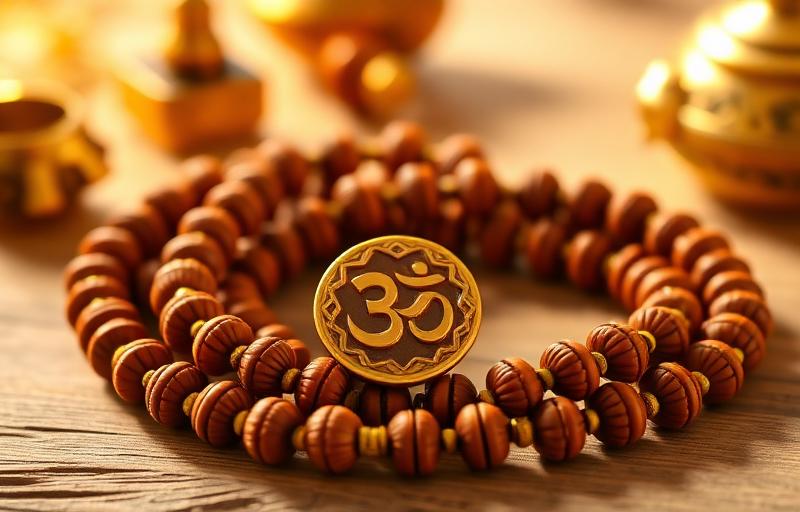
Devotees across Trinidad often begin their prayers with the simple invocation "Om Namah Shivaya" or recite chaupais from the Ramcharitmanas, the very text that sustained their ancestors' faith through the long sea crossing. Many homes still keep a small jhandi, a flag on a bamboo pole, marking a puja performed and a prayer answered.
The story of Hindu Trinidad is, at its heart, a story of devotion that refused to be left behind. Worship here, as everywhere, is an act of faith and love, not a transaction.
Common Questions From Devotees
When did Hindu indentured labourers first arrive in Trinidad?+
The first ship, the Fatel Razack, brought indentured labourers from India to Trinidad in 1845, beginning nearly a century of migration that shaped the island's Hindu community.
What is the Temple in the Sea at Waterloo?+
It is a small mandir to Lord Shiva built by hand on a man-made island in the Gulf of Paria by a devotee named Siewdass Sadhu, after he was refused land on shore for a temple.
Is Diwali a public holiday in Trinidad and Tobago?+
Yes, Diwali is observed as a national public holiday in Trinidad and Tobago, celebrated by the whole country alongside the Hindu community's own festivities.
About the author
Pandit Ravindra Sharma · Vedic Rituals & Bhakti, 22+ years
Pandit Ravindra is the Vandnaa editorial team's resident specialist on aarti, chalisa, and daily devotion. He has performed home and temple pujas across Varanasi and Delhi for over two decades and contributes the bhakti-focused articles on this site.
Meet the Vandnaa editorial team →