Why Anger Needs Healing
Anger feels powerful in the moment, but it leaves behind regret, broken trust and a restless heart. In the Hindu tradition, krodha (anger) is counted among the inner enemies that disturb the mind and pull us from peace. The good news is that anger is not who we are - it is a passing storm we can learn to weather. With awareness and a few spiritual tools, the same energy can be cooled into calm strength.
How the Gita Explains Anger
The Bhagavad Gita gives a precise chain of how anger and downfall arise:
Dhyayato vishayan pumsah sangas teshupajayate; sangat sanjayate kamah kamat krodho bhijayate.
ध्यायतो विषयान्पुंसः सङ्गस्तेषूपजायते (Gita 2.62)
Meaning: 'Dwelling on objects of the senses breeds attachment; from attachment comes desire; from desire comes anger.' Krishna shows that anger is born when a desire is blocked. Catching the chain early - at the dwelling and craving stage - is the spiritual way to control anger at its root.
What Anger Does to the Mind
Krishna continues with a warning about the cost of anger:
Krodhad bhavati sammohah sammohat smriti-vibhramah; smriti-bhramshad buddhi-nasho buddhi-nashat pranashyati.
क्रोधाद्भवति सम्मोहः सम्मोहात्स्मृतिविभ्रमः (Gita 2.63)
Meaning: 'From anger comes delusion; from delusion, loss of memory; from loss of memory, loss of reason; and when reason is lost, a person is ruined.' This is why we say and do things in anger that we later regret - anger temporarily destroys clear thinking. Remembering this consequence itself becomes a reason to pause.
The Sacred Pause and Conscious Breath
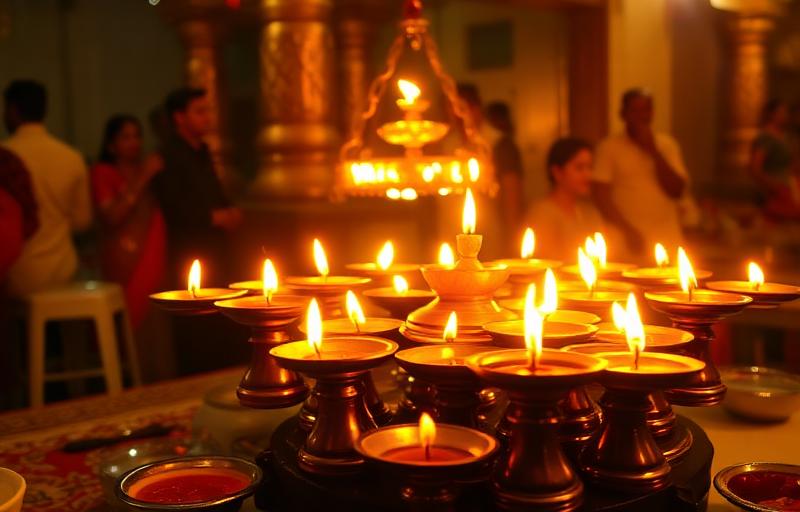
The single most powerful tool is the pause - the small gap between feeling anger and acting on it. In that gap lies all our freedom: 1. The moment you feel heat rising, stop and stay silent for a few seconds. 2. Take a slow, deep breath in through the nose, feeling the belly expand. 3. Exhale longer than you inhale, mentally saying 'shanti' (peace). 4. Repeat for five breaths before you speak or react. This simple breath practice calms the nervous system and lets your reason return, exactly as the Gita warns it can otherwise be lost.
Cooling Anger with Japa and Mantra
Chanting a mantra gives the agitated mind a calm object to rest on. When anger rises, silently repeat:
Om Namah Shivaya
ॐ नमः शिवाय
Shiva, the great yogi who remains serene amid all storms, is the perfect refuge for a heated mind. Repeat the mantra slowly with the breath, letting each round soften the tension. A daily practice of even 5-10 minutes of japa, when you are not angry, builds a reservoir of calm that you can draw on in difficult moments.
A Daily Plan to Master Anger
Lasting change comes from steady practice, not a single effort: 1. Watch the chain - notice cravings and expectations before they harden into demands. 2. Build a daily japa or meditation habit to keep the mind cool at baseline. 3. Use the pause and breath every single time anger flares. 4. Reduce triggers - enough sleep, less screen-fed agitation, and honest expression before resentment builds. 5. Forgive and let go, remembering that holding anger harms you most. 6. Pray for patience, offering your effort to the Divine and asking for a steady heart.
Quick Answers
What does the Gita say about anger?+
In Gita 2.62-2.63, Krishna shows that dwelling on sense objects breeds attachment, attachment breeds desire, and blocked desire breeds anger. Anger then leads to delusion, loss of memory and reason, and ruin.
What is the quickest spiritual way to control anger?+
The pause is the quickest tool. The moment anger rises, stay silent, take a few slow breaths with a longer exhale while mentally saying 'shanti', and let your reason return before you speak or act.
Which mantra helps calm anger?+
'Om Namah Shivaya' is a wonderful mantra for anger. Shiva is the great yogi who stays serene amid all storms, so silently repeating his mantra with slow breaths gives the heated mind a calm refuge.
How does daily japa help with anger?+
Practising japa for even 5-10 minutes a day when you are not angry builds a reservoir of calm. A mind kept cool at baseline is far less likely to flare, and the familiar mantra becomes easy to reach for in difficult moments.
Why is anger called harmful in Hindu tradition?+
Krodha (anger) is counted among the inner enemies that disturb the mind. As Gita 2.63 explains, anger destroys clear thinking and memory, leading us to say and do things we later regret and harming our peace and relationships.
Can I get rid of anger completely?+
Anger is natural, but it can be steadily reduced and managed rather than denied. With awareness of the desire-anger chain, the pause, breath, daily japa, forgiveness and prayer for patience, the same energy can be cooled into calm strength over time.
About the author
Anjali Mehta · Editor, M.A. Religious Studies
Anjali is the managing editor for Vandnaa and oversees the festival and vrat coverage. She holds an M.A. in Religious Studies and reviews every published article for accuracy, accessibility, and tradition-fidelity.
Meet the Vandnaa editorial team →Explore on Vandnaa
Related Articles

How to Find Inner Peace - Hindu Practices
9 min read
How to Stay Positive - Daily Spiritual Habits
9 min read
What the Gita Says About Happiness
9 min read

Om Namah Shivaya Mantra Benefits & Meaning (ॐ नमः शिवाय)
9 min read
Maha Mrityunjaya Mantra: Meaning & Benefits (महा मृत्युंजय मंत्र)
9 min read
Bhagavad Gita - All 18 Chapters Summary & Key Teachings
10 min read