What Is Shradh and Pitru Paksha
Shradh (from shraddha, meaning faith) is the sacred rite of honouring our departed ancestors with food, water and prayer. Pitru Paksha is the fortnight set aside for this - the Krishna paksha (waning fortnight) of the month of Bhadrapada, leading up to Mahalaya Amavasya. It is not a time of mourning but of loving remembrance and gratitude, when the family repays its debt to the pitra (ancestors) and seeks their continued blessings.
Why We Perform Shradh
Hindu tradition holds that we owe a pitra rin (debt to our ancestors) for the gift of life and lineage. Performing Shradh is the way to repay this debt with gratitude, offering nourishment and peace to the souls of those who came before us. It is believed that satisfied ancestors bless the family with health, harmony, progeny and prosperity, while neglected duties can bring unrest known as pitra dosh.
Samagri and Preparations
Keep these ready before the ritual: 1. Black sesame (til), raw rice, barley and kusha grass for tarpan. 2. A vessel of clean water and a wide plate or thali to perform tarpan over. 3. Cooked sattvic food (kheer-puri is traditional), without onion or garlic. 4. Pind made of cooked rice or barley flour mixed with sesame, milk and honey, for pind daan. 5. A white or undyed cloth, a ghee lamp and seasonal fruits or flowers. The eldest son or a male family member traditionally performs it, but with right intent any sincere family member may offer Shradh.
Step-by-Step Shradh Vidhi
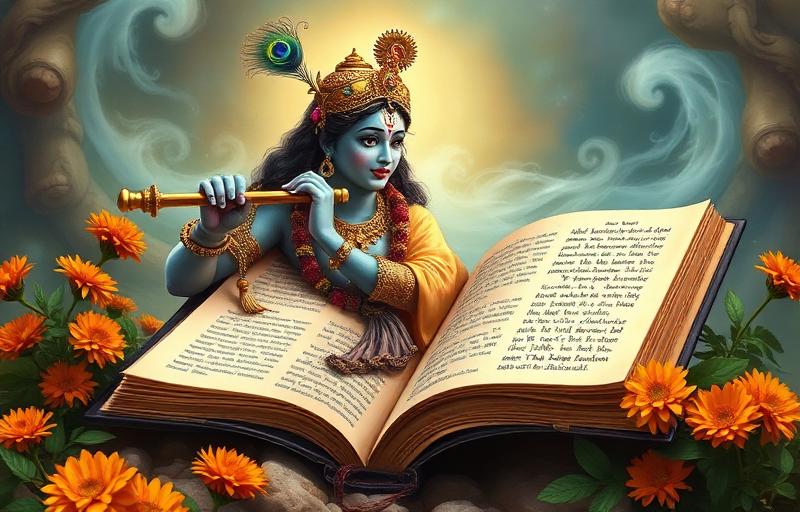
1. Bathe early, wear clean clothes, and perform the rite at midday (Kutup or Rohini muhurat) facing south, the direction of the ancestors. 2. Take a sankalp, remembering the departed by name and gotra. 3. Perform tarpan: offer water mixed with black sesame and kusha grass through the fingers, praying for the peace of the pitra. 4. Offer pind daan: place the prepared pinds and pray that the ancestors accept the nourishment. 5. Feed brahmins or the needy a sattvic meal, treating them as representatives of the ancestors. 6. Set aside a portion of food for the crow (said to carry offerings to the pitra), as well as for a cow and a dog. 7. Conclude with prayers of gratitude and seek the blessings of the ancestors for the whole family.
Right Tithi and Timing
Shradh is performed on the tithi (lunar date) on which the person passed away, falling within the Pitru Paksha fortnight. If the date is unknown or for all ancestors together, Sarva Pitru Amavasya (Mahalaya Amavasya), the last day, is used. The ideal time of day is the aparahna kaal (afternoon), especially the Kutup and Rohini muhurats. The rite should be completed before evening, never at night.
Rules and Things to Avoid
Do: keep the food sattvic and freshly cooked, perform the rite with calm gratitude, and treat brahmins, the needy, cows, crows and dogs with respect. Offer the first portion to the fire, cow and crow before others eat. Dont: avoid onion, garlic, alcohol and non-vegetarian food during Pitru Paksha. Do not start new ventures, buy new items or celebrate festivities in this fortnight, and never perform Shradh in anger or haste - the feeling of shraddha is the heart of the rite.
Quick Answers
What is Pitru Paksha?+
Pitru Paksha is a sacred sixteen-day fortnight in the Krishna paksha of the month of Bhadrapada, dedicated to honouring departed ancestors through Shradh, tarpan and pind daan, ending on Mahalaya Amavasya.
What is the difference between tarpan and pind daan?+
Tarpan is the offering of water mixed with sesame and kusha grass to satisfy the ancestors. Pind daan is the offering of rice or barley balls (pind) as symbolic nourishment to their souls. Both are parts of Shradh.
Why do we feed a crow during Shradh?+
The crow is believed to carry offerings to the ancestors and is treated as their messenger. Feeding a crow, along with a cow and a dog, before eating is an important part of the Shradh rite.
On which day should Shradh be performed?+
Shradh is done on the tithi on which the person passed away, within Pitru Paksha. If the date is unknown or for all ancestors, it is performed on Sarva Pitru Amavasya, the last day of the fortnight.
Can Shradh be performed at home without a priest?+
Yes. A simple Shradh with tarpan, sattvic food, and offerings to a crow, cow and the needy can be done at home with sincere faith. A priest helps with elaborate mantras but is not essential.
What should be avoided during Pitru Paksha?+
Avoid onion, garlic, alcohol and non-vegetarian food, and refrain from starting new ventures, buying new items or holding celebrations. The fortnight is meant for quiet gratitude and remembrance, not festivity.
About the author
Pandit Ravindra Sharma · Vedic Rituals & Bhakti, 22+ years
Pandit Ravindra is the Vandnaa editorial team's resident specialist on aarti, chalisa, and daily devotion. He has performed home and temple pujas across Varanasi and Delhi for over two decades and contributes the bhakti-focused articles on this site.
Meet the Vandnaa editorial team →Explore on Vandnaa
Related Articles

How to Do Rudrabhishek (Shiva Abhishek) at Home
9 min read
How to Make Rangoli - Significance & Festival Designs
8 min read
Gau Mata Puja - Significance, Benefits & Vidhi to Worship the Cow
9 min read
Home Mandir Setup - Direction, Vastu Rules, Dos and Don'ts
9 min read

Gayatri Mantra Meaning, Benefits & How to Chant (गायत्री मंत्र)
12 min read
Vishnu Sahasranama: The 1000 Names of Vishnu - Meaning, Benefits & Daily Recitation Vidhi
12 min read