What Is Rangoli
Rangoli is the traditional Indian art of creating colourful patterns on the floor, usually at the entrance of a home, using coloured powders, rice flour, flowers or petals. Known by many names - kolam in the south, alpana in Bengal, mandana in Rajasthan and rangavalli in Sanskrit - it is drawn during festivals, weddings and daily worship. More than decoration, it is a heartfelt act of welcome and devotion at the threshold of the home.
Spiritual Significance of Rangoli
Rangoli is believed to welcome Goddess Lakshmi, the deity of wealth and prosperity, who is said to enter homes that are clean and beautifully decorated. The patterns are thought to attract positive energy and ward off negativity at the doorway. Traditionally drawn with rice flour, rangoli also reflects the value of sharing with all creatures, as ants and birds may feed on it. Its symmetry and beauty turn the daily act of decorating the threshold into a small, joyful prayer.
Materials You Need
You can make rangoli with simple, natural materials: 1. Rangoli powder or coloured rangoli colours in a few favourite shades. 2. Rice flour or chalk powder for the base outline (white). 3. Fresh flower petals such as marigold, rose and chrysanthemum for floral rangoli. 4. Coloured rice, pulses, or sawdust for textured designs. 5. A pinch grip, cone or sieve to control the flow of powder, and a small bowl of water. 6. Diyas (lamps) to place around the rangoli, especially for Diwali. Beginners can use a stencil or chalk outline before filling in colours.
Step-by-Step Method
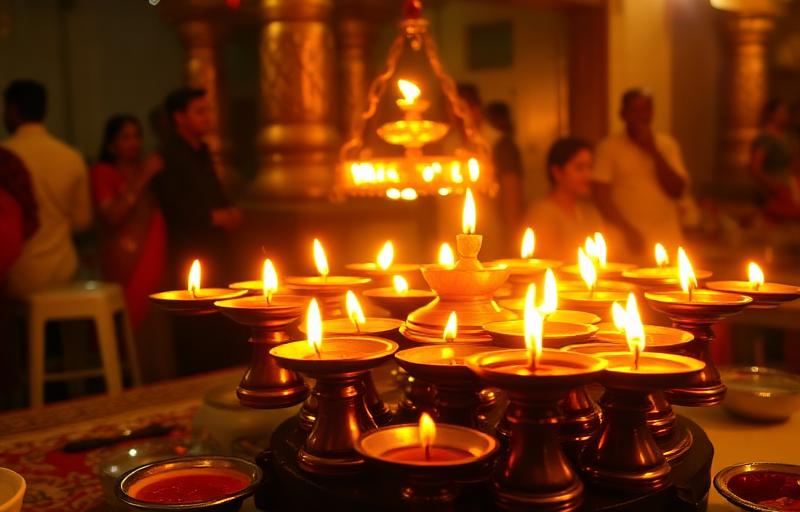
1. Clean and lightly dampen the floor at the entrance so the powder sticks well. 2. Mark a few guiding dots (chukki) in a grid to keep the design symmetrical. 3. Draw the outline first with white rice flour or chalk powder, connecting the dots. 4. Fill in the shapes with coloured powder, working from the centre outward to avoid smudging. 5. Add details such as a lotus, diya, swastika or peacock, and a border to frame the design. 6. For a floral rangoli, arrange petals within the outline instead of powder. 7. Finally, place diyas or small lamps around the rangoli and light them at dusk.
Designs for Diwali, Pongal and Onam
Each festival has its own beloved rangoli style: 1. Diwali - bright, symmetrical designs with diyas, lotus, Lakshmi feet (charan), peacocks and geometric mandalas to welcome the goddess of wealth. 2. Pongal (Tamil Nadu) - the kolam, drawn with rice flour in white and simple colours, often featuring the Pongal pot, sugarcane and the sun to mark the harvest. 3. Onam (Kerala) - the pookalam, a stunning circular floral rangoli made entirely of flower petals in concentric rings, created over the ten days of the festival. Choose a design that fits your space and the spirit of the celebration.
Tips for a Beautiful Rangoli
Start with a simple, symmetrical pattern using guiding dots and practise the outline before adding colour. Keep colours bright and contrasting, and use a steady hand with light pressure for clean lines. For a longer-lasting rangoli, mix the powder lightly with a little fine salt or sand. Most importantly, make it with a happy, devotional mind, as the love behind a simple rangoli matters more than its complexity.
Common Questions From Devotees
What is the significance of rangoli?+
Rangoli is an auspicious threshold art believed to welcome Goddess Lakshmi and positive energy into the home, while warding off negativity. It is a joyful act of devotion drawn during festivals and daily worship.
Why is rangoli made at the entrance of the home?+
The entrance is the point where energy and guests enter the home. A rangoli there is believed to invite Lakshmi and good fortune in and to greet everyone with beauty and warmth at the threshold.
What materials are used to make rangoli?+
Common materials are coloured rangoli powders, rice flour, chalk powder, fresh flower petals, coloured rice or pulses, and sawdust. Diyas are placed around it, especially during Diwali.
What is the difference between rangoli, kolam and pookalam?+
Rangoli is the general North Indian term. Kolam is the South Indian style drawn with rice flour, often for Pongal. Pookalam is the Kerala floral rangoli made entirely of flower petals, central to Onam.
Which rangoli design is best for Diwali?+
For Diwali, bright symmetrical designs with diyas, lotus, Lakshmi feet (charan), peacocks and geometric mandalas are most popular, as they welcome the goddess of wealth into the home.
How can a beginner make a neat rangoli?+
Begin with guiding dots and a simple symmetrical pattern, draw the white outline first, then fill colours from the centre outward. A stencil or chalk outline helps, and practice on paper builds a steady hand.
About the author
Pandit Mahesh Trivedi · Festival Traditions & Panchang
Pandit Mahesh leads the festival-date and Panchang content on Vandnaa. He cross-references multiple regional panchangs (Drik, Vaishnava, Bengali, Marathi) for every festival date published on the site.
Meet the Vandnaa editorial team →Explore on Vandnaa
Related Articles

How to Do Shradh (Pitru Paksha) - Vidhi & Rules
9 min read
Lakshmi Aarti Lyrics – Om Jai Lakshmi Mata (लक्ष्मी आरती)
8 min read
Home Mandir Setup - Direction, Vastu Rules, Dos and Don'ts
9 min read

How to Do Rudrabhishek (Shiva Abhishek) at Home
9 min read
Gau Mata Puja - Significance, Benefits & Vidhi to Worship the Cow
9 min read
Durga Aarti Lyrics – Ambe Tu Hai Jagdambe Kali (दुर्गा आरती)
8 min read