Why Start Early
Children absorb sounds, habits and values most easily in their early years. Teaching simple prayers and shlokas early plants seeds of devotion, gratitude, discipline and calm that grow with them for life. The goal is not to force memorisation but to make spirituality feel warm, joyful and natural. A few minutes of prayer each day gently shapes a child's character and gives them an inner anchor for the years ahead.
Start with Simple Sounds and Shlokas
Begin with the easiest, shortest prayers so the child feels success, not pressure: 1. Om - chanting Om a few times is calming and a perfect first step. 2. A short Ganesh shloka - Vakratunda Mahakaya... - to begin any task. 3. The Gayatri Mantra, learned slowly line by line as the child grows. 4. A simple food prayer before meals and a goodnight prayer at bedtime. Keep each session short - even two or three minutes - and full of warmth and praise.
Make It a Daily Habit
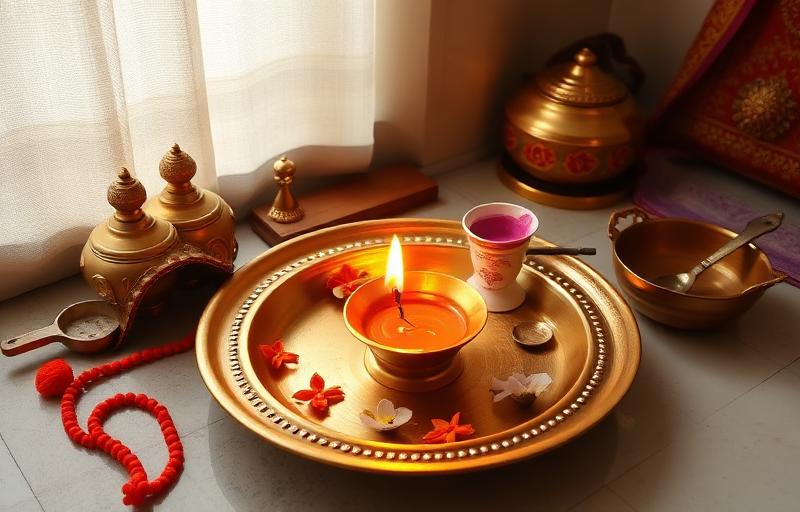
Children thrive on routine, so tie prayers to fixed daily moments. Have a short prayer in the morning after waking and brushing, before meals, and at bedtime. Keep a small, child-friendly home mandir they can see and reach, and let them help with simple tasks like lighting an electric diya, ringing the bell or offering a flower. Consistency, even if brief, matters far more than long, occasional sessions.
Use Stories to Teach Values
Children remember values best through stories, not lectures. Share short tales of Krishna's childhood, Hanuman's devotion and courage, Prahlad's faith, and Shravan Kumar's love for his parents. After each story, gently draw out the value - honesty, kindness, respect for elders, sharing or courage. Picture books, festival tales and bedtime mythology turn good values into something a child loves rather than something they are told to do.
Lead by Loving Example
Children imitate what they see far more than what they are told. When they watch parents pray sincerely, speak truthfully, touch elders' feet and treat others with kindness, they learn naturally. Pray together as a family rather than only instructing the child. Show respect for books, food and elders in your own actions, and let the child see that devotion brings you calm and happiness - this quiet example teaches more than any lesson.
Gentle Dos and Donts
Do: keep sessions short and joyful, praise effort, explain meanings in simple words, use music and bhajans, and let the child participate hands-on. Don't: force, scold or compare children, demand perfect pronunciation, make prayer feel like a chore, or rush the Gayatri or longer mantras before the child is ready. The aim is to build love for devotion - patience and warmth always work better than pressure.
Reader Questions Answered
At what age should kids start learning prayers?+
Children can start as early as two or three years with simple sounds like Om and short shlokas. The early years are ideal as kids absorb sounds and habits naturally, without pressure.
Which shlokas are easiest for children to learn first?+
Start with Om, a short Ganesh shloka like 'Vakratunda Mahakaya', a simple food prayer and a bedtime prayer. The Gayatri Mantra can be taught slowly, line by line, as the child grows.
How can I make prayer a daily habit for my child?+
Tie prayers to fixed moments - after waking, before meals and at bedtime. Keep a small home mandir the child can reach and let them help with simple tasks. Short, consistent sessions work best.
How do stories help in teaching values?+
Children remember values through stories far better than lectures. Tales of Krishna, Hanuman, Prahlad and Shravan Kumar teach honesty, devotion, faith and respect for elders in a way kids love.
Should I force my child to memorise mantras?+
No. Forcing creates resistance. Keep sessions short and joyful, praise effort over perfection, and let learning happen gently. The aim is to build love for devotion, not rote memorisation.
What is the most important thing in teaching kids devotion?+
Leading by example. Children imitate what they see, so when parents pray sincerely, speak truthfully and treat others kindly, kids learn naturally. Praying together as a family teaches the most.
About the author
Pandit Ravindra Sharma · Vedic Rituals & Bhakti, 22+ years
Pandit Ravindra is the Vandnaa editorial team's resident specialist on aarti, chalisa, and daily devotion. He has performed home and temple pujas across Varanasi and Delhi for over two decades and contributes the bhakti-focused articles on this site.
Meet the Vandnaa editorial team →Explore on Vandnaa
Related Articles

Gayatri Mantra Meaning, Benefits & How to Chant (गायत्री मंत्र)
12 min read

Ganesh Aarti Lyrics – Jai Ganesh Deva (गणेश आरती)
8 min read

How to Read Hanuman Chalisa Path Correctly - Niyam & Vidhi
9 min read

How to Do Tulsi Puja Daily - Vidhi, Niyam & Rules
8 min read
Ahoi Ashtami - Vrat Katha, Puja Vidhi & Niyam for Children
9 min read
Krishna Aarti Lyrics in Hindi & English - Aarti Kunj Bihari Ki
9 min read