Why Tulsi Is Worshipped
Tulsi (holy basil) is the most sacred plant in Hindu tradition, revered as Tulsi Mata, a manifestation of Goddess Lakshmi and the beloved of Lord Vishnu. A home with a worshipped Tulsi is believed to be blessed with purity, prosperity, health and peace. Daily Tulsi puja is a simple, gentle ritual that anyone can keep, drawing positive energy and divine grace into the household.
Where to Place Tulsi
Place the Tulsi plant in the north, north-east or east of the home or courtyard, where it gets morning sunlight; traditionally it sits in a raised Tulsi vrindavan or clean pot. Keep the area around it clean and free of clutter, shoes and dustbins. Avoid placing Tulsi in the south, in dark corners, or on the ground floor near waste. A clean, sunlit, respectful spot keeps the plant healthy and the worship auspicious.
Morning Tulsi Puja Vidhi
1. After bathing in the morning, approach Tulsi Mata with a clean body and clothes. 2. Offer fresh water to the plant gently (avoid offering water on Sundays and Ekadashi, when Tulsi is said to rest or fast). 3. Apply a little roli or kumkum and offer akshat (rice) and a flower at the base. 4. Fold your hands and recite a simple prayer or Om Tulsayai Namah, or chant the Tulsi mantra. 5. Do a respectful parikrama (circumambulation), ideally three times, around the plant. Keep the offering simple and the heart devoted; consistency matters more than elaborate ritual.
Evening Diya and Parikrama
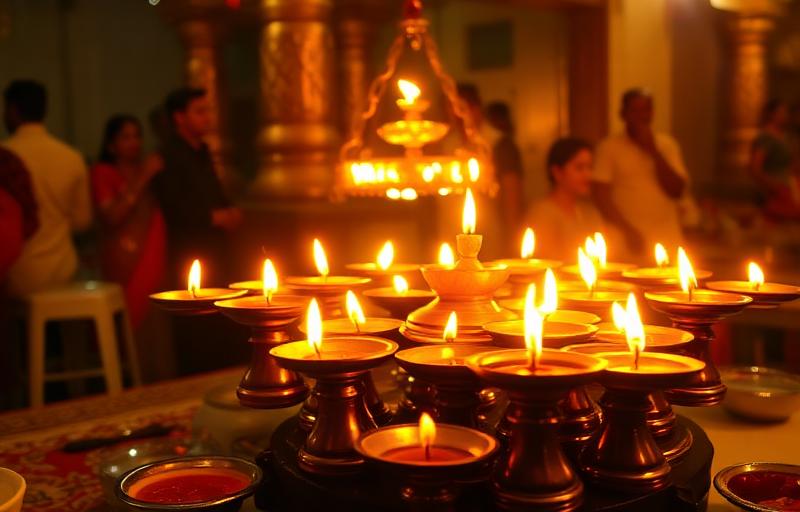
In the evening, around dusk, light a ghee or oil diya at the base of the Tulsi plant. This is one of the most cherished daily practices, said to invite Lakshmi and drive away negativity from the home. Fold your hands, offer a short prayer, and do parikrama again if you wish. The soft glow of the Tulsi diya at twilight is considered deeply purifying and auspicious for the whole family.
Important Niyam and Rules
Follow these niyam to keep the worship pure: 1. Do not pluck Tulsi leaves after sunset, on Sundays, Ekadashi, or during eclipses; if leaves are needed, pick gently in daylight with respect. 2. Never pluck leaves with nails roughly or for no reason; offer a small prayer first. 3. Always approach after bathing, with clean hands and feet. 4. Keep the plant well watered (except Sundays and Ekadashi) and remove dried leaves with care. 5. Do not let the plant dry out or be treated carelessly, as a withering Tulsi is considered inauspicious. Respect and regular care are the true heart of Tulsi seva.
Benefits of Daily Tulsi Puja
Daily Tulsi puja is believed to bring Lakshmi's blessings of prosperity, harmony and good health to the home, and to purify its atmosphere. The plant itself is valued in Ayurveda for boosting immunity and cleansing the air. Beyond this, the simple morning-and-evening routine instils discipline, gratitude and a calm, devotional rhythm in family life, making it a beautiful daily anchor for households of all sizes.
Common Questions From Devotees
Can we offer water to Tulsi every day?+
Yes, offer fresh water in the morning daily, except on Sundays and Ekadashi when Tulsi is said to rest or fast. Approach after bathing, with a clean body and clothes.
Why should Tulsi leaves not be plucked after sunset?+
Tulsi is said to rest after sunset, so leaves are not plucked then, nor on Sundays, Ekadashi or during eclipses. When needed, pick gently in daylight with respect and a short prayer.
Where should the Tulsi plant be placed at home?+
Place Tulsi in the north, north-east or east where it gets morning sunlight, ideally in a raised Tulsi vrindavan. Keep the surrounding area clean and free of shoes, clutter and dustbins.
What is the benefit of lighting a diya near Tulsi?+
Lighting an evening diya at the Tulsi plant is said to invite Goddess Lakshmi, drive away negativity, and bring peace and prosperity. It is one of the most cherished daily home rituals.
Which mantra can I chant during Tulsi puja?+
You can chant 'Om Tulsayai Namah' or a simple Tulsi prayer while offering water and doing parikrama. A sincere, devoted heart matters more than a long or complex mantra.
Is it inauspicious if the Tulsi plant dries up?+
A withering Tulsi is considered inauspicious, so the plant should be watered and cared for regularly. If it dries despite care, gently immerse it in flowing water and lovingly plant a new one.
About the author
Pandit Mahesh Trivedi · Festival Traditions & Panchang
Pandit Mahesh leads the festival-date and Panchang content on Vandnaa. He cross-references multiple regional panchangs (Drik, Vaishnava, Bengali, Marathi) for every festival date published on the site.
Meet the Vandnaa editorial team →Explore on Vandnaa
Related Articles
Tulsi Mata Aarti & Chalisa - Significance & Puja Vidhi
8 min read
Tulsi Plant at Home: Right Direction, Vastu Rules & 9 Sacred Benefits Every Hindu Should Know
8 min read
Home Mandir Setup - Direction, Vastu Rules, Dos and Don'ts
9 min read

How to Read Hanuman Chalisa Path Correctly - Niyam & Vidhi
9 min read
How to Teach Kids Prayers, Shlokas & Values at Home
8 min read
Panchamrit - Meaning, 5 Ingredients, Significance & Puja Vidhi
8 min read