What is an Ishta Devta? Your Chosen Form of the Divine
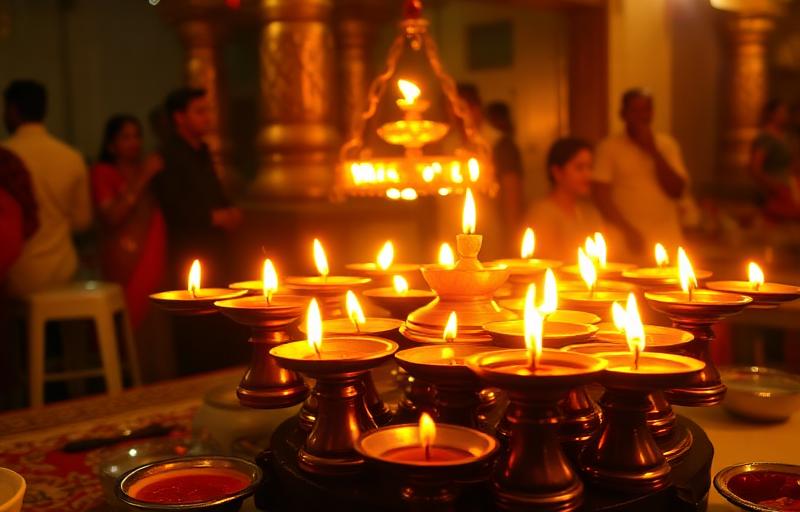
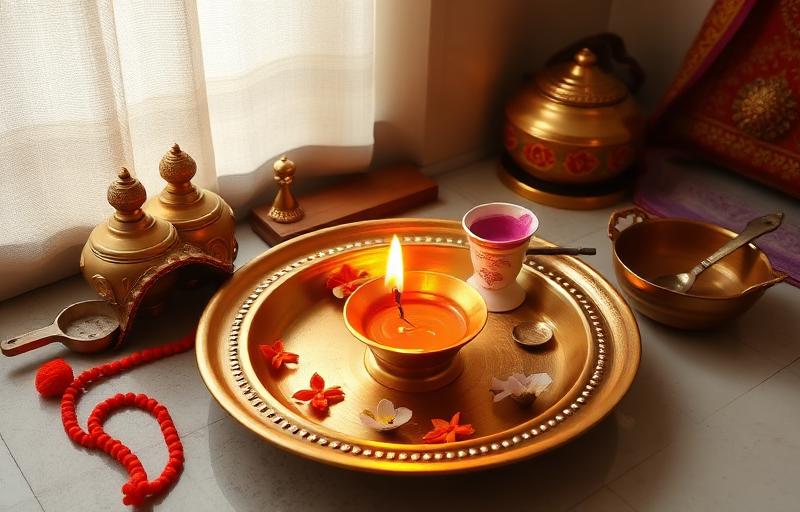
Ishta Devta means the cherished or chosen deity - from ishta (beloved, desired) and devta (divine form). It is the particular face of God your heart most naturally turns to: Krishna for one devotee, Shiva for another, Hanuman, Devi, Ram, Ganesha or Surya for others. The ishta is not your only deity; it is your doorway. Just as a child in a large joint family loves all the elders but runs first to one lap, the devotee honours all forms while pouring daily love into one. This focus is practical wisdom: love deepens by concentration, not distribution. The Yoga Sutras hint at this with svadhyayad ishta-devata-samprayogah (2.44) - through self-study and devotion, communion with one's chosen deity arises. With an ishta, puja stops being a ritual checklist and becomes a relationship - the difference between greeting a crowd and talking with a beloved friend.
Why Hinduism Offers Many Forms of One Brahman
The many deities of Hinduism are not many gods competing for loyalty; they are many doors into one house. The Rig Veda declared it at the very beginning: Ekam sat vipra bahudha vadanti - Truth is one, the wise call it by many names. The one infinite Brahman is beyond all form, but the human heart cannot embrace the formless directly; it needs a face to love, eyes to meet, a name to call at midnight. So the infinite graciously appears in forms suited to every temperament: as the playful beloved (Krishna), the silent ascetic (Shiva), the fierce protective Mother (Durga), the perfect king (Ram), the devoted servant (Hanuman), the remover of obstacles (Ganesha). The Gita confirms this generosity: ye yatha mam prapadyante tams tathaiva bhajamy aham (4.11) - however people approach Me, I receive them in that very way. Choosing an ishta is therefore not narrowing God down; it is accepting the door He himself opened toward you.
How the Ishta Usually Comes to You
Devotees rarely sit down and select an ishta from a list. The ishta arrives through four natural channels: 1. Family tradition - most homes already worship a kuldevta or kuldevi, the family deity honoured for generations. Beginning where your lineage has long bowed carries quiet power, and for many the kuldevta and ishta are one. 2. Temperament - a disciplined, austere nature often leans toward Shiva; a heart full of longing and sweetness toward Krishna; a dutiful, protective spirit toward Ram or Hanuman; one who reveres power and motherhood toward Devi. 3. The form that draws your heart - notice whose image makes you pause, whose name rises uncalled in difficulty, whose temple pulls your feet, whose story brings unexplained tears. That pull is the choosing - in truth, the ishta chooses you. 4. Guru's guidance - a realised guru can see a disciple's inner constitution and formally give an ishta and mantra at diksha, the most traditional path of all.
Devotion Chooses, Charts Do Not
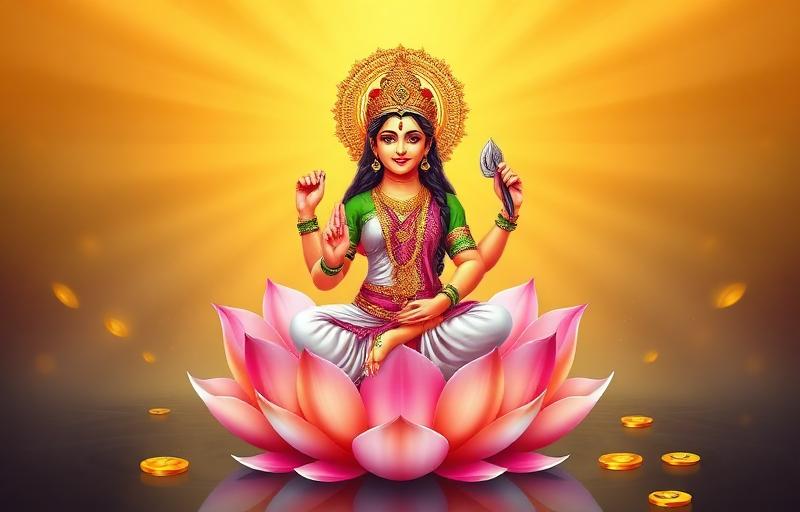
You may have seen websites and apps that claim to calculate your ishta devta from your birth chart. We say this gently and with respect for all sincere paths: the ishta is a matter of love, not calculation. No verse of the bhakti tradition asks Meerabai to verify Krishna against her horoscope, nor sends Tulsidas to check planetary positions before loving Ram. The saints chose - or rather were chosen - through the heart's irresistible pull, family devotion and the guru's grace. A deity assigned by formula remains a stranger on paper; a deity your heart already runs to is a living relationship. If a chart names one form and your heart longs for another, the tradition's answer is unambiguous: follow the heart, for that longing is itself the divine calling you home. Bhakti is the one path with no entry requirements - no chart, no qualification, no perfect moment. Where your love already flows, your ishta already stands.
One Ishta, Reverence for All Forms
A common worry: "If I focus on one deity, am I disrespecting the others?" The tradition answers with a beautiful balance called ishta-nishtha - firm devotion to one's chosen form alongside warm reverence for all forms. Since every devta is a face of the same Brahman, honouring your ishta honours all; slighting another form would slight your own ishta, who dwells in that form too. Practically, devotees keep this balance daily: a Krishna bhakt still bows at the Shiva mandir, celebrates Durga Puja, and begins ventures with Ganesh vandana - but the daily japa, the deepest conversation, the midnight tears belong to Krishna. Ramakrishna Paramahansa compared it to a devoted wife who serves her whole family lovingly yet shares her inmost heart with her husband alone. What the tradition does discourage is nindana - speaking ill of other forms - and constant switching, which keeps every relationship shallow. Dig one deep well rather than ten scratches in the soil; the same water of Brahman rises in each.
Building a Daily Bond with Your Ishta
Once the heart has settled on its ishta, the relationship grows the way all love grows - through daily presence: 1. Morning darshan - begin the day meeting your ishta's image before meeting your phone; even thirty seconds of eye contact reorients the whole day. 2. A fixed japa - one mala (108 repetitions) of your ishta's mantra or name daily; the name is the deity in sound-form. 3. Offer the ordinary - first sip of tea mentally offered, meals offered as bhog, the day's work dedicated each morning. 4. Learn their stories - read your ishta's lilas, sing their aarti and bhajans; knowledge feeds love. 5. Talk to them - in your own language, about real things: the difficult colleague, the worry about a parent. The ishta is a confidant, not a complaint window only. 6. Weekly deeper sitting - one longer puja or kirtan on your ishta's day (Monday for Shiva, Tuesday for Hanuman, and so on). Over months, something shifts: you stop visiting the ishta and start living with them.
What People Ask Most
What does ishta devta mean?+
Ishta devta means one's cherished or chosen deity - the particular form of the one divine (Brahman) that a devotee's heart most naturally loves and worships daily, such as Krishna, Shiva, Devi, Ram, Hanuman or Ganesha. It is a doorway into the infinite, not a limitation of it.
Can my ishta devta be calculated from my birth chart?+
The bhakti tradition does not choose the ishta by calculation. The ishta is found through the heart's natural pull, family tradition (kuldevta), temperament and the guru's guidance. If a formula names one deity and your heart longs for another, tradition says follow the heart - that longing is itself the divine call.
What is the difference between ishta devta and kuldevta?+
The kuldevta or kuldevi is the family deity worshipped by your lineage for generations; the ishta devta is the form your own heart is personally devoted to. For many people they are the same deity. When they differ, devotees honour the kuldevta in family rituals while keeping daily personal sadhana with the ishta.
If I worship one ishta, am I disrespecting other deities?+
No. Since every deity is a form of the same Brahman, deep devotion to your ishta honours all forms. Tradition teaches ishta-nishtha - firm devotion to one alongside reverence for all. A Krishna bhakt still bows to Shiva and celebrates Durga Puja; only speaking ill of other forms is discouraged.
How do I know which deity is my ishta?+
Notice whose name rises by itself in difficulty, whose image makes you pause, whose stories move you to tears, whose temple draws your feet. Consider your family's kuldevta and your own temperament, and seek a guru's guidance if available. The consistent pull of the heart over time is the answer.
Can my ishta devta change over time?+
It can happen, especially early in one's journey or after meeting a guru, and there is no sin in it - all forms are one Brahman. But tradition cautions against frequent switching, which keeps devotion shallow. Once a deep bond forms, stay and dig that one well deeper; the relationship matures with years.
About the author
Pandit Mahesh Trivedi · Festival Traditions & Panchang
Pandit Mahesh leads the festival-date and Panchang content on Vandnaa. He cross-references multiple regional panchangs (Drik, Vaishnava, Bengali, Marathi) for every festival date published on the site.
Meet the Vandnaa editorial team →