Who Is a Guru
The word Guru is formed of two syllables: gu, meaning darkness, and ru, meaning the one who removes it. A Guru is therefore the dispeller of the darkness of ignorance, who guides the disciple toward knowledge and self-realisation. More than a teacher of facts, the Guru is a living link to wisdom, awakening the inner light of the shishya (disciple) and leading them on the spiritual path.
Why the Guru Is Revered Above All
A famous shloka declares: Guru Brahma, Guru Vishnu, Guru Devo Maheshwara; Guru sakshat Parabrahma, tasmai Shri Gurave namah - the Guru is Brahma, Vishnu and Shiva, and verily the Supreme itself. The Guru is honoured this highly because it is the Guru who reveals God to the disciple. Without the Guru's guidance, even scriptures and rituals remain unclear, which is why the Guru is placed at the foundation of all spiritual life.
Teachings of the Guru Gita
The Guru Gita, part of the Skanda Purana, is a dialogue between Lord Shiva and Goddess Parvati on the glory of the Guru. It teaches that the Guru is not the physical body but the principle of pure consciousness that awakens the disciple. It describes the right attitude of the seeker - humility, faith and devotion - and explains that meditating on the Guru's form and words destroys ignorance and grants liberation.
The Guru-Shishya Tradition
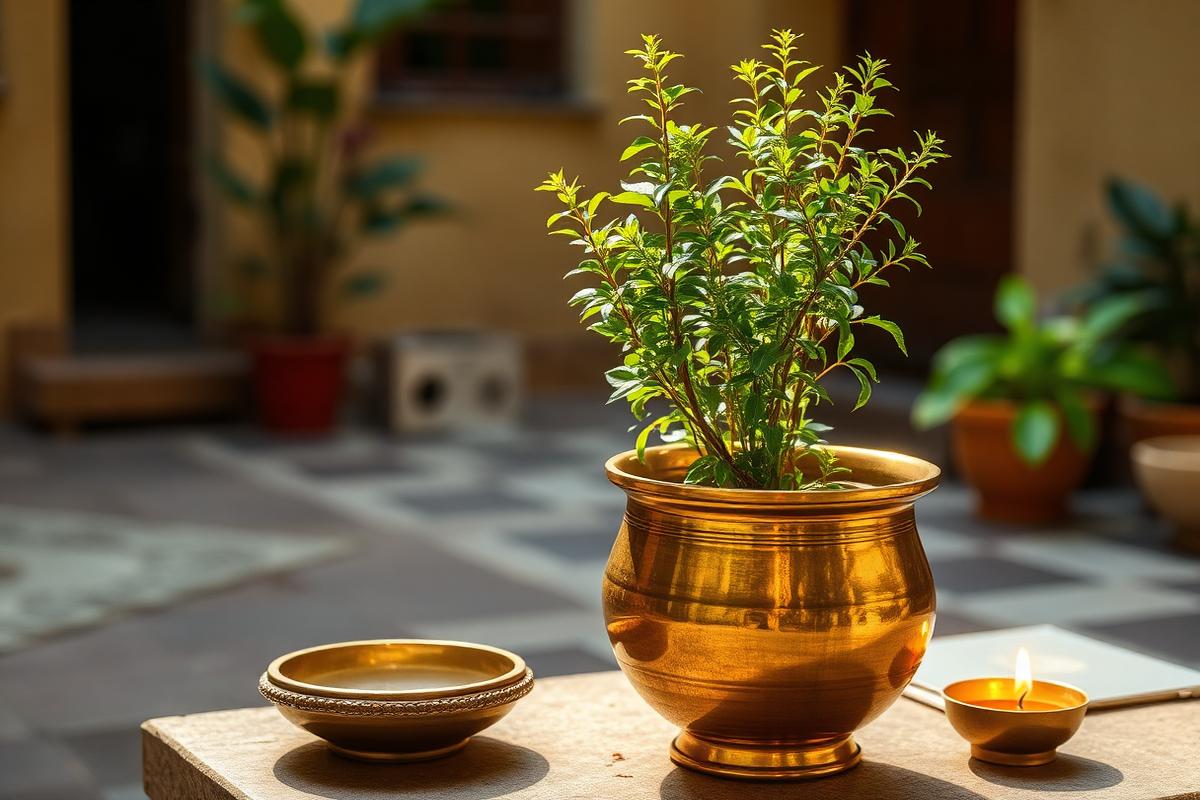
The guru-shishya parampara is the sacred relationship through which knowledge has been passed down in India for millennia. The disciple approaches the Guru with *surrender (samarpan), service (seva) and sincere effort*, and the Guru imparts teaching according to the student's readiness. This living transmission, from heart to heart, preserves not just information but the very spirit and experience of wisdom across generations.
Guru Purnima and Honouring the Guru
Guru Purnima, the full moon of the month of Ashadha, is the day dedicated to honouring one's Guru. It marks the birth of sage Vyasa, the compiler of the Vedas, and is also called Vyasa Purnima. On this day disciples offer gratitude, seva and dakshina to their Guru, renew their commitment to learning, and reflect on the teachings received. Worshipping the Guru is considered as auspicious as worshipping the divine.
The Disciple's Conduct - Do's and Don'ts
Do: approach the Guru with humility and faith, listen attentively, practise the teachings, serve with a pure heart, and remain patient and grateful. Don't: test the Guru with arrogance, hide doubts instead of asking sincerely, abandon practice at the first difficulty, or treat sacred teaching casually. True learning flows only where there is respect, sincerity and steady effort on the part of the shishya.
Benefits of a True Guru

A true Guru removes confusion and doubt, gives direction to life, and steadies the mind on the spiritual path. The Guru's guidance helps the disciple avoid wrong turns, deepen devotion, and ultimately realise the Self. Beyond the spiritual, the Guru instils discipline, humility and clarity of purpose that benefit every part of life, making the relationship one of the most precious in Hindu tradition.
Quick Answers
What does the word Guru mean?+
Guru is formed of 'gu' (darkness) and 'ru' (remover). A Guru is the one who removes the darkness of ignorance and leads the disciple toward knowledge and self-realisation.
Why is the Guru placed even above the gods?+
Because it is the Guru who reveals God to the disciple. The famous shloka equates the Guru with Brahma, Vishnu and Shiva, since without the Guru's guidance even the divine remains unknown to the seeker.
What is the Guru Gita?+
The Guru Gita is a dialogue between Shiva and Parvati, part of the Skanda Purana, on the glory of the Guru. It teaches that the Guru is the principle of pure consciousness and that devotion to the Guru destroys ignorance.
When is Guru Purnima celebrated?+
Guru Purnima falls on the full moon of the month of Ashadha. It marks the birth of sage Vyasa and is the day disciples honour their Guru with gratitude, service and dakshina.
What is the guru-shishya tradition?+
It is the sacred relationship through which knowledge is passed from Guru to disciple. The shishya approaches with surrender, service and effort, and the Guru transmits wisdom from heart to heart across generations.
What qualities should a disciple have?+
A disciple should have humility, faith, sincerity and patience, listening attentively and practising the teachings with a pure heart. True learning flows where there is respect and steady effort.
About the author
Anjali Mehta · Editor, M.A. Religious Studies
Anjali is the managing editor for Vandnaa and oversees the festival and vrat coverage. She holds an M.A. in Religious Studies and reviews every published article for accuracy, accessibility, and tradition-fidelity.
Meet the Vandnaa editorial team →Explore on Vandnaa
Related Articles

Importance of Daan (Charity) in Hinduism - Meaning & Benefits
8 min read

Bhagavad Gita - All 18 Chapters Summary & Key Teachings
10 min read

Gayatri Mantra Meaning, Benefits & How to Chant (गायत्री मंत्र)
12 min read

Om Namah Shivaya Mantra Benefits & Meaning (ॐ नमः शिवाय)
9 min read
Significance of Kumkum & Roli in Worship - Meaning, Use & Benefits
8 min read

Shiv Aarti Lyrics – Om Jai Shiv Omkara (शिव आरती)
13 min read