What Is Daan
Daan means selfless giving - offering one's wealth, food, knowledge or service to others without expecting anything in return. It is regarded as one of the noblest acts (dharma) in Hindu life, second only to truth and non-violence among the virtues. True daan is given with humility and love, recognising the divine in the receiver, and it purifies the giver's heart of greed and attachment.
The Bhagavad Gita on Charity
The Bhagavad Gita (17.20) describes the highest form of giving as sattvic daan - charity given as a duty, to a worthy person, at the right place and time, without expectation of return. Giving grudgingly or for recognition is rajasic, and giving with contempt or at the wrong time is tamasic. The Gita teaches that the spirit and intention behind the gift matter as much as the gift itself.
Main Types of Daan
Tradition praises several forms of daan: 1. Anna daan - giving food to the hungry, called the greatest of all daans. 2. Vidya daan - giving knowledge and education, which uplifts for life. 3. Go daan - the gift of a cow, considered highly meritorious. 4. Vastra daan - giving clothes to those in need. 5. Jal daan - providing water, and bhumi daan - the gift of land. Each serves a real need and is believed to bring its own form of blessing.
Auspicious Times for Daan
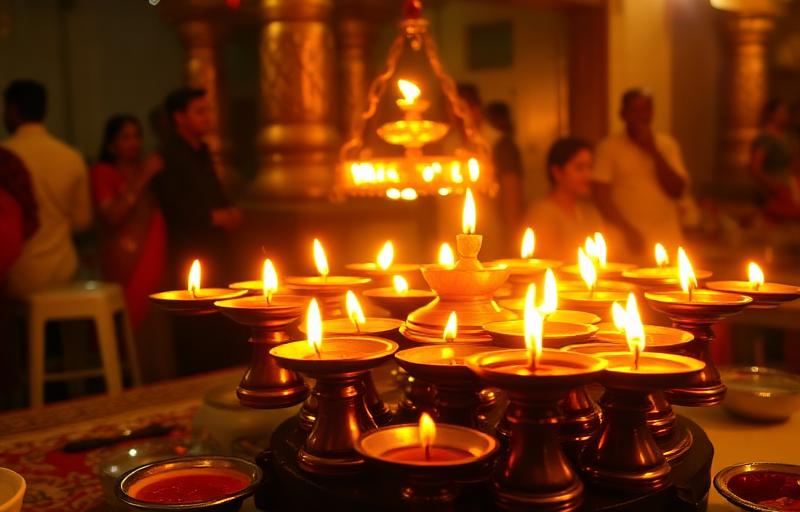
Daan is meritorious at any time, but certain occasions multiply its blessing. Festivals like Makar Sankranti, Diwali, Akshaya Tritiya and Navratri, *eclipses (grahan), Amavasya and Purnima, and the pitru paksha period are considered especially powerful for giving. Donating during an eclipse, after a holy bath, or on one's birthday and on the death anniversary of ancestors (shraddha*) is a long-cherished tradition.
Do's and Don'ts of Giving
Do: give willingly and quietly, to a worthy and genuinely needy person, with respect and a glad heart, and give from honestly earned wealth. Don't: give to show off, remind the receiver of your gift, expect repayment or favour, or give grudgingly. The Gita warns that charity given for praise or with contempt loses its merit. Give as an offering to the divine present in all beings.
Benefits of Daan
Daan is believed to multiply punya (spiritual merit), purify wealth, and free the heart of greed and ego. It is said to remove obstacles, lighten the burden of past karma, and bring peace and prosperity to the giver's home. Beyond the unseen merit, charity strengthens compassion and community, and the joy of relieving another's suffering is itself a deep and lasting reward.
Common Questions From Devotees
What is daan in Hinduism?+
Daan is selfless giving of wealth, food, knowledge or service without expecting anything in return. It is one of the noblest acts in Hindu life and purifies the giver's heart of greed and attachment.
What does the Bhagavad Gita say about charity?+
In verse 17.20 the Gita describes sattvic daan as charity given as a duty, to a worthy person, at the right place and time, without expectation of return. The intention behind the gift matters as much as the gift.
Which daan is considered the greatest?+
Anna daan, the giving of food to the hungry, is praised as the greatest of all daans. Vidya daan (knowledge) and go daan (the gift of a cow) are also held to be highly meritorious.
When is the best time to give daan?+
Daan is meritorious anytime, but festivals like Makar Sankranti and Diwali, eclipses, Amavasya, Purnima and pitru paksha are especially powerful. Giving after a holy bath or on auspicious days multiplies its blessing.
Does giving for recognition still earn merit?+
The Gita calls charity given for praise or recognition rajasic, and giving with contempt tamasic, both of which lose merit. True merit comes from sattvic daan given quietly, willingly and without expectation.
How does daan benefit the giver?+
Daan multiplies punya, purifies wealth, and frees the heart of greed and ego. It is believed to remove obstacles and lighten past karma, while the joy of relieving another's suffering is its own lasting reward.
About the author
Anjali Mehta · Editor, M.A. Religious Studies
Anjali is the managing editor for Vandnaa and oversees the festival and vrat coverage. She holds an M.A. in Religious Studies and reviews every published article for accuracy, accessibility, and tradition-fidelity.
Meet the Vandnaa editorial team →Explore on Vandnaa
Related Articles

Importance of the Guru in Hinduism - Guru-Shishya Tradition
9 min read

Bhagavad Gita - All 18 Chapters Summary & Key Teachings
10 min read
Gau Mata Puja - Significance, Benefits & Vidhi to Worship the Cow
9 min read

Gayatri Mantra Meaning, Benefits & How to Chant (गायत्री मंत्र)
12 min read
Significance of the Red Color in Hindu Worship - Meaning & Use
8 min read
Flowers in Puja - Which Flower for Which Deity & Rules
9 min read