About the Jai Ambe Gauri Aarti
Jai Ambe Gauri is the most popular aarti of Maa Durga (Ambe / Gauri), sung at the end of Devi puja, on every Tuesday and Friday, and especially through the nine nights of Navratri. The word Ambe means Mother and Gauri is a name of Parvati, the fair goddess.
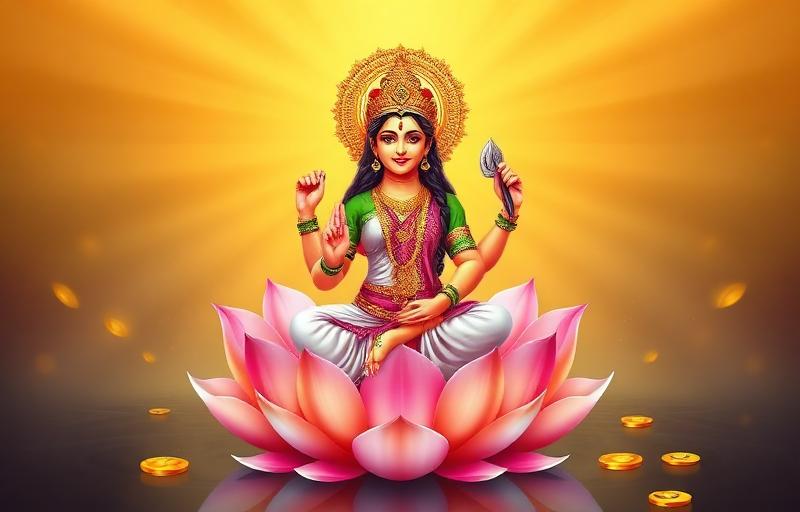
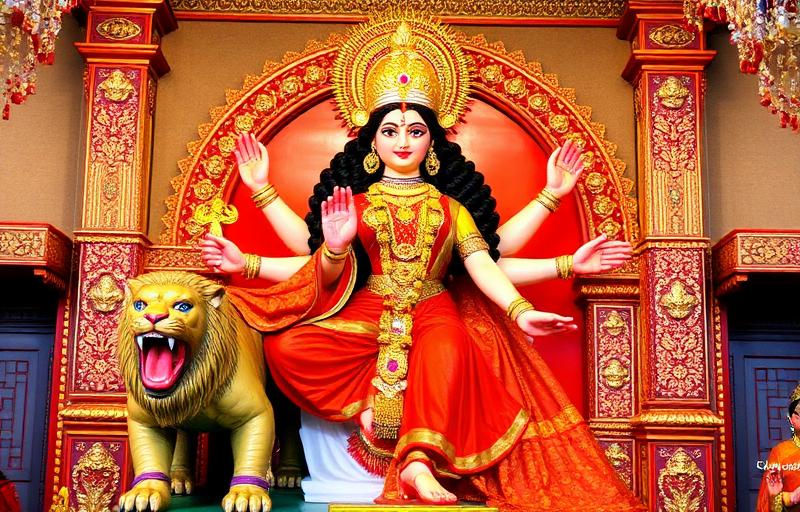
The aarti praises the Mother in her many forms - seated on a lion, holding her weapons, adorned with jewels and worshipped by Brahma, Vishnu and Shiva. Singing it is a heartfelt way to seek the Mother's protection, courage and grace at the close of worship.
Jai Ambe Gauri Aarti - Full Lyrics
Jai Ambe Gauri (in Devanagari):
ॐ जय अम्बे गौरी, मैया जय श्यामा गौरी। तुमको निशिदिन ध्यावत, हरि ब्रह्मा शिवरी॥
माँग सिन्दूर विराजत, टीको मृगमद को। उज्ज्वल से दोउ नैना, चन्द्रवदन नीको॥
कनक समान कलेवर, रक्ताम्बर राजै। रक्तपुष्प गल माला, कण्ठहार साजै॥
केहरि वाहन राजत, खड्ग खप्पर धारी। सुर-नर-मुनिजन सेवत, तिनके दुखहारी॥
कानन कुण्डल शोभित, नासाग्रे मोती। कोटिक चन्द्र दिवाकर, सम राजत ज्योती॥
शुम्भ-निशुम्भ विदारे, महिषासुर घाती। धूम्र विलोचन नैना, निशिदिन मदमाती॥
चण्ड-मुण्ड संहारे, शोणित बीज हरे। मधु-कैटभ दोउ मारे, सुर भयहीन करे॥
ब्रह्माणी रुद्राणी, तुम कमला रानी। आगम निगम बखानी, तुम शिव पटरानी॥
चौंसठ योगिनि गावत, नृत्य करत भैरों। बाजत ताल मृदंगा, अरु बाजत डमरू॥
तुम ही जग की माता, तुम ही हो भरता। भक्तन की दुख हरता, सुख सम्पति करता॥
भुजा चार अति शोभित, वर मुद्रा धारी। मनवांछित फल पावत, सेवत नर नारी॥
कंचन थाल विराजत, अगर कपूर बाती। श्रीमालकेतु में राजत, कोटि रतन ज्योती॥
श्री अम्बेजी की आरती, जो कोई नर गावै। कहत शिवानन्द स्वामी, सुख सम्पति पावै॥
Meaning of the Aarti
The opening line, Om Jai Ambe Gauri, hails the Mother whom Hari (Vishnu), Brahma and Shiva meditate upon day and night. The verses then describe her divine beauty - the sindoor in her parting, her moon-like face, her golden body in red garments, and a garland of red flowers.
She rides a lion (kehari vahan) and holds a sword and skull-bowl, destroying the demons Shumbha, Nishumbha and Mahishasura, slaying Chanda-Munda and Raktabija, and freeing the gods from fear. She is praised as Brahmani, Rudrani and Kamala (Lakshmi), the consort of Shiva, glorified by the Vedas and Agamas. The closing verse promises that whoever sings this aarti with devotion receives happiness and prosperity.
When to Sing & Benefits
- Daily: Sing it after your morning or evening Devi puja, holding a lit ghee or camphor lamp and circling it before the goddess.
- Navratri: It is the central aarti of all nine nights, sung at the close of the puja each day.
- Tuesdays and Fridays: Days dear to the Mother; the aarti is especially auspicious then.
Benefits:
- The Mother's protection, courage and removal of fear
- Peace, harmony and prosperity in the home
- Strength to overcome obstacles, like the demons she destroys
- A devotional heart and steady mind
Sing with clean hands and a focused heart; the feeling of surrender matters more than a perfect tune.
Quick Answers
Who is the Jai Ambe Gauri aarti dedicated to?+
It is dedicated to Maa Durga, addressed as Ambe (Mother) and Gauri (Parvati). The aarti praises her many forms and her victory over demons like Mahishasura, Shumbha and Nishumbha.
When should Jai Ambe Gauri aarti be sung?+
It is sung at the close of Devi puja, daily in the morning or evening, on Tuesdays and Fridays, and especially through all nine nights of Navratri.
What does Om Jai Ambe Gauri mean?+
It means 'Victory to you, Mother Ambe, the fair goddess Gauri.' The line hails the Divine Mother whom Vishnu, Brahma and Shiva meditate upon day and night.
Who composed the Jai Ambe Gauri aarti?+
The final verse names Shivanand Swami as the composer, a common signature line in many traditional aartis. The aarti has been sung in homes and temples for generations.
About the author
Acharya Vinaya Kapoor · M.A. Sanskrit, Mantra & Stotra Studies
Acharya Vinaya holds an M.A. in Sanskrit from Banaras Hindu University and writes the mantra and stotra commentary on Vandnaa. Her focus is on accurate pronunciation, traditional context, and helping modern readers connect with classical texts.
Meet the Vandnaa editorial team →