Telling the Krishna Story in an Age-Appropriate Way
Krishna's story has murder plots, imprisonment, and a tyrant king - not exactly bedtime-story material if told in full detail to a four-year-old. The good news is that the story adapts beautifully to different ages, and most of what makes it magical for children doesn't require any of the frightening parts.
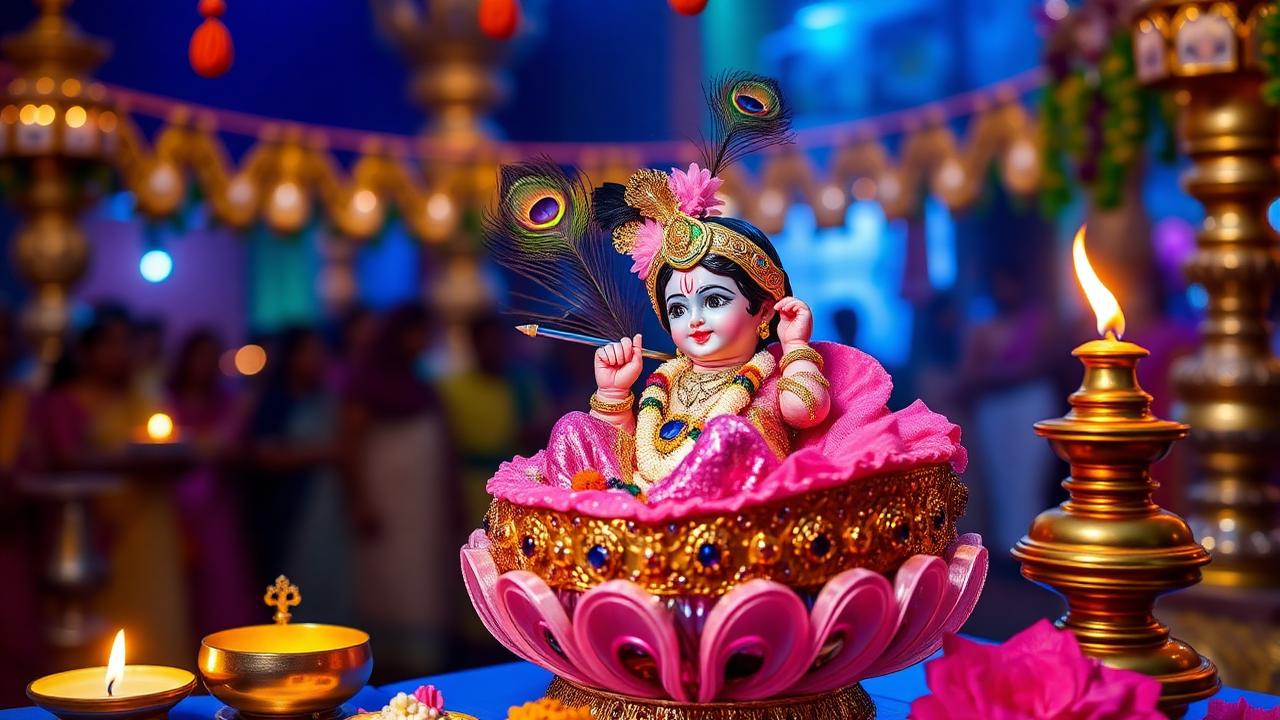
For toddlers and preschoolers (2-4 years): Skip the Kansa villain plot almost entirely. Focus purely on the joyful parts: "A very naughty, very sweet baby was born at midnight. Everyone was so happy they rang bells and sang songs! This baby loved butter so much he used to sneak into neighbours' houses to steal it." Pair this with pictures, a soft toy, or a small idol they can hold.
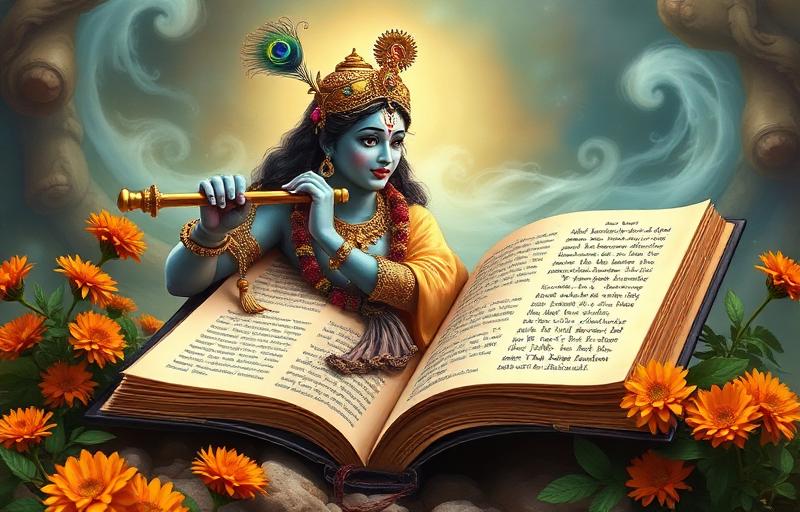
For early school age (5-8 years): This is the perfect age for the full Makhan Chor stories, gentle mentions that "a worried king was scared of baby Krishna, so his father had to keep him safe," without dwelling on violence, and the excitement of the midnight birth itself. Children this age also enjoy simple cause-and-effect elements of the story, like why the pots were hung so high.
For older children (9-12 years): They can handle the fuller narrative, including Kansa's tyranny, Devaki and Vasudev's imprisonment, and the dramatic river crossing, and are often genuinely curious about the "why" behind rituals like the midnight puja and fasting, making this a good age to explain the deeper meaning rather than just the plot.
A tip that works across ages: Let the story unfold as a conversation, not a lecture. Asking "what do you think happened next?" keeps even a distracted 5-year-old engaged, and children often remember a story better when they helped narrate part of it themselves.
Dress-Up as Baby Krishna: Costume Ideas
Dressing up as baby Krishna is, for most young children, the single most exciting part of Janmashtami, often more anticipated than the puja itself, and it doubles as a wonderful way to bring the story to life.
Classic baby Krishna look: A small yellow dhoti or yellow outfit (representing the pitambar), a peacock feather tucked into the hair or a small headband, a toy flute (bansuri), and simple jewellery like anklets with small bells (ghungroo) complete the traditional look most families go for.
Radha-Krishna pairs: For families with two children, or for playdates and community events, a Radha costume in a contrasting colour (often pink or red) alongside the Krishna outfit is a popular and photogenic option.
Simple, low-effort alternatives: Not every family has time to source a full costume. A plain yellow kurta with a peacock feather pinned on, or even just blue or dark clothing with a flute prop and feather, captures the spirit without an elaborate shopping trip.
Makeup and finishing touches (optional, age-appropriate): Light, skin-safe face paint for a small tilak on the forehead, or a light blue tint for older children comfortable with it, is popular at community events, though entirely optional and best avoided for very young or sensitive-skinned children.
Letting children help choose: Involving children in picking their own accessories, the feather, which bangles, whether they want the flute or a small mace prop, builds genuine excitement and gives them ownership over "becoming" Krishna for the evening, rather than just being dressed by an adult.
Most costume elements (dhoti sets, feathers, flutes, jewellery) are widely available at reasonable prices in the weeks before Janmashtami at local markets or online, so last-minute shopping is rarely a problem.
Simple Craft Activities for the Whole Family
Craft activities give children a hands-on way to participate in festival preparation, and most of these require only basic household supplies.
Paper plate flute or crown craft: Younger children can decorate a simple paper crown (mukut) with sequins, glitter and paper "jewels," or a cut-out paper flute, using safe, washable craft materials. This becomes their own prop for dress-up later.
Handprint peacock feather art: A popular preschool-friendly activity - tracing a child's hand in blue and green paint to create a peacock feather shape, which can be used to decorate the jhula area or simply displayed as festive art.
Mini butter pot (matki) craft: Small clay pots or even repurposed yoghurt cups, decorated with paint, ribbon and beads, can represent the handi from the Makhan Chor story. Kids enjoy "hiding" a small treat inside as a playful nod to the story.
Rangoli with stencils: Simple flower or foot-print stencils (representing baby Krishna's footsteps entering the home) let even young children participate in rangoli-making with coloured powder or chalk under supervision.
Story sequencing cards: For slightly older children, drawing or printing 4-5 simple pictures depicting the Krishna birth story in order (storm, river crossing, arrival in Gokul, celebration) and having them arrange the sequence themselves reinforces the narrative in a game-like format.
Making the jhula together: Involving children in threading flowers or choosing fabric for the actual jhula is itself one of the most meaningful "craft" activities of the day, since it directly contributes to the evening's main ritual rather than being a separate, standalone project.
Most of these activities take 20-40 minutes, fit well into an afternoon before the evening's puja preparations begin, and can be adjusted up or down in complexity based on how many children of different ages are involved.
Adapting the Fast So It Doesn't Overwhelm Children
One of the most common worries parents have around Janmashtami is whether their child should fast at all, and if so, how much. The honest answer, echoed by most priests, is that fasting rules for children were never meant to be strict.
Under 5 years: No fasting expected at all. Full, normal meals throughout the day. Participation is entirely through stories, dress-up, and the fun parts of the celebration.
5-9 years: If a child expresses interest in "doing what mumma and papa are doing," a token gesture works well: skipping one snack, or agreeing to eat only fruit for one meal, framed as something special and voluntary rather than a strict rule. Never let a child feel food-deprived or anxious about eating.
10-14 years: Some children this age genuinely want to participate more fully, having seen older siblings or parents fast in previous years. A half-day phalahar fast (starting from a meal, say lunch, through to the midnight prasad) is a reasonable, safe middle ground if the child is enthusiastic and in good health, with an easy exit if they get hungry or uncomfortable.
Framing matters more than restriction: Children pick up far more from watching a parent's calm, joyful attitude toward the fast than from being made to fast themselves. A child who sees an adult skip a meal cheerfully and explain why, without drama, often develops genuine interest in trying it themselves a year or two later, entirely on their own initiative.
Always keep an easy exit: Regardless of age, if a child feels genuinely hungry, dizzy, or unwell, feeding them immediately should always take priority over completing any fast. No scripture asks a parent to prioritise ritual completion over a child's basic wellbeing.
Games, Songs and Playacting Kids Actually Enjoy
Beyond storytelling and crafts, a handful of simple games and songs keep children genuinely engaged with the festival rather than treating it as something adults do while they wait around.
"Find the Butter" hide and seek: A playful nod to Makhan Chor - hide a few wrapped sweets or a small bowl of makhan around the house or garden and let children "steal" them the way baby Krishna did, turning prasad collection into a game.
Mini dahi-handi at home: For families not attending a full community event, a low, safe version, a small pot of sweets tied at a reachable height for children to gently tap or reach for (with supervision, never a genuine climbing pyramid for young kids), captures the spirit playfully.
Simple bhajans and rhymes: Short, repetitive bhajans like "Jai Kanhaiya Lal Ki" or simplified versions of "Achyutam Keshavam" are easy for children to pick up quickly, especially with clapping or small hand cymbals (manjira), and give them something active to do during jagran.
"Guess the story" game: Ask simple questions after storytelling - "Where was Krishna born?", "Who tried to hurt him?", "What did he love to eat?" - as a light quiz that reinforces what was just told without feeling like a test.
Passing the flute: A simple circle game where a toy flute is passed around while music plays, and whoever holds it when the music stops gets to share one thing they know about Krishna, works well for slightly older children at family or community gatherings.
These activities work best scattered through the afternoon and early evening, well before children start getting tired, keeping the mood light ahead of the later, quieter rituals.
Keeping Little Ones Engaged Past Their Usual Bedtime
The single biggest practical challenge for families with young children on Janmashtami is the clock itself: the main puja happens well past a toddler's, and often even a school-age child's, normal bedtime.
Napping strategically: Letting children nap longer than usual in the afternoon, even if it disrupts their regular schedule for one day, is the single most effective way to help them stay reasonably alert until midnight without meltdowns.
Building excitement in phases: Rather than one long stretch of waiting, break the evening into distinct "events" for children - jhula decoration, dress-up time, a craft activity, a short story session, a simple dinner - so the evening feels like a series of fun activities rather than one long wait for a distant midnight.
A dedicated "job" for each child: Giving children small, specific responsibilities, holding the flowers, ringing the bell at midnight, helping rock the jhula, gives them a sense of purpose that keeps them more engaged than passively watching adults perform rituals.
It's okay if they fall asleep before midnight: Many families accept that very young children will doze off before the actual midnight puja, and gently wake them just for the aarti and jhula moment, or let them sleep through entirely and include them symbolically the next morning. Neither approach is wrong, and forcing an overtired toddler to stay awake rarely creates the happy memory parents are hoping for.
Keep it light, not exhausting: The goal is a positive early association with the festival, not endurance. A cheerful, sleepy 4-year-old who enjoyed dress-up and one bhajan gets far more out of Janmashtami than one dragged through a full adult-length ritual against their will.
🎊 Find simple, printable Janmashtami story cards and activities for kids in the Vandnaa app.
Reader Questions Answered
At what age should children start fasting for Janmashtami?+
There's no fixed age requirement. Children under 5 shouldn't fast at all. Between 5-9, a token gesture like skipping one snack is enough if they're curious. Around 10-14, an enthusiastic, healthy child can try a half-day phalahar fast. The decision should always follow the child's own interest, not parental expectation.
How do I explain Kansa's tyranny to a young child without scaring them?+
For children under 5, it's fine to skip this part entirely and focus on the joyful birth story. For slightly older children, a soft framing works well: "A worried king was scared of losing his throne, so Krishna's parents had to keep him extra safe," without dwelling on violent details. Save the fuller, more accurate narrative for around age 9-10, when children can process it with better context.
What is a simple, budget-friendly baby Krishna costume for a toddler?+
A plain yellow kurta or outfit you already own, a peacock feather (available cheaply at any market), and a small toy flute is enough to capture the look without buying a full costume set. Adding ankle bells (ghungroo) if you have them is a nice optional touch.
My child falls asleep before midnight every year. Is that okay?+
Completely okay. Many families gently wake sleeping children just for the aarti and jhula-rocking moment, or let them sleep through and involve them symbolically the next morning with prasad and a retelling of what happened. There is no rule requiring children to stay awake, and forcing it rarely creates a positive association with the festival.
What craft activity works best for a mixed age group of children?+
Helping decorate the actual jhula (cradle) works well across almost any age. Younger children can hand over flowers or stick decorations, while older kids can help with fabric draping and arrangement. It has the added benefit of directly contributing to the evening's main ritual rather than being a separate side activity.
How can I keep the day meaningful for children without it feeling like a long, boring wait?+
Break the day into short, distinct activities rather than one long build-up: storytelling in the afternoon, dress-up time, a craft session, a simple game before dinner, and a strategic nap. Giving each child a small "job" during the actual midnight puja, like ringing a bell or holding flowers, also keeps them genuinely involved rather than passively waiting.
About the author
Pandit Mahesh Trivedi · Festival Traditions & Panchang
Pandit Mahesh leads the festival-date and Panchang content on Vandnaa. He cross-references multiple regional panchangs (Drik, Vaishnava, Bengali, Marathi) for every festival date published on the site.
Meet the Vandnaa editorial team →