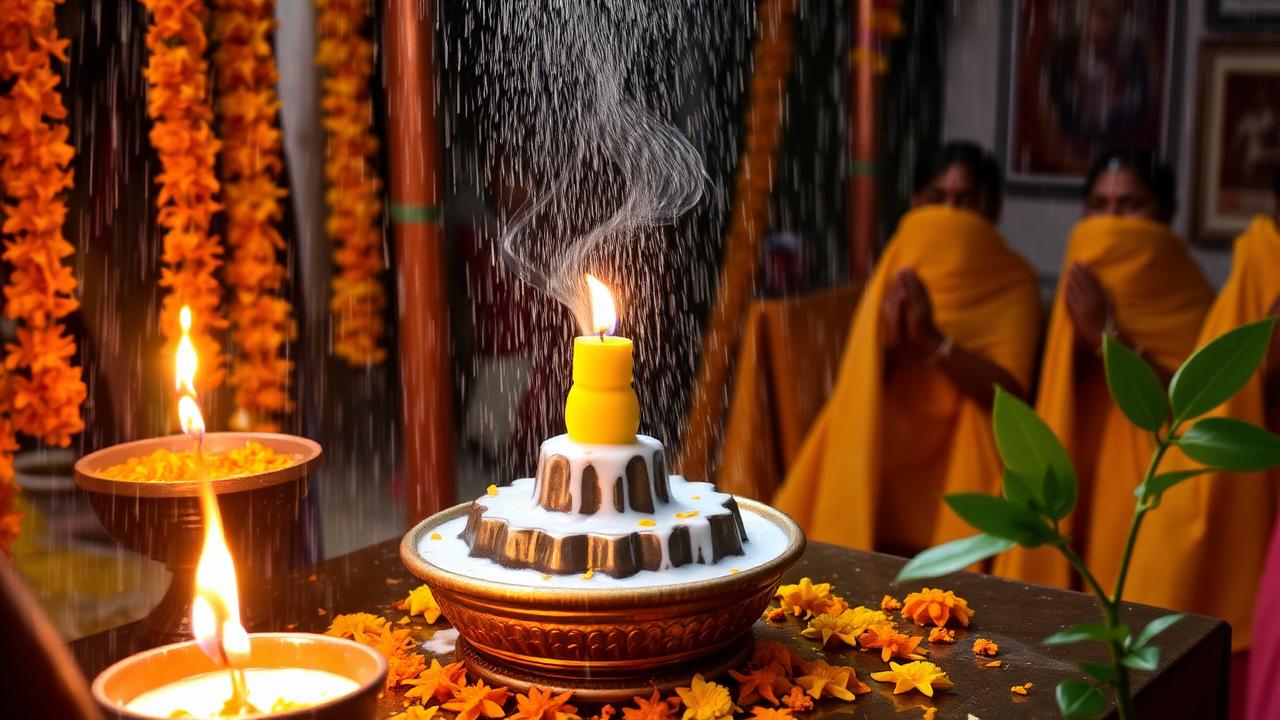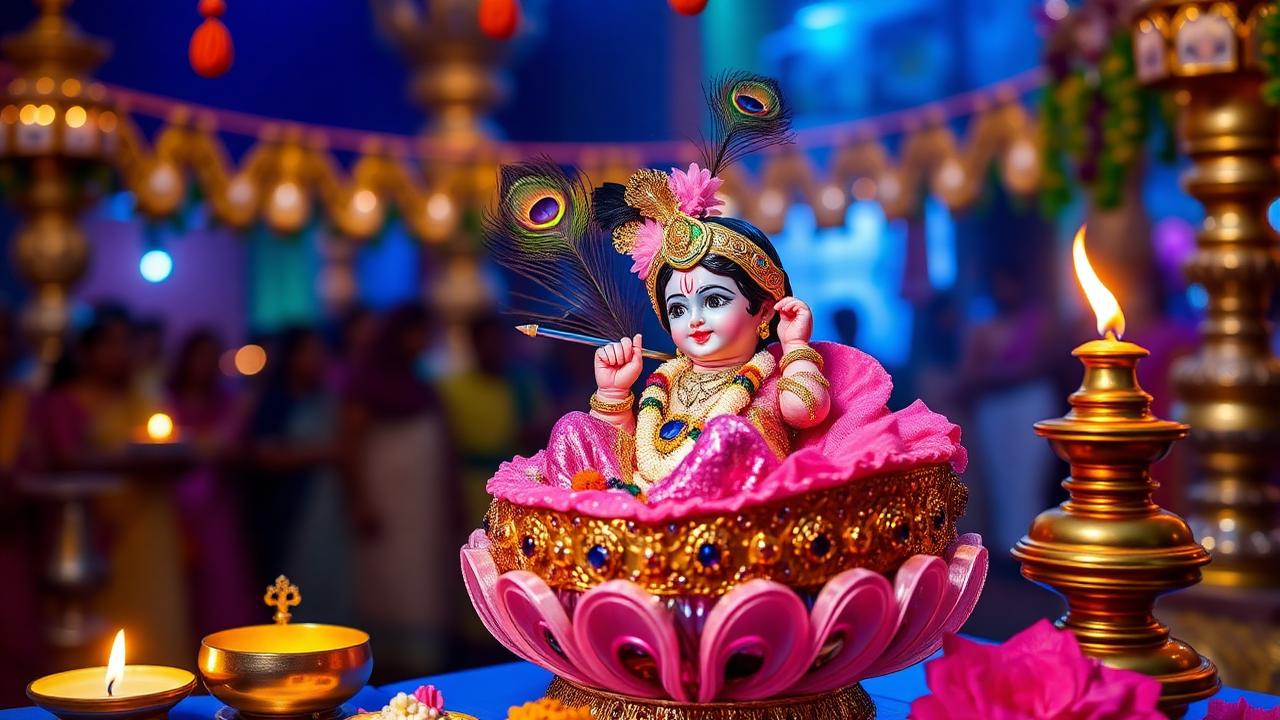
What Is Jhulan (Hindola) Yatra?
Jhulan Yatra, also called Hindola, is the beloved swing festival of Radha and Krishna, celebrated in the holy month of Shravan (Sawan). The word jhulan (or hindola) means a swing, and during this festival the deities of Radha-Krishna are placed on a beautifully decorated swing and gently rocked by devotees with songs of love and joy.
It is one of the most enchanting festivals of the Braj region, recalling the divine play (leela) of Radha and Krishna enjoying the swing in the gardens of Vrindavan during the cool, green days of the monsoon. The whole month becomes a celebration of love, beauty and devotion.
When It Is Held & Its Significance
When: Jhulan Yatra is observed in the bright fortnight (Shukla Paksha) of Shravan, usually beginning around Ekadashi and culminating on Shravan Purnima (the full-moon day, which also coincides with Raksha Bandhan and Balarama's appearance). It often spans several days, sometimes the whole fortnight.
Significance:
- Celebration of divine love: The swing symbolises the playful, blissful love between Radha and Krishna, the eternal soul (jiva) swinging in union with the divine.
- The monsoon mood: Shravan brings rain, greenery and gentle breezes - the perfect setting for the swing, beauty and song that fill Braj.
- A festival of seva (loving service): Devotees decorate the swing, sing kirtan and lovingly rock the deities, which is regarded as a sweet form of bhakti.
- Inner meaning: Just as the swing moves gently to and fro, the festival reminds the devotee to keep the heart swinging always in remembrance of the Lord, balanced and joyful.
How It Is Celebrated in Vrindavan & ISKCON
Jhulan Yatra is most splendidly celebrated in the Braj region - Vrindavan, Mathura and Barsana - and in ISKCON temples around the world:
- The decorated swing (jhula): A swing of silver, gold, flowers or finely carved wood is set up in the temple, adorned with garlands, leaves and lights.
- Deities on the swing: The small utsava-vigrahas (festival deities) of Radha-Krishna are placed on the swing and gently rocked by priests and devotees.
- Kirtan and bhajan: Devotees sing swing-songs (jhulan geet), play instruments and dance in joy, recreating the mood of Vrindavan.
- Decoration of the temple: Temples are decorated with seasonal flowers, plantain trees and rangoli; many homes also set up a small jhula for their Laddu Gopal.
- Banke Bihari temple, Vrindavan: Famous for its Jhulan celebrations, where Thakur ji is placed on a golden swing for the darshan of thousands of devotees.
- ISKCON temples: Hold daily Jhulan darshan through the festival, with kirtan, decorated swings and the chance for devotees to offer a gentle push to the Lord's swing.
How to Celebrate Jhulan Yatra at Home

You can welcome the joy of Jhulan Yatra into your own home with simple devotion:
- Set up a small swing: Place your Laddu Gopal or a small Radha-Krishna image on a little jhula made of cloth, wood or flowers.
- Decorate with flowers: Adorn the swing with fresh flowers, tulsi and green leaves to recreate the monsoon garden of Vrindavan.
- Gently rock the swing: Offer a gentle, loving push to the swing while singing or playing a bhajan.
- Sing and chant: Sing the Hare Krishna mahamantra or sweet Krishna bhajans, and offer bhog of butter, makhan-mishri or seasonal fruit.
- Offer the day in love: Spend a few minutes daily through Shravan in this loving seva, ending with aarti and prasad.
The heart of the festival is not grandeur but love - even a tiny swing offered with devotion carries the same sweetness as the grandest temple jhula.
Quick Answers
What is Jhulan Yatra?+
Jhulan Yatra, also called Hindola, is the swing festival of Radha and Krishna celebrated in the month of Shravan. The deities are placed on a decorated swing and gently rocked by devotees amid kirtan, recalling Radha-Krishna's swing play in Vrindavan.
When is Jhulan Yatra celebrated?+
Jhulan Yatra is celebrated in the bright fortnight of Shravan, usually beginning around Ekadashi and culminating on Shravan Purnima, which also coincides with Raksha Bandhan. It often spans several days. Confirm the exact dates in your local panchang.
Where is Jhulan Yatra celebrated most grandly?+
Jhulan Yatra is celebrated most grandly in the Braj region - Vrindavan, Mathura and Barsana - especially at the Banke Bihari temple, and in ISKCON temples worldwide, where the deities are placed on beautifully decorated swings amid kirtan.
What does the swing in Jhulan Yatra symbolise?+
The swing symbolises the playful, blissful love between Radha and Krishna, and the soul swinging in union with the divine. Just as the swing moves gently to and fro, it reminds the devotee to keep the heart always swinging in joyful remembrance of the Lord.
About the author
Pandit Mahesh Trivedi · Festival Traditions & Panchang
Pandit Mahesh leads the festival-date and Panchang content on Vandnaa. He cross-references multiple regional panchangs (Drik, Vaishnava, Bengali, Marathi) for every festival date published on the site.
Meet the Vandnaa editorial team →