The Kadamba: A Tree Woven into Krishna's Leela
Among the many trees woven into the memory of Krishna's life in Vrindavan, the kadamba holds a special place. Known for its round, golden-orange blossoms and sweet fragrance, the kadamba grows readily along riverbanks, and in Braj it is remembered as one of Krishna's favourite trees.
Even today, old kadamba trees are carefully preserved in the groves of Vrindavan and Mathura, and devotees visiting these sacred landscapes often pause beneath their branches, believing the very air here still carries something of Krishna's presence.
Krishna and the Kadamba by the Yamuna
Devotional tradition remembers a kadamba tree standing on the banks of the Yamuna, from which young Krishna is said to have leapt into the river to subdue the serpent Kaliya, protecting the people of Braj from its poison. This episode, the Kaliya Daman, is one of the most beloved leelas told to this day.
Kadamba groves are also fondly remembered in devotional retellings as a setting for Krishna's playful hours with the gopas and gopis of Vrindavan, their fragrant shade providing a natural stage for his flute and his joyful company.
What the Kadamba Symbolizes
The kadamba's sweetness and fragrance are often taken by devotees as a gentle symbol of madhurya bhava, the sweet, intimate devotion associated with Krishna worship. Just as the tree's blossoms perfume the air around it without demanding attention, Krishna's presence in the life of a devotee is often described as something felt quietly rather than announced.
The tree blooms most abundantly during the monsoon month of Shravan, a season closely tied in devotional life to Krishna Janmashtami, adding a natural, seasonal rhythm to its sacred associations.
How the Kadamba Is Honoured Today
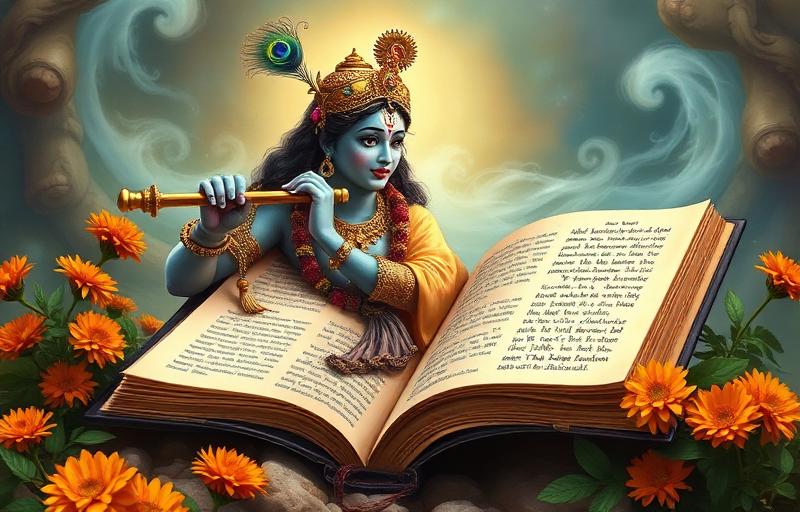
Devotion to the kadamba continues in visible ways even today:
- Old kadamba trees are protected within temple groves across Braj, particularly in Vrindavan and Mathura
- Devotees offer kadamba flowers during Janmashtami and other Krishna festivities in several regions
- Pilgrims visiting Braj deliberately seek out kadamba trees linked to Krishna's leela to pay their respects
- Bhajans and devotional songs describing Krishna's kadamba pastimes are still sung during satsangs in the region
Planting a kadamba near a Krishna temple is also considered auspicious by many devotee communities.
A Living Memory of Krishna's Playfulness
The kadamba tree, in its own quiet way, keeps alive the memory of Krishna's playful, joyous years in Vrindavan. It reminds devotees that devotion need not always be solemn, it can also be light, sweet and full of simple joy, just as Krishna's own leelas were.
Sitting beneath a kadamba tree, or simply remembering its place in Krishna's story, many devotees find themselves drawn back to that same spirit of innocent, wholehearted love that defines bhakti at its purest.
Common Questions From Devotees
Why is the kadamba tree associated with Krishna?+
The kadamba is remembered in devotional tradition as one of Krishna's favourite trees in Vrindavan, linked to episodes like the Kaliya Daman and to his playful hours with the gopas and gopis along the Yamuna.
Where can old kadamba trees linked to Krishna be found today?+
Old kadamba trees are preserved within temple groves across Braj, particularly in Vrindavan and Mathura, where pilgrims visit them as living reminders of Krishna's leela.
When does the kadamba tree bloom, and why does this matter?+
The kadamba blooms most abundantly during Shravan, the monsoon month closely tied to Krishna Janmashtami, giving its fragrant blossoms a natural, seasonal connection to Krishna's festivities.
About the author
Anjali Mehta · Editor, M.A. Religious Studies
Anjali is the managing editor for Vandnaa and oversees the festival and vrat coverage. She holds an M.A. in Religious Studies and reviews every published article for accuracy, accessibility, and tradition-fidelity.
Meet the Vandnaa editorial team →