What Is a Kalash
A kalash is a metal or earthen pot, filled with water and topped with fresh mango leaves and a coconut, that is placed at the start of most Hindu rituals, from a simple daily puja to weddings, housewarmings and major festivals.
Often a length of red thread, or moli, is tied around its neck, and it is placed on a small mound of rice or grain, making it one of the most recognisable and auspicious objects in Hindu ritual life.
Origin and the Idea of Purna Kumbha
The kalash, also called purna kumbha or the full vessel, appears across Puranic tradition as a symbol of abundance and life-giving water. It is also linked in popular tradition to the churning of the cosmic ocean, where a kalash containing amrita, the nectar of immortality, is described as emerging from the ocean.
Over centuries, the kalash came to be treated as a vessel that can, when consecrated with proper mantras, hold the symbolic presence of deities, sacred rivers and the universe itself, which is why it is placed at the very start of important rituals.
What Each Part Represents
- The pot itself - represents the earth and the container of life
- The water inside - represents the life-giving, purifying element
- Mango leaves around the neck - represent freshness and the presence of life
- The coconut on top - represents purity, prosperity and the auspicious presence of the divine
- The red moli thread - represents protection and sanctity
Together, these elements make the kalash a small, complete symbol of a full and abundant life, which is why it is treated with such care in ritual.
How the Kalash Is Used in Puja
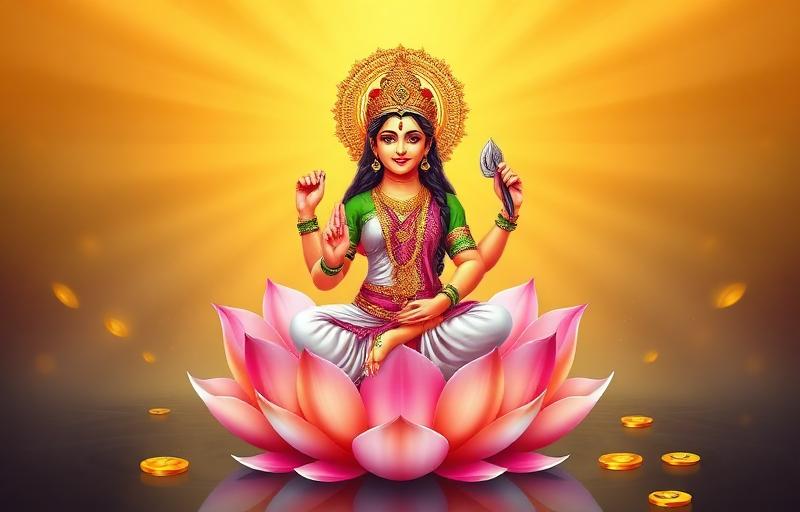
At the start of most poojas, the kalash is placed in front of the altar, filled with clean water, sometimes along with rice grains, a few coins, or supari (betel nut), and invoked with a short mantra that calls upon the sacred rivers and deities to be present within it.
During larger rituals such as griha pravesh (housewarming) or wedding ceremonies, a purna kalash is also placed at the entrance of the home as a gesture of welcome and auspiciousness for guests and the divine alike.
A Simple Takeaway
The kalash, in its quiet way, teaches that abundance in Hindu tradition is never separated from gratitude, water, leaves and a humble pot, offered with the right intention, are enough to invite the divine.
Worship is an act of faith and love, not a transaction.
Reader Questions Answered
Why is a coconut placed on top of the kalash?+
The coconut placed atop the kalash is traditionally regarded as a symbol of purity, prosperity and the auspicious presence of the divine, completing the kalash as a symbol of a full and abundant life.
What is a purna kalash?+
A purna kalash, or full vessel, is a kalash set up with special care for major occasions such as griha pravesh or weddings, symbolising complete auspiciousness and welcome for both guests and the divine.
Why are mango leaves used with the kalash?+
Mango leaves are placed around the neck of the kalash as they traditionally represent freshness and the presence of life, adding to the kalash's symbolism of abundance.
About the author
Pandit Mahesh Trivedi · Festival Traditions & Panchang
Pandit Mahesh leads the festival-date and Panchang content on Vandnaa. He cross-references multiple regional panchangs (Drik, Vaishnava, Bengali, Marathi) for every festival date published on the site.
Meet the Vandnaa editorial team →