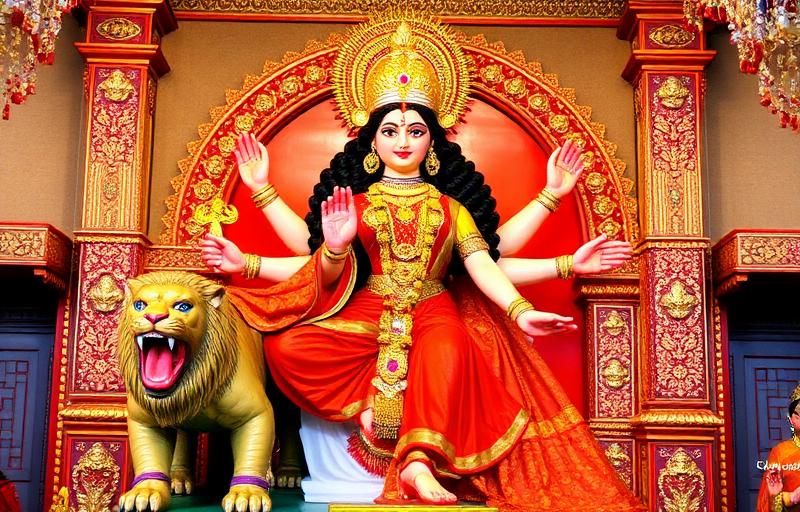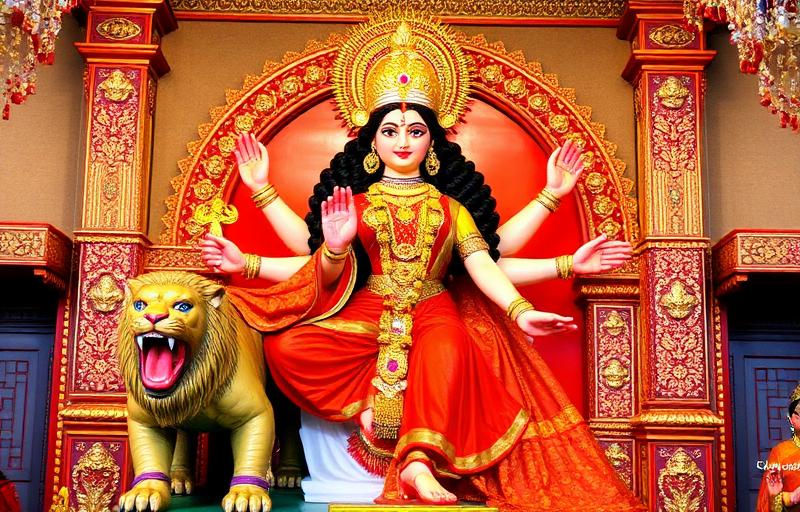
Why Kali's Imagery Unsettles New Devotees, and Why That's Worth Rethinking
It is honest to start here: many people encountering Kali for the first time, whether through a temple mural, a film or a family elder's warning, come away with the impression that she is frightening, even dangerous to approach casually. The dark complexion, the garland of skulls, the lolling tongue and the sword can look, out of context, like imagery to avoid rather than revere.
That reaction is understandable but built on a misreading. Every element of Kali's iconography is symbolic, not literal, and Hindu tradition has explained this consistently for centuries. Her dark form represents the formless, infinite ground of reality from which all creation emerges, the same way the night sky's darkness contains every star. The skulls she wears are commonly interpreted as the letters of the Sanskrit alphabet, representing the primal sound and knowledge from which language itself arises, not literal trophies of violence. Her extended tongue, per the well-known katha of her battlefield frenzy, marks the moment she caught herself before her power became destructive rather than protective, a symbol of self-restraint, not bloodlust.
Most importantly, Kali is understood in Shakta tradition as Adi Shakti, the primordial mother, and Kalika Purana and Devi-Bhagavata texts both describe her fierce form as one that destroys ego, fear and ignorance in her devotees, not one that harms sincere seekers. She is invoked as "Ma," mother, far more often in her own worship traditions than any fearsome title.
A useful reframe for a beginner: approach Kali the way you would approach a fiercely protective mother defending her child, someone whose intensity exists entirely in your service, never against you when you come with sincerity. Bengal, Assam and large parts of Eastern India have worshipped her as a beloved household deity for centuries, with none of the hesitation that newer devotees elsewhere sometimes feel. That comfort is available to anyone willing to look past the imagery to its meaning.
Who Kali Actually Is in Tradition
Kali's name derives from kala, meaning both "time" and "black." She is worshipped as the power that governs and ultimately dissolves time itself, which is precisely why devotees turn to her when they need something destroyed: fear, illness, a stubborn obstacle, or the ego's attachment to outcomes it cannot control.
Across the Devi Mahatmya and later Shakta texts, Kali emerges most famously from the fury of Goddess Durga during her battle with the demons Chanda and Munda (earning her the epithet Chamunda in that episode) and again during the fight with Raktabija, the demon whose every fallen drop of blood spawned a clone. Kali's solution, drinking the blood before it touched the ground, is often read as a teaching about confronting a problem at its source rather than letting it multiply.
In Bengal, where her worship is most deeply woven into daily life, she is approached overwhelmingly as a mother rather than a warrior. Ramakrishna Paramahamsa, the nineteenth-century saint of Dakshineswar, is the tradition's best-known example of this devotional intimacy, addressing Kali with the tenderness of a child speaking to his own mother, weeping for her darshan rather than fearing her form.
Kali is also understood as one of the Dus Mahavidyas, the ten great wisdom goddesses, where she represents the very first and most fundamental of these forms, the ground state beneath all the others. This places her not at the periphery of Hindu worship but close to its philosophical center, as the power beneath all created things.
For a beginner, the essential takeaway is simple: Kali worship is not a fringe or extreme practice. It is a mainstream, deeply loved devotional tradition, especially in Eastern India, resting on centuries of theological explanation, not superstition.
Setting Up a Simple Home Altar
A beginner does not need an elaborate shrine to start worshipping Kali respectfully. Tradition places far more weight on sincerity than on the scale of the setup.
What you actually need:
- An image or small murti: A printed picture, calendar image or small idol of Kali is entirely sufficient. It does not need to be consecrated by a priest for personal home devotion, though many devotees do request a simple blessing if one is convenient.
- A clean, quiet spot: A shelf, corner table or existing puja mandir works. Kali does not require a separate or unusual space from your other deities; she can be placed alongside Durga, Shiva or your family's ishta devta.
- A diya or candle: For the daily light offering, oil or ghee lamps are traditional, but a simple candle is an acceptable substitute for beginners.
- A small bowl for water and flowers: Red hibiscus (jaba/gudhal) is the flower most traditionally associated with Kali, though any fresh flower offered with sincerity is acceptable.
- Optional: a red cloth: Many households line the altar area with a red cloth, red being closely associated with Shakti worship generally.
A common beginner mistake is over-preparing before starting, waiting for the "correct" idol, the "correct" red cloth, the "correct" time, and never actually beginning. Tradition consistently teaches the opposite: start with what you have, and let the practice deepen naturally.
It is also worth noting there is no requirement to whisper or hide this practice out of embarrassment. Kali worship carries no more stigma within Hindu tradition than worship of any other form of Devi; the discomfort some newer devotees feel is cultural unfamiliarity, not a real theological caution.
Simple Mantras to Begin With
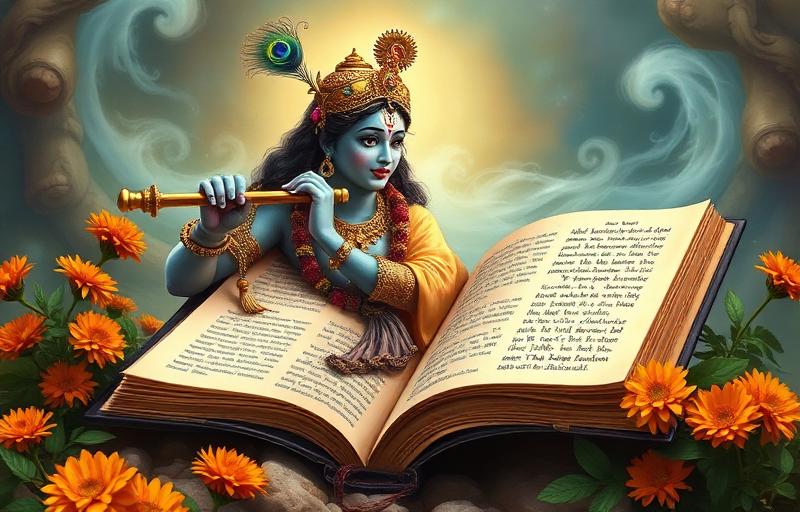
A beginner does not need to learn a long, complex stotra on day one. Tradition offers several short, accessible mantras that carry real devotional weight on their own.
- Om Krim Kalikayai Namah: This is Kali's beej (seed) mantra combined with her name, widely considered the simplest and most complete entry point. "Krim" is her beej akshar, said to directly invoke her energy, and this short phrase is safe and appropriate for any beginner to chant.
- Om Kalikayai Namah: An even shorter variant for those who want to start smaller, still carrying the same devotional intent.
- "Jai Kali Maa" or "Jai Ma Kali": Not a Sanskrit mantra in the formal sense, but a widely used devotional exclamation, especially popular in Bengal, appropriate for daily use and for children learning to participate in family worship.
A simple way to begin: chant Om Krim Kalikayai Namah eleven or twenty-one times each morning, using your fingers to count if a japmala (prayer beads) is not yet available. There is no requirement to chant 108 times or use a mala from the very first day; consistency at a small number matters more than intensity at an unsustainable one.
A note on beej mantras generally: some traditional teachers recommend learning beej mantras from a guru for advanced tantric practice, but the simple devotional use of Krim in the context above, as part of a respectful daily namaskar, is considered safe and widely practiced by ordinary householders across Eastern India without any special initiation. If you later want to go deeper into structured sadhana, seeking guidance from a knowledgeable elder or teacher is the traditional next step, but it is not a prerequisite for starting simple, sincere daily worship today.
A Simple Daily Ritual to Follow
Once the altar and a mantra are ready, a beginner needs a simple, repeatable structure rather than a complicated ritual borrowed from advanced tantric practice. Here is a version many households actually use:
1. Wash your hands and face (a full bath is traditional but not mandatory on busy days) before approaching the altar. 2. Light the diya and, if available, a stick of incense such as sandalwood or dhoop. 3. Offer water in the small bowl, a gesture of welcome, and a fresh flower if one is available. 4. Chant your chosen mantra, Om Krim Kalikayai Namah is a good default, for a comfortable count, starting at 11. 5. Speak simply, in your own words, about what is troubling you or what you are grateful for. Kali worship has a strong tradition of direct, conversational address rather than only formal Sanskrit recitation; Ramakrishna's own prayers to her were often spoken plainly, like a child to a mother. 6. Close with a bow and let the diya burn out naturally if safe to do so, or extinguish it respectfully.
Tuesdays and Saturdays, and especially the new moon night (Amavasya), are traditionally considered auspicious for Kali worship, with Kali Puja itself falling on Diwali's Amavasya in the Bengali calendar. A beginner does not need to wait for these days to start, but may choose to mark them with a slightly longer session, an extra round of mantra or a special offering like sweets.
This daily five-to-ten-minute structure is enough to build a genuine, sustainable relationship with Kali without needing to master anything elaborate first.
Common Beginner Mistakes and Reassurances
A few reassurances address the concerns beginners raise most often when starting Kali worship.
"Will worshipping Kali attract negative energy?" This is one of the most common fears, usually rooted in the imagery rather than the tradition. Kali is worshipped precisely to remove negativity, fear and obstacles, not to invite them. Sincere, respectful worship of any Devi form, including Kali, is considered protective, not risky, across mainstream Shakta tradition.
"Do I need a guru or initiation to start?" No. Simple namaskar-style worship, a mantra, a diya, a few minutes of sincere attention, requires no formal initiation. Deeper tantric sadhana practices do traditionally involve a guru, but that is a separate, advanced path that a beginner can consider later, if ever, not a prerequisite for beginning today.
"Is it disrespectful to worship her without knowing much yet?" No tradition asks for scholarly completeness before devotion; bhakti (devotion) is explicitly understood as something that deepens understanding over time, not something that requires it upfront. Elders and saints across Hindu tradition, including Ramakrishna himself, describe their relationship with Kali growing over decades, not arriving fully formed.
"What if I make a mistake in the ritual?" Minor errors, a mispronounced word, a skipped step, are not considered offensive when the underlying intention is sincere. This is a consistent teaching across Hindu devotional practice generally, not specific to Kali.
A genuine caution worth naming: avoid sensationalized or fear-based content about Kali circulating online that emphasizes shock value over her actual theological meaning; it misleads more than it informs, and it is the single biggest reason new devotees feel unnecessary apprehension in the first place. Reliable temple literature, respected elders and grounded sources like this guide are a better foundation to build from.
Reader Questions Answered
Is it safe for a beginner to worship Maa Kali at home?+
Yes. Simple, sincere worship with a mantra like Om Krim Kalikayai Namah, a diya and a flower offering is a safe, widely practiced form of devotion that requires no special initiation or advanced knowledge to begin.
Why does Kali look so fierce compared to other goddesses?+
Her fierce imagery is symbolic. Her dark form represents infinite, formless reality, the skulls are read as letters of the Sanskrit alphabet, and her extended tongue marks a moment of self-restraint, together depicting the destruction of ego and fear rather than actual violence.
What is the easiest Kali mantra for a beginner to start with?+
Om Krim Kalikayai Namah is the most commonly recommended starting mantra. It combines her beej akshar Krim with her name and namaskar, and is considered safe and appropriate for daily use without formal initiation.
Which day is best for Kali worship?+
Tuesdays, Saturdays and Amavasya (new moon night) are traditionally considered especially auspicious, with Kali Puja itself celebrated on Diwali's Amavasya in the Bengali calendar, though daily worship is welcomed on any day.
Do I need a guru's permission before worshipping Kali?+
No, not for simple, sincere home worship. A guru becomes relevant if you later pursue advanced tantric sadhana, but ordinary daily devotion with a mantra and diya requires no initiation and is practiced by householders across Eastern India without one.
About the author
Dr. Suresh Iyer · Vastu Shastra & Jyotish, 18+ years
Dr. Suresh has practiced traditional Vastu and basic Vedic Jyotish for over 18 years across South India. He contributes the Vastu, direction, and home-puja layout guides on Vandnaa.
Meet the Vandnaa editorial team →