What Is the Kali Beej Mantra Krim
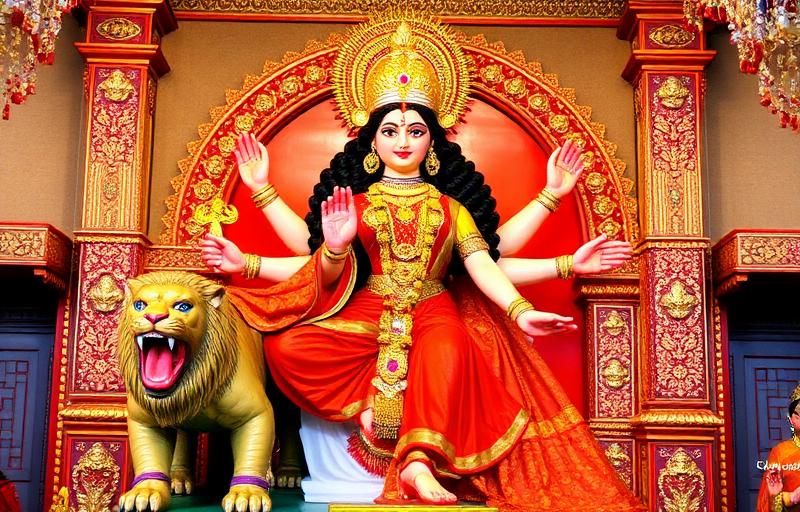
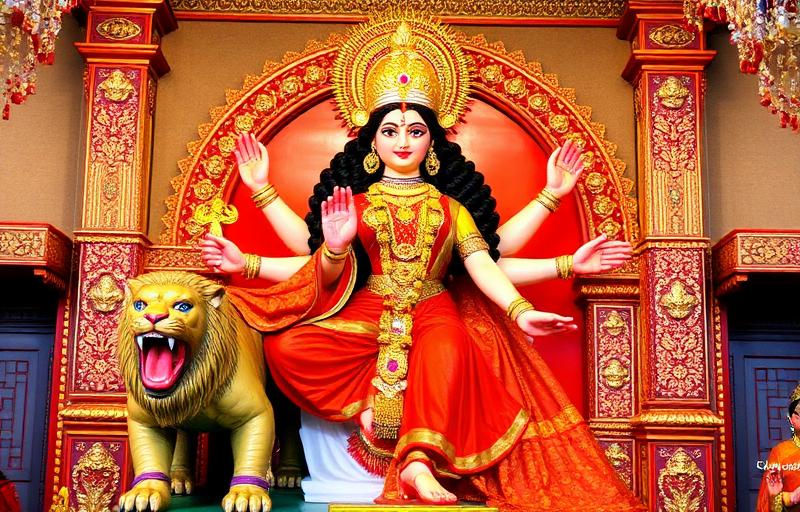
Krim is honoured in Shakta and tantric tradition as the beej mantra of Goddess Kali, the fierce and protective form of the Divine Mother who is believed to destroy ignorance, fear and negativity. Devotees chant its complete form as Om Krim Kalikayai Namah, meaning 'salutations to Mother Kali, who is invoked through the sound Krim'.
Krim is counted among the most powerful beejas in Devi worship, understood not as a sound of fear but as one of fierce, protective love, the kind of strength a mother calls upon to shield her children.
Scriptural Origin and Tradition
Kali's worship and this beej are rooted in Shakta tantric texts and in the broader tradition of the Devi Mahatmya, which describes the Divine Mother taking fierce forms to protect dharma when other measures fail. Krim is counted among the Dus Mahavidya beejas, the seed sounds linked to the ten great wisdom forms of the Goddess.
Over generations, this mantra has been chanted with particular devotion in Bengal, Assam and across Shakta traditions of eastern India, especially during Kali Puja on Diwali night and during Navratri.
The Meaning Held Within the Sound
Tradition explains Krim as combining the energy of action and time, reflecting Kali's own name, which is linked to Kaal, meaning time itself, the force that eventually dissolves all things. The sound is understood to carry both destruction of negativity and the deep compassion of a mother who removes what threatens her child.
The closing bindu again points to her boundless, formless nature, present within and beyond every fierce or gentle form she takes.
How and When Devotees Chant Krim
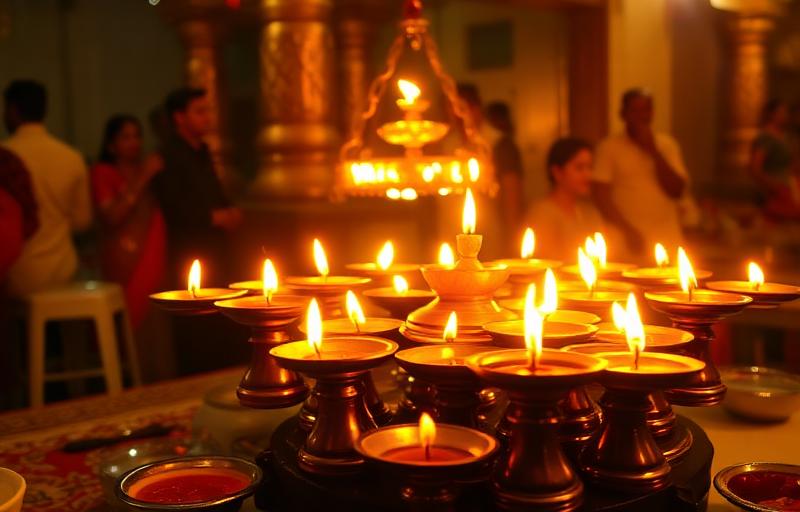
Om Krim Kalikayai Namah is traditionally chanted during the quiet hours of early morning or late night, often facing south, the direction associated with Kali in tantric worship. It is chanted with particular devotion during Kali Puja, Navratri and on Amavasya, the new moon night.
- A rudraksha mala is commonly used, with 108 repetitions per sitting
- Many devotees first offer a red flower or hibiscus before beginning the chant
- Because of its intensity, elders often advise learning correct pronunciation from a knowledgeable guide
- Some devotees pair it with the Kali Chalisa or Shyama Sangeet devotional songs
Benefits as Per Tradition
As per tradition, chanting Krim with sincerity is believed to grant courage in the face of fear, protection from ill will, and the inner strength to release habits and thoughts that no longer serve growth. Devotees believe Kali's grace works like fire, burning away what is unnecessary so what is true can remain.
It is also associated with resilience during difficult transitions, many devotees turning to this beej not for comfort alone but for the courage to face change directly.
A Practice Rooted in Respect
Because Krim carries such intensity, tradition advises approaching it with humility and steady practice rather than haste, ideally with guidance from someone experienced in Devi worship. Even a short, sincere chant is considered meaningful when offered with genuine reverence.
As with all mantra practice, chanting Krim is an act of faith and love, not a transaction, a reminder that the Divine Mother's fierce form exists only to protect, never to frighten those who approach her with an honest heart.
Reader Questions Answered
What does the Kali beej mantra Krim mean?+
Krim is considered the seed sound of Goddess Kali, linked to Kaal or time, the force that dissolves all things. It is chanted as Om Krim Kalikayai Namah to invoke her protective strength and the destruction of negativity.
Is it safe for beginners to chant the Kali beej mantra?+
Devotees can chant it with sincerity, though tradition recommends learning correct pronunciation and approach from someone experienced in Devi worship, given the intensity associated with this mantra.
When is the Krim mantra traditionally chanted?+
It is commonly chanted during Kali Puja, Navratri and Amavasya nights, as well as in quiet early morning hours, often facing south with a rudraksha mala.
About the author
Acharya Vinaya Kapoor · M.A. Sanskrit, Mantra & Stotra Studies
Acharya Vinaya holds an M.A. in Sanskrit from Banaras Hindu University and writes the mantra and stotra commentary on Vandnaa. Her focus is on accurate pronunciation, traditional context, and helping modern readers connect with classical texts.
Meet the Vandnaa editorial team →