Who is Worshipped at Kalkaji Mandir
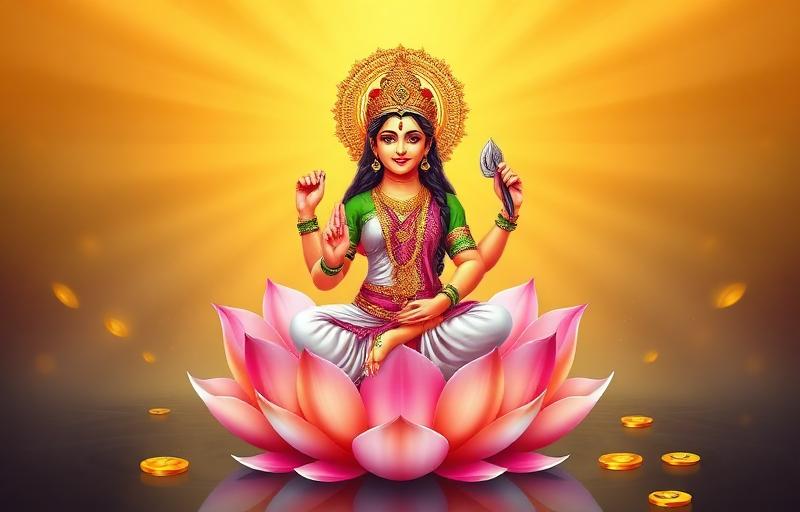
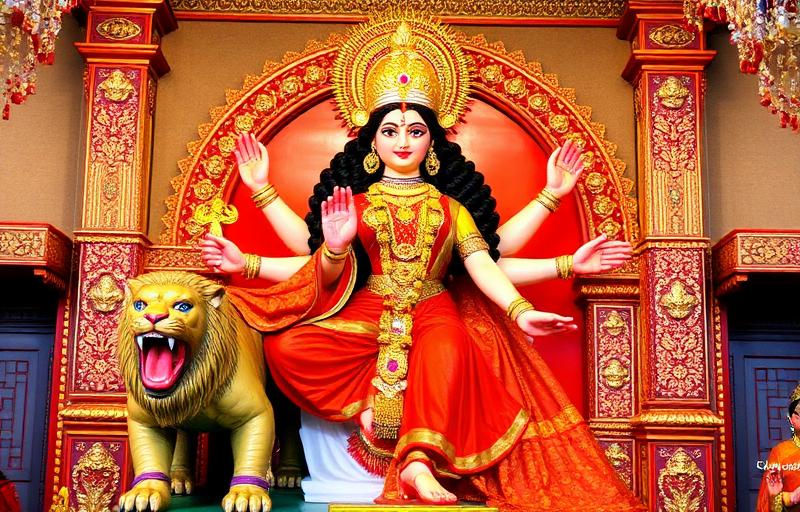
In the heart of Delhi, near Nehru Place, stands the ancient Kalkaji Mandir, dedicated to Goddess Kali in her form as Kalka. The deity here is not a crafted idol but a self-manifested (swayambhu) black stone form, considered especially sacred by devotees.
The temple is among Delhi's oldest living places of Devi worship, drawing steady crowds of devotees throughout the year, with numbers swelling during Navratri.
History and Katha of Kalkaji
According to tradition, the site is associated with ancient times and is believed by some devotees to be linked to the era of the Mahabharata, though the present temple structure has been rebuilt and expanded over centuries. The goddess is said to have appeared here on her own, without human carving, which devotees regard as a sign of her direct presence.
Over generations, the temple has been renovated and cared for by devotees and trusts, growing into the busy pilgrimage site it is today while retaining its ancient sanctum.
Significance and Devotee Beliefs
Devotees visit Kalkaji seeking the removal of obstacles, protection from difficulties and the fulfilment of sincere wishes. Kali is worshipped here as a compassionate mother rather than only a fierce form, and devotees often describe a sense of deep peace after darshan.
The temple is especially crowded during Navratri, when devotees observe fasts and offer special prayers, red chunris and sweets to the goddess.
Darshan Guide and Timings Pattern
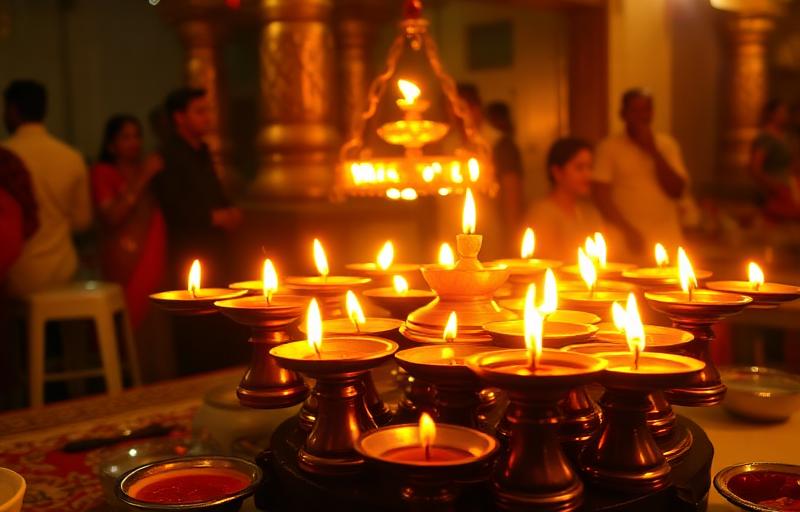
Kalkaji Mandir typically opens early in the morning and closes late at night, with aarti performed at set times through the day. Navratri and Kali Puja are the busiest periods, when the temple remains open longer to accommodate devotees.
As with any major city temple, it is wise to check current timings before visiting, especially around festivals.
How to Reach Kalkaji Mandir
The temple is well connected by Delhi Metro, with Kalkaji Mandir station on the Violet and Magenta lines located right next to the shrine. It is also easily reached by road from anywhere in Delhi NCR.
Delhi's airport and major railway stations connect the city to the rest of India, making the temple accessible for pilgrims travelling from afar.
Mantra to Chant and Takeaway
Devotees often chant Om Kalikayai Namah or Om Krim Kalikayai Namah while seeking the goddess's blessings at Kalkaji.
The enduring presence of this self-manifested form in the middle of a bustling city reminds devotees that the divine can be found even amid modern life, and that true worship is an act of faith and love, not a transaction.
What People Ask Most
Is there an idol at Kalkaji Mandir?+
No, the goddess is worshipped in a self-manifested (swayambhu) stone form rather than a carved idol.
When is the best time to visit Kalkaji Mandir?+
Navratri is considered especially auspicious, though the temple welcomes devotees throughout the year.
How is Kalkaji Mandir connected to Delhi Metro?+
The temple sits right next to Kalkaji Mandir metro station on the Violet and Magenta lines, making it very easy to reach.
About the author
Pandit Mahesh Trivedi · Festival Traditions & Panchang
Pandit Mahesh leads the festival-date and Panchang content on Vandnaa. He cross-references multiple regional panchangs (Drik, Vaishnava, Bengali, Marathi) for every festival date published on the site.
Meet the Vandnaa editorial team →