Who Is Kamala Mahavidya
Kamala, also known as Kamalatmika, is the tenth and final of the Dasha Mahavidya. She is the tantric form of Goddess Lakshmi, the supreme giver of wealth, beauty, abundance and well-being. Her name comes from kamala, the lotus - the flower of purity, prosperity and spiritual unfolding. While Lakshmi is widely worshipped in homes, Kamala represents the same grace in its deeper, more inward Mahavidya aspect, uniting material prosperity with spiritual fulfilment.
Iconography of Kamala
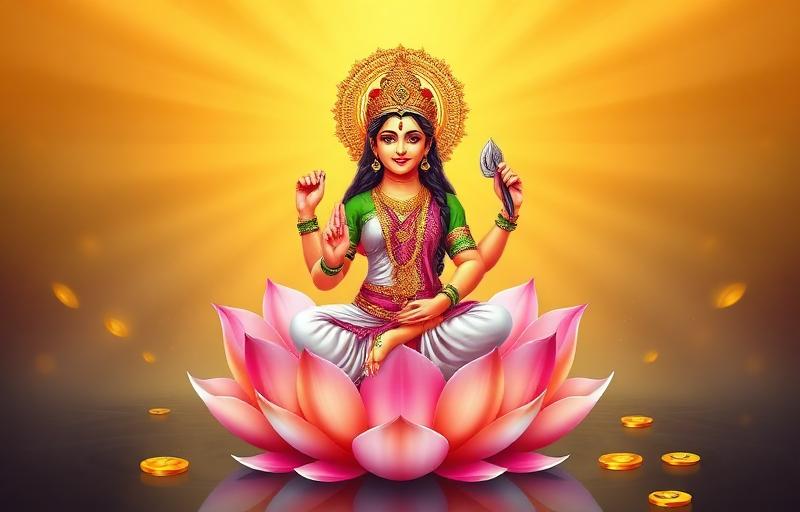
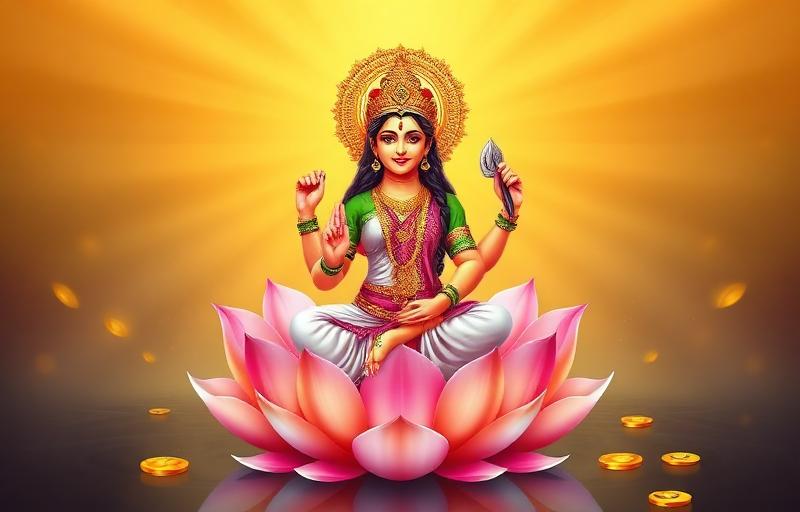
Kamala is depicted with a radiant golden complexion, seated upon a fully bloomed lotus, holding lotuses in two hands while the other two bestow blessings and grant fearlessness. She is often shown being bathed by four elephants pouring water from golden pots, a classic image of Gaja Lakshmi symbolising royal abundance and divine grace. Every element - the lotus, the gold, the elephants - speaks of purity, prosperity and the ever-flowing generosity of the Divine Mother.
What Kamala Grants
Kamala is invoked for blessings of wealth, prosperity, beauty, fertility, harmony and overall well-being. Unlike fleeting fortune, she grants prosperity that is stable, righteous and accompanied by inner contentment.
- Steady financial growth and freedom from poverty
- Harmony, health and happiness in the home
- Beauty, grace and an auspicious life
- The wisdom to enjoy wealth without greed or attachment
Kamala Beej Mantra
The principal mantra of Kamala invokes the abundant grace of Lakshmi:
Om Shreem Hreem Kamale Kamalalaye Praseed Praseed Om Shreem Hreem Shree Kamala Devyai Namah
A shorter form often recited is:
Om Shreem Hreem Kleem Kamalavasinyai Swaha
The beej 'Shreem' is the seed of Lakshmi and abundance, while 'Hreem' invokes the power of the Divine Mother. Chanted with devotion, this mantra is believed to attract prosperity that is wholesome and lasting.
A Note on Worship and Guru Guidance
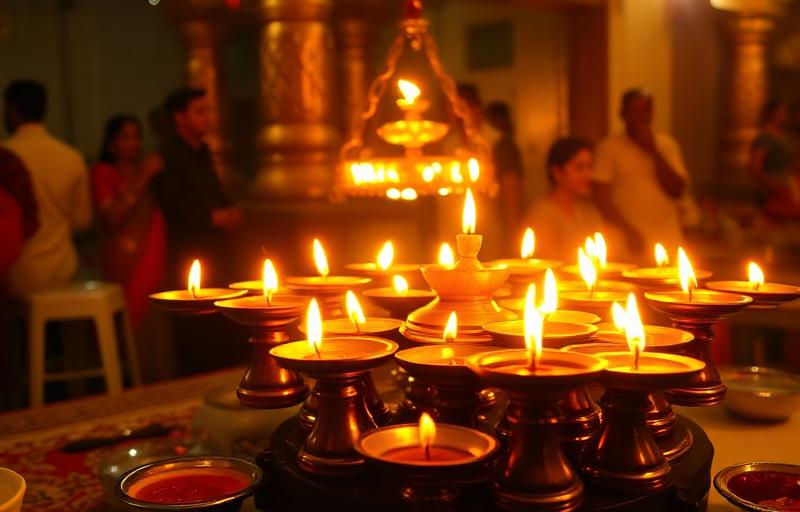
As a Mahavidya, Kamala has both a gentle household aspect and a deeper tantric one. Simple worship is easy and accessible: offer her lotus or red flowers, light a ghee lamp, and chant her mantra, especially on Fridays and during Diwali, the most auspicious times for Lakshmi. The more advanced Sri Vidya and tantric practices linked to Kamala should be undertaken only under the guidance of a qualified guru, with humility and a sense of gratitude rather than mere desire for gain.
Significance Among the Mahavidya
Kamala teaches that material abundance and spiritual grace need not be opposed. As the lotus blooms in muddy water yet remains untouched by it, she shows the devotee how to live amid wealth and the world without being trapped by greed. By worshipping Kamala, devotees seek not just riches but the inner balance to use prosperity for good, supporting family, dharma and charity, and recognising the Divine Mother as the true source of every blessing.
Best Times to Worship Kamala
Fridays are dear to Lakshmi and Kamala, and Diwali, Sharad Purnima and Akshaya Tritiya are among the most auspicious days for her worship. Early morning and the evening lamp-lighting hour are ideal. Keeping the home and especially the pooja and money areas clean, lighting a lamp daily and offering fresh flowers are simple ways to invite and sustain her grace throughout the year.
Reader Questions Answered
Who is Kamala Mahavidya?+
Kamala, also called Kamalatmika, is the tenth and final of the Dasha Mahavidya. She is the tantric form of Goddess Lakshmi, the supreme giver of wealth, beauty, abundance and well-being.
How is Kamala different from Lakshmi?+
Kamala is the same grace as Lakshmi but in her deeper, more inward Mahavidya aspect. She unites material prosperity with spiritual fulfilment within the tantric tradition.
What is the Kamala mantra?+
A principal mantra is 'Om Shreem Hreem Kamale Kamalalaye Praseed Praseed Om Shreem Hreem Shree Kamala Devyai Namah'. The beej 'Shreem' is the seed of Lakshmi and abundance.
What does Kamala Mata bless devotees with?+
She blesses devotees with wealth, prosperity, beauty, fertility, harmony and well-being - prosperity that is stable, righteous and accompanied by inner contentment.
Which day is best to worship Kamala?+
Fridays are dear to Kamala, and Diwali, Sharad Purnima and Akshaya Tritiya are among the most auspicious days. Early morning and the evening lamp hour are ideal.
Do I need a guru to worship Kamala?+
Simple worship with lotus or red flowers, a lamp and her mantra needs no special initiation. Advanced Sri Vidya and tantric practices should be undertaken only under a qualified guru's guidance.
About the author
Acharya Vinaya Kapoor · M.A. Sanskrit, Mantra & Stotra Studies
Acharya Vinaya holds an M.A. in Sanskrit from Banaras Hindu University and writes the mantra and stotra commentary on Vandnaa. Her focus is on accurate pronunciation, traditional context, and helping modern readers connect with classical texts.
Meet the Vandnaa editorial team →Explore on Vandnaa
Related Articles
Matangi Mata - Mantra & Significance
8 min read
Tripura Sundari (Lalita) - Significance & Mantra
9 min read
Bhairavi Mahavidya - Significance & Mantra
8 min read
Lakshmi Aarti Lyrics – Om Jai Lakshmi Mata (लक्ष्मी आरती)
8 min read
Lakshmi Chalisa - Lyrics, Meaning, Benefits & Jap Vidhi
9 min read

Panchamrit - Meaning, 5 Ingredients, Significance & Puja Vidhi
8 min read