The Goddess of Indrakeeladri
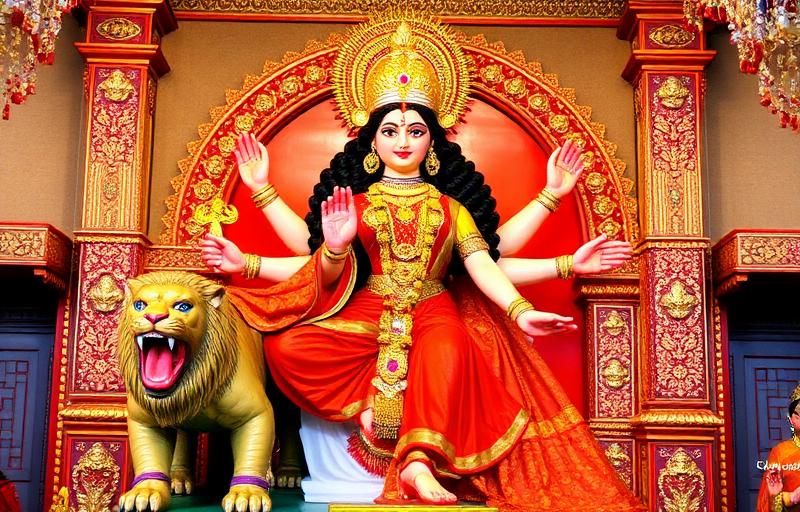
The Kanaka Durga Temple stands on Indrakeeladri hill on the northern bank of the Krishna river in Vijayawada, Andhra Pradesh, one of the most visited Shakti shrines in South India. The presiding deity, Kanaka Durga, is worshipped as Swayambhu, a self-manifested form of the goddess who devotees believe chose to reside on this hill herself.
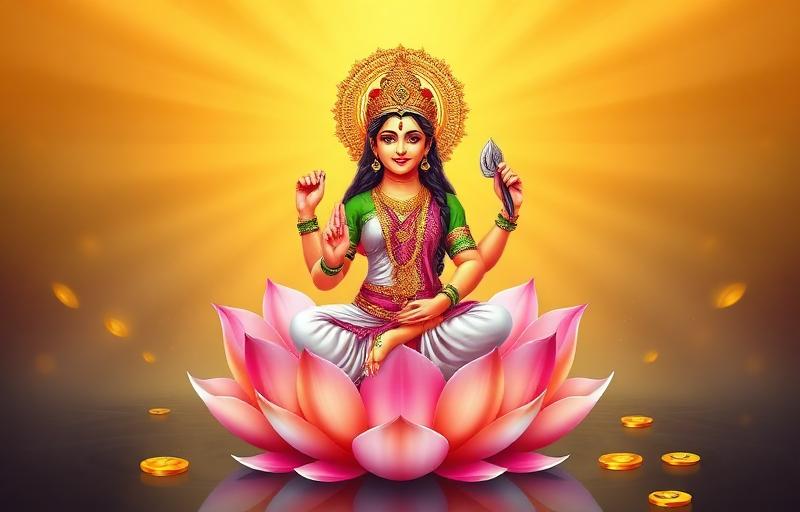
She is depicted with eight arms, each carrying a weapon, standing in her fierce yet motherly form as protector of the region. Every day sees a steady stream of pilgrims climbing the ghat steps or taking the road up the hill, and the temple has grown from a modest hill shrine into one of Andhra Pradesh's grandest Devi temples, with the Krishna river flowing at its feet adding to its sanctity.
History and Katha
According to tradition, the hill takes its name Indrakeeladri from Indra, who is said to have performed penance here. The most cherished katha connects this hill to the battle between the goddess Durga and the demon Mahishasura, the same legend celebrated across the country during Navratri.
Devotees believe the goddess rested here after her victory and chose to stay on, blessing the land with her presence. Local tradition also holds that the great sage Adi Shankaracharya visited this shrine and installed a Sri Chakra here, further sanctifying the temple. Over centuries, the shrine grew from a small hill-top sanctum into a major pilgrimage centre, patronised and rebuilt over generations, always keeping the goddess of the hill at its heart.
Significance and What Devotees Pray For
Devotees come to Kanaka Durga seeking her blessings for courage, protection from difficulties, and the removal of obstacles in family and work life. As a form of Shakti, she is approached as the mother who both nurtures and defends, and many devotees consider a visit here essential to their spiritual life, especially before starting something new.
Newly married couples, students beginning studies, and families seeking wellbeing all find their way up Indrakeeladri hill. The temple is especially significant during Navratri, when the goddess is worshipped in her different forms across nine days, culminating in a grand celebration on Vijayadashami. It is said that sincere devotion here, offered without expectation, is what truly pleases the goddess.
Darshan Guide and Festivals
The temple follows a daily pattern of early morning opening, several aarti and abhishekam rituals through the day, and a closing at night, though pilgrims are advised to check current timings before travelling since these can change with the season and festival calendar. The best time to visit is generally considered to be early morning to avoid the crowds and the Andhra heat.
Navratri is by far the grandest occasion here, when the hill comes alive with lights, music and the famous Teppotsavam, the float festival held on the Krishna river where the goddess's idol is taken out for a boat procession. Vijayadashami and other important Hindu festivals through the year also see special decorations and larger than usual crowds.
How to Reach
Vijayawada is a major city in Andhra Pradesh, well connected by rail and air, with Vijayawada Junction being one of the busiest railway stations in South India and Vijayawada Airport offering regular domestic flights. The temple on Indrakeeladri hill is close to the city centre, easily reached by road, and pilgrims can either climb the ghat steps or drive up to the hill top.
Being on the banks of the Krishna river, the temple is also often combined with a visit to the nearby Prakasam Barrage. Devotees travelling from Hyderabad, Chennai and other South Indian cities find Vijayawada a convenient stop, and many combine this darshan with other pilgrimage sites in the region.
Mantra and Takeaway
Devotees visiting Kanaka Durga often chant the simple invocation "Om Durgayai Namah" (Salutations to Goddess Durga), or the more elaborate "Sarvamangala Mangalye Shive Sarvartha Sadhike, Sharanye Trayambake Gauri Narayani Namostute", a verse from the Devi Mahatmya meaning "O auspicious one who fulfils all purposes, refuge of all, we bow to you."
Many devotees also simply sit in silence before the sanctum, letting the atmosphere of the hill temple settle their mind. The story of Kanaka Durga on Indrakeeladri is a reminder that the divine mother resides wherever true devotion calls her. As with every temple visit, worship here is best understood as an act of faith and love, not a transaction.
Common Questions From Devotees
What is the significance of Indrakeeladri hill?+
According to tradition, the hill is named after Indra, who is believed to have performed penance here, and it is where the goddess Kanaka Durga is said to have chosen to reside after her victory over Mahishasura.
When is the best time to visit Kanaka Durga Temple?+
Early mornings are generally preferred to avoid crowds, and Navratri is considered the most auspicious and festive time to visit, when the temple hosts special celebrations including the Teppotsavam boat festival.
Is Kanaka Durga Temple connected to Navratri celebrations?+
Yes, Navratri is celebrated here on a grand scale with the goddess worshipped in her various forms over nine days, drawing enormous crowds especially in the final days leading to Vijayadashami.
About the author
Pandit Mahesh Trivedi · Festival Traditions & Panchang
Pandit Mahesh leads the festival-date and Panchang content on Vandnaa. He cross-references multiple regional panchangs (Drik, Vaishnava, Bengali, Marathi) for every festival date published on the site.
Meet the Vandnaa editorial team →