Who is the deity at Kankalitala
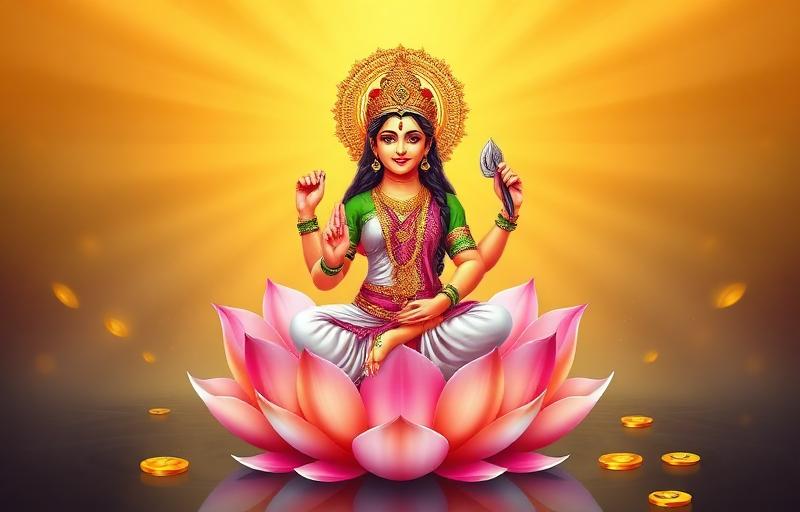
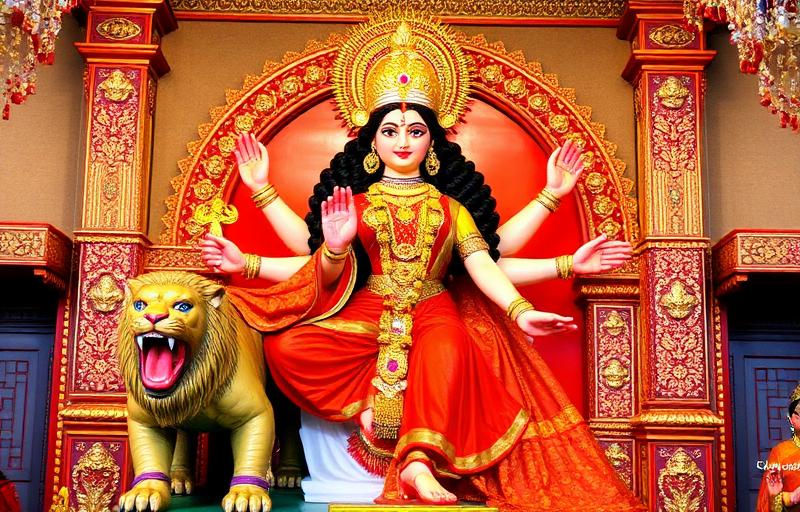
Along the banks of the gentle Kopai river in Birbhum district, near Santiniketan, lies Kankalitala, a Shakti Peetha where tradition holds that the spine, or kankal, of Sati fell. The goddess here is worshipped as Devgarbha, and the shrine is set in the kind of quiet, rural Bengal landscape that Rabindranath Tagore himself loved to wander.
The temple itself is modest, but the river ghat beside it, where devotees bathe before darshan, gives Kankalitala an atmosphere of gentle sanctity rather than grandeur.
History and katha
Like every Shakti Peetha, Kankalitala's origin lies in the story of Sati's sacrifice and Shiva's inconsolable grief, with Vishnu's chakra dividing her form so that her presence could bless many lands rather than be confined to one place of mourning. Bengali tradition holds Kankalitala among the peethas closely tied to the region's own soil and rivers.
Local legend also links the site to sage Kardama and to old tales of the Kopai's waters never running dry near the shrine, a detail devotees see as a quiet sign of the Mother's continuing presence.
Significance and what devotees pray for
Devotees come to Kankalitala for inner steadiness, since the spine in the human body is associated with support and strength, and pray here for resilience during difficult phases of life. The ritual bath at the river ghat before darshan is considered as important as the darshan itself.
- Devotees seek strength and steadiness during hardship
- The river ghat bath is treated as a purifying first step of the pilgrimage
- The shrine is often visited alongside nearby Santiniketan
Darshan guide
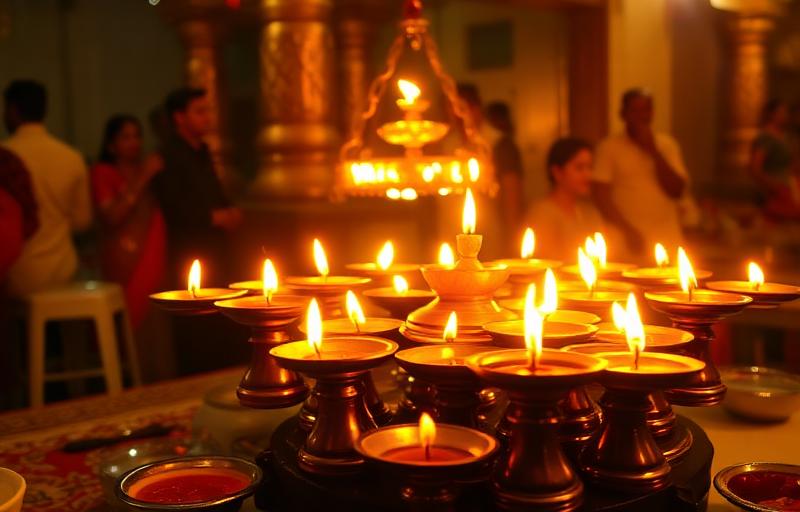
Morning and evening aarti follow the familiar Bengal Shakti Peetha rhythm here, and the temple is busiest during both Chaitra and Ashwin Navratri. Being close to Santiniketan, it also sees a steady flow of visitors during the Poush Mela season in winter, when many travelers extend their trip to include this shrine.
The unhurried village setting makes Kankalitala especially suited to devotees seeking a reflective, less crowded pilgrimage experience.
How to reach Kankalitala
Kankalitala is located a short distance from Bolpur, the railway town that serves Santiniketan, in Birbhum district. Bolpur is well connected by train to Kolkata's Howrah station, and the temple is easily reached by road from the Bolpur-Santiniketan area.
Most pilgrims visit Kankalitala as part of a wider Birbhum trip that includes Santiniketan and the nearby Tarapith Shakti Peetha.
Mantra to chant and the takeaway
At Kankalitala, devotees often whisper a simple prayer asking the Mother for the strength of spine, both literal and figurative, to stand firm through life's trials, alongside the general invocation Jaya Ma Kankaleshwari. The river beside the temple adds its own quiet rhythm to this prayer.
The lesson devotees carry away from Kankalitala is that true strength is quiet and steady, much like the Kopai flowing endlessly beside the Mother's seat, and that worship here is an act of faith and love, not a transaction.
Quick Answers
What part of Sati is associated with Kankalitala?+
Kankalitala in Birbhum, West Bengal, is the Shakti Peetha associated with the spine, or kankal, of Sati, and the goddess here is worshipped as Devgarbha.
Is Kankalitala near Santiniketan?+
Yes, Kankalitala is a short distance from Bolpur-Santiniketan, making it easy to combine both destinations in a single trip.
What ritual is important before darshan at Kankalitala?+
Devotees traditionally bathe at the river ghat beside the temple before darshan, treating it as a purifying first step of the pilgrimage.
About the author
Pandit Ravindra Sharma · Vedic Rituals & Bhakti, 22+ years
Pandit Ravindra is the Vandnaa editorial team's resident specialist on aarti, chalisa, and daily devotion. He has performed home and temple pujas across Varanasi and Delhi for over two decades and contributes the bhakti-focused articles on this site.
Meet the Vandnaa editorial team →